


Should You Run Google or Facebook Ads to Boost Profit?
Facebook and Google each have their own strengths and weaknesses. So to answer the question “Should you advertise on Google or Facebook?” you need to understand those differences through a comparison of Facebook and Google advertising. From there, you can work out which option is the right fit for your business.
How Does Google Advertising Work?
Google is not only the most popular search engine in the world, it is also the largest paid advertising platform today. Google advertising (Google Ads) is based on target keywords, combined with ad copy text.
When users type in a keyword to search, ads from brands using Google Ads appear on the SERP, above the regular search results. And if advertisers want to use popular keywords, they have to take part in an auction: whoever bids the highest gets to use that keyword.
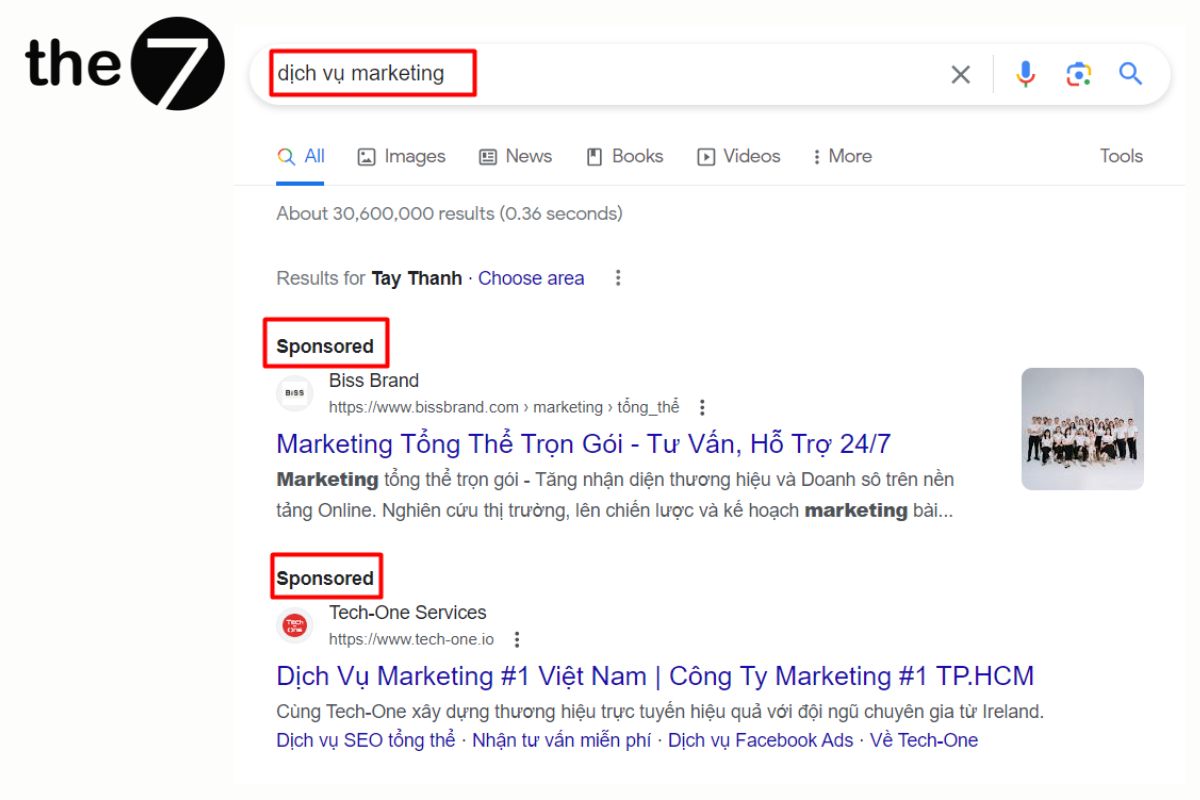
The usual billing model for Google advertising is PPC (Pay Per Click). That means every time a user clicks on your ad, Google charges you. In addition, Google constantly updates its algorithms and launches new ad formats to capture user needs and insights more accurately.
>>>> Explore The7’s services:
- Facebook advertising services in Ho Chi Minh City
How Does Facebook Advertising Work?
Facebook has more than 1.45 billion users and is a leading social network in businesses’ digital advertising campaigns. Unlike Google, which advertises through keywords, Facebook reaches customers through behavior, interests, and social media usage trends.

In addition, Facebook collects user data through the topics (or Facebook Pages) that people like or frequently engage with. Data such as age, location, and interests gives businesses insight into their customers. As a result, they can pinpoint their target customers more accurately and easily, and put their ads in front of the right audience.
That’s why whether to run Google or Facebook ads depends on your business goals. Google ads help you find new customers, while Facebook ads lead customers to find you.
Comparing the Strengths of Google Ads and Facebook Ads
Google Ads
A large reachable audience
Every second, Google processes more than 40,000 search queries. Each year, there are more than 1.2 trillion searches on the web. Google’s algorithms grow more sophisticated all the time thanks to its proprietary machine learning technology and artificial intelligence. As search volume rises, so does your ability to reach potential customers.
It’s fair to say that no search engine today can deliver as many potential customers as Google. It is sure to be a great fit for your digital marketing strategies. With search results becoming ever more accurate, it’s easy to see why Google Ads is increasingly popular and widely used around the world.
A focus on quality and relevance
Contrary to what many newcomers to Google Ads think, the advertiser with the bigger budget does not automatically get priority on Google. In fact, Google advertising today focuses mainly on the quality and relevance of the ad, not on how much money the advertiser spends.
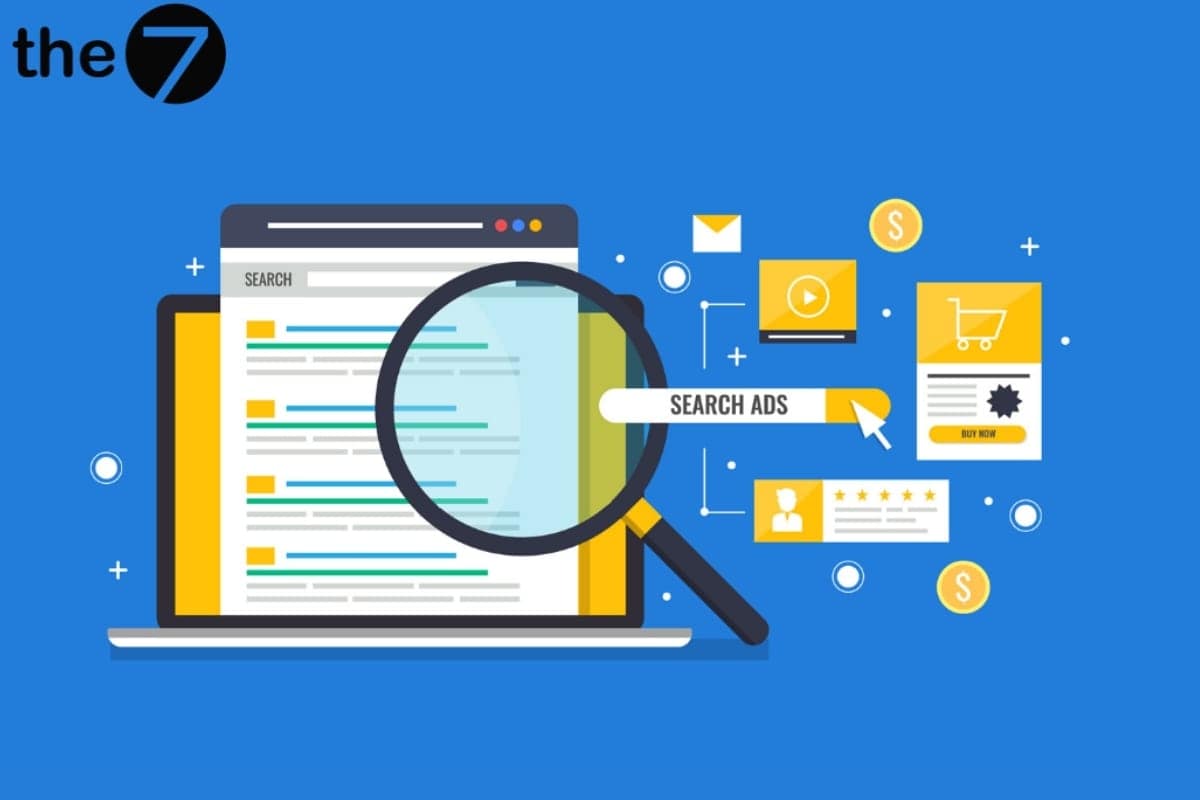
The quality and relevance of your ad determine how much you pay. Certain keywords also cost more than others. Google looks at several key metrics when evaluating ad quality and relevance. Click-through rate is one example, and it is a reliable indicator of how appealing and high-quality an ad is.
A variety of ad formats
Whatever your industry or customer, there is likely a feature or ad format that makes your products or services more appealing to your target market. Although Google ads are still text-based, you can take advantage of a number of standout features to make them more attractive to customers.
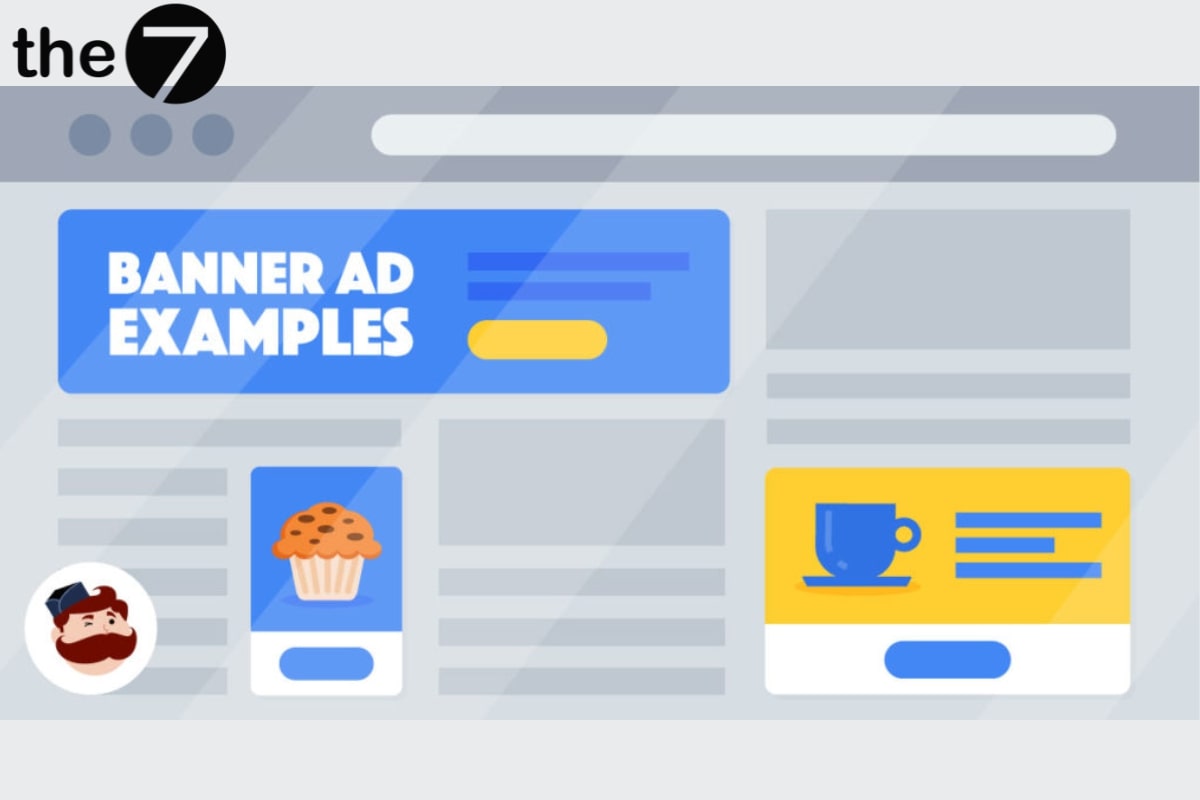
Some standout features Google supports for advertisers in its ad extensions group include callout extensions, call extensions, sitelinks, location targeting, structured snippets, and more.
A high conversion rate
Because Google users usually search for the information or products they need right now, Google ads deliver a higher conversion rate. As a result, businesses no longer have to spend as much time and effort reaching or promoting their products.
For example, when you want to buy a new item, instead of waiting for an ad to show up on your Facebook feed, you will certainly go to Google to look up information and find where the item is sold.
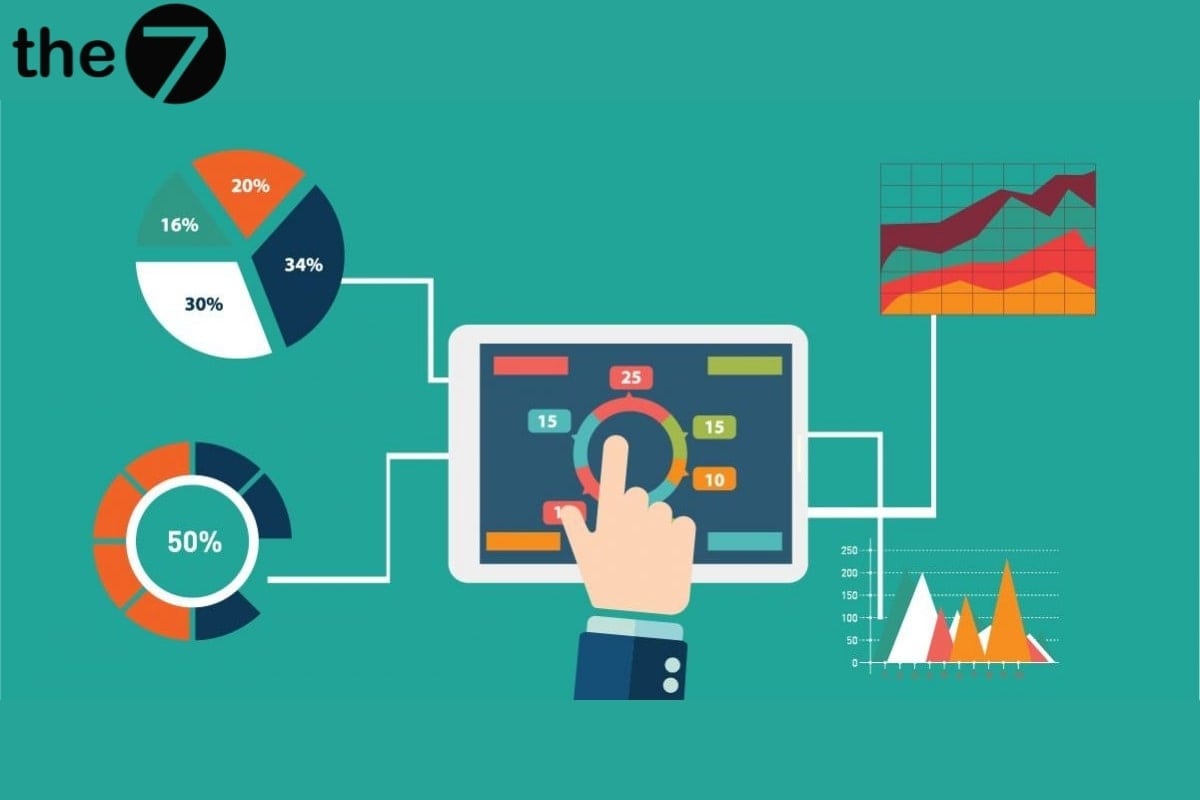
This paid advertising format from Google is also effective for the service industry. What defines this industry is that when customers have a need, they tend to search Google for businesses that provide the service. That’s why the conversion rate from Google Ads is also higher than from Facebook’s passive style of advertising.
Quality traffic growth
Google Ads is also a great channel for driving quality traffic to your landing page. Make sure this traffic is fully relevant to your business and advertising goals so your campaign performs as well as possible.
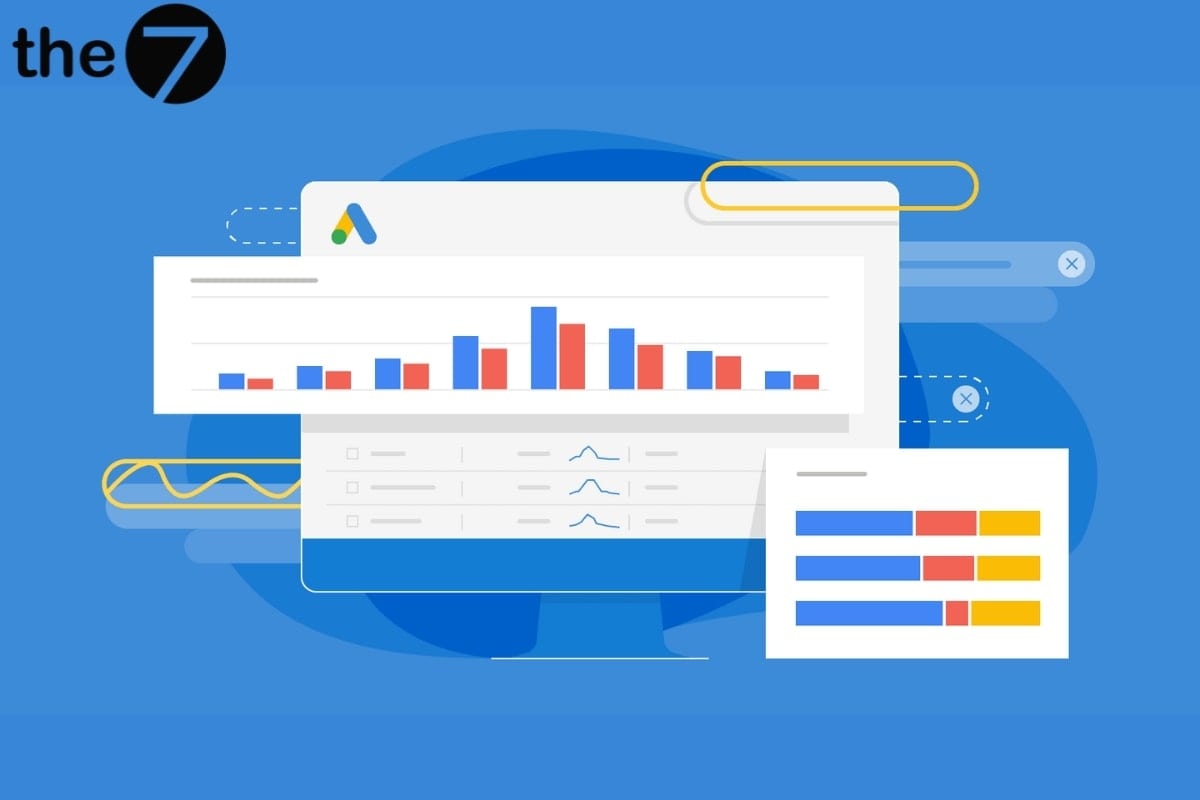
Some factors that are commonly measured include:
- Keywords: To make sure your ads reach the right target audience, regularly monitor and review your keyword set. These keywords should be closely related to the products and services you offer.
- Quality Score: A Quality Score is assigned to each keyword. It reflects the quality and relevance of your landing page to the user’s keyword, and it determines your ad rank and how much you have to spend.
- Click-through rate: This rate tells you whether your ad appeals to users. Click-through rate also influences your Quality Score, so adjust or remove ad creatives with a low rate.
- Conversion rate: This rate is calculated by dividing the total number of conversions by the number of clicks over the same period. It shows how many people clicked on your ad and converted on it.
Facebook Ads
Detailed audience targeting
Facebook’s real strength is the level of detail it has about its users. On Facebook today, almost every detail of life, from meeting friends and dating to getting married and having children, is shared by users. They also engage with content that matches their interests.
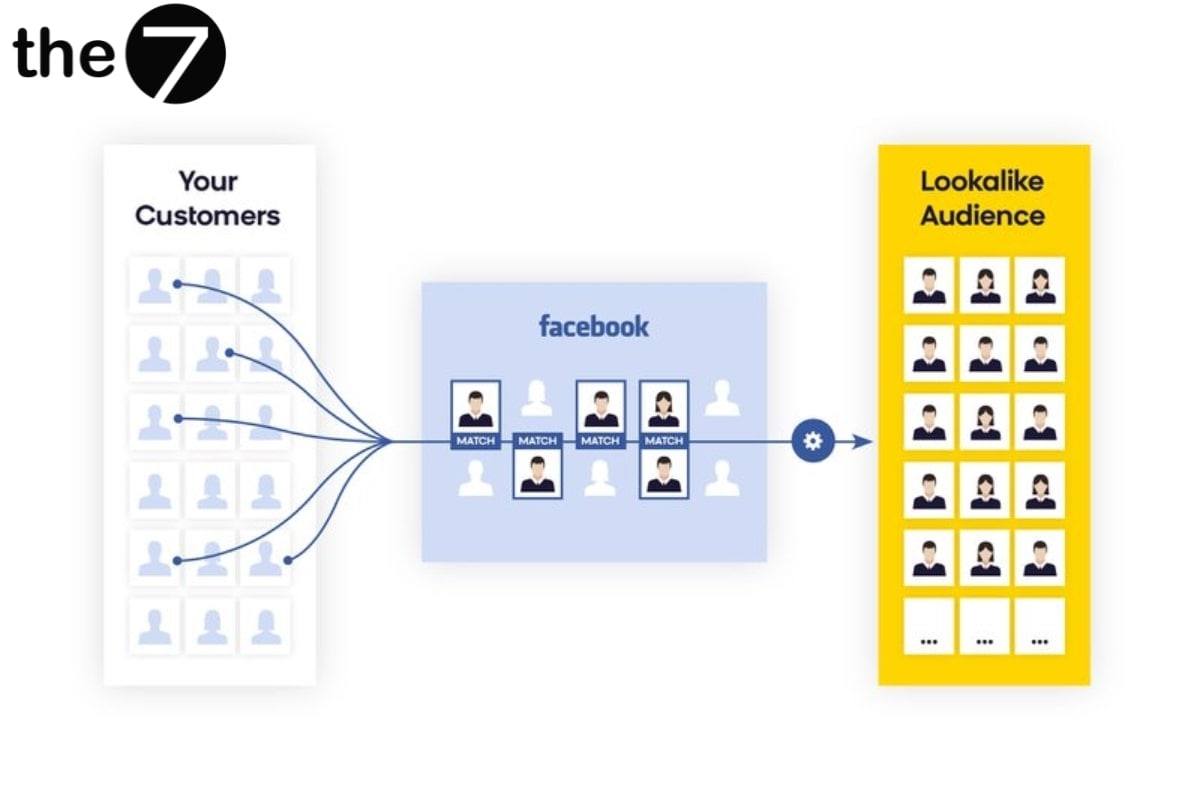
This gives advertisers opportunities to reach customers based on their behaviors and interests. Another advantage of Facebook is that advertisers can upload their customer data to the platform. From there, they can create audiences with behaviors and interests that match the customer data they already have.
A visual, dynamic ad platform
Facebook gives advertisers highly visual ways to present their ads, combining text with video, images, and other visual content. This dynamic approach encourages users to respond to and engage with your ads more, which also raises your chances of reaching potential customers.
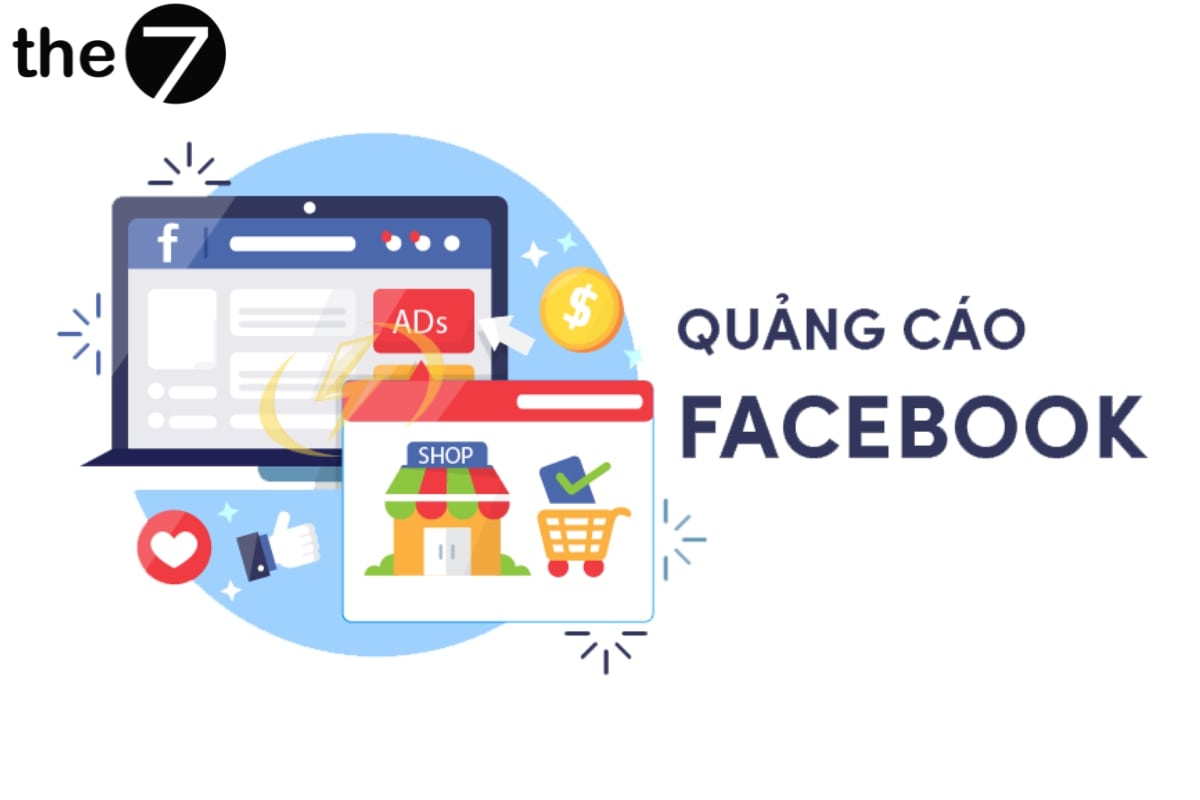
Day after day, Facebook also keeps testing and rolling out new features with different ways of presenting ads. This is why Facebook advertising is consistently rated as one of the most visual and dynamic ad platforms.
A high ROI
Beyond the tools Facebook provides for creating dynamic, attractive ads, the platform also surprises advertisers with a return on investment (ROI) on ad spend that ranks among the highest.
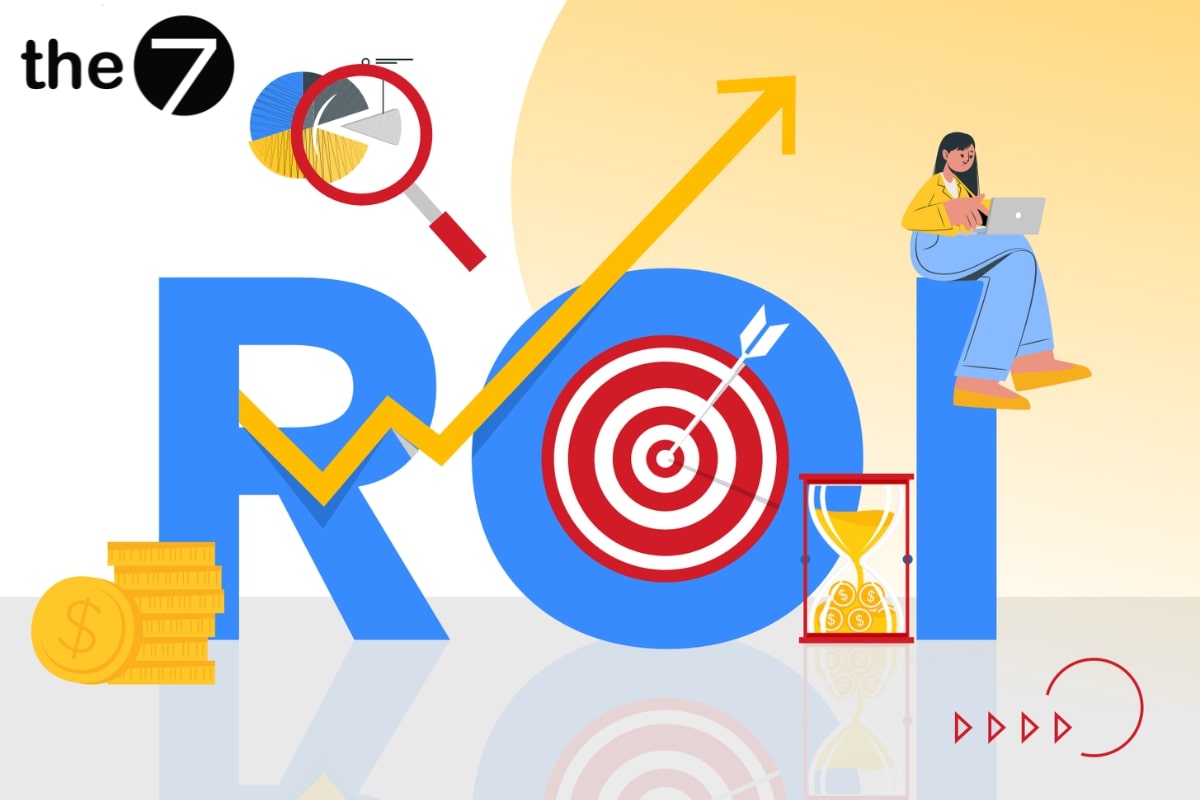
Your campaign budget may vary depending on factors such as scope, messaging, and overall campaign goals. But an impressive ROI is an attractive factor for small and medium-sized businesses with limited resources.
Comparing the Weaknesses of Google Ads and Facebook Ads
No form of advertising is perfect, Facebook and Google included. Here are some weaknesses of these two platforms.
Google Ads
Although Google Ads has no budget limit, competition and the resources required to run Google ads are extremely high: you have to update your landing page constantly, keep an eye on competitors, block bad signals from click fraudsters, and more. In addition, to run Google ads you need solid knowledge of marketing, CTAs, landing pages, and so on. So if you are self-taught with no experience, or an SME without a large budget, you should not invest too heavily in this form of advertising.
Facebook Ads
Facebook ads that keep showing up in users’ News Feed or Messenger can annoy them, and sometimes they will report the ad as spam. In addition, you have to wait 3 to 7 days before Facebook ads start producing results, because the platform’s algorithm needs time to target more precisely and effectively.
So Should You Run Google or Facebook Ads?
Google ads and Facebook ads are advertising formats with different purposes and benefits. Both platforms offer tools to promote your brand to millions of users at a reasonable cost. Whether to advertise on Google or Facebook depends on the advertiser’s goals, budget, and strategy.
Both platforms suit goals such as leads, sales, and consultations. If you need to increase brand awareness and want to build a social media following, use Facebook. When you want to sell directly or attract more potential customers, Google ads will be more effective. To make the choice easier, you can look at the following comparison table of Facebook and Google advertising:
| CRITERIA | FACEBOOK ADS | GOOGLE ADS |
| Number of users | 1.45 billion active daily | 3.5 billion queries/day |
| How it works | Reaches potential customers through users’ behaviors, interests, location, and more | Reaches potential customers by targeting the keywords users commonly search for |
| Ad placements | Facebook, Instagram, Audience Network, Messenger | Google Search, Google Play, YouTube, Display Network |
| Audience targeting | Behaviors, interests, characteristics, location, and more | Keywords, location, devices, characteristics, and more |
| Campaign goals |
|
|
| Who uses it | Both individuals and businesses | Usually businesses |
With their strengths and high performance, both Facebook and Google are excellent for digital marketing campaigns. With the information The7 has shared above, you should now be able to decide whether to advertise on Google or Facebook for your business. And whichever platform you choose, don’t forget to keep track of how well it performs!
If you are looking for online advertising services with competitive pricing and outstanding results, contact The7 at the hotline 0827386886 for a detailed consultation on this service.
You can also check out these related articles on Facebook Ads:
- A detailed guide to planning your Facebook ad campaigns in 2024
- How to sell on Facebook and earn hundreds of millions of VND in revenue as a beginner
- How to run Facebook ads effectively
- A roundup of 35 Facebook advertising terms every newbie must know

Nguyễn Đình
Bảo



As CEO of The7, I am committed to sharing practical, useful knowledge with every reader. Every article on The7 is based on my 7 years of hands-on experience in marketing — Facebook advertising, LinkedIn advertising, Google advertising, and marketing strategy. I hope you take away plenty of insight from these posts and apply it successfully in practice.
Related Articles

What Is Facebook Ads? Popular Types of Facebook Advertising
What is Facebook Ads? This is surely a question many people wonder about, especially those just starting to learn about Facebook advertising. Let’s explore Facebook Ads from A to Z...

26 Predictions for Social Media Marketing Trends in 2025
It’s that familiar time of year again, when experts and analysts start revealing their predictions for the social media marketing trends worth watching, along with the shifts that promise to...

How to Run Facebook Ads: 2024 Step-by-Step Guide
How can you run Facebook ads effectively, reach the right target customers, and generate valuable conversions? This is probably a question many Digital Marketers and business owners ask when promoting...

Requirements for Running Facebook Ads Successfully and Effectively
When you start your Facebook advertising journey, mastering the basics is the key to success. So what are the requirements for running Facebook ads exactly? Let’s begin exploring and optimizing...

The Most Detailed Guide to Creating a Facebook Ad Account in 2024
To run a campaign on Facebook, the first thing you can’t do without is an ad account. Below, The7 will walk you through how to create a Facebook ad account....

Facebook Video Ad Size: The Most Accurate Guide for 2024
Running video ads is becoming the go-to choice for many businesses. In this context, the Facebook video ad size plays a key role in determining how well your post performs....