


Growth Hacking and Growth Marketing
Since the early days of urban civilization, the idea of selling goods for profit has existed and played an important role in society, as businesses met the needs of consumers. This drove the evolution of how businesses operate, through trial and error, until they arrived at the modern business model.
Today, however, there are millions of businesses around the world, and that number is expected to keep growing as more and more people want to start businesses of their own.
In an increasingly fierce competitive landscape, deploying unique and effective digital marketing strategies is essential to stand out. It helps you attract customers, build an online presence and drive business growth.
Businesses of any size can have a significant impact on how society functions and help power a country’s economy. Growth is crucial, because it gives every company the ability to innovate and meet customers’ ever-increasing needs.
Without growth, every company could gradually cease to exist, leaving no source of income to support people’s livelihoods. To prevent that, business owners are adopting Growth Hacking and Growth Marketing.
WHAT IS THE DIFFERENCE BETWEEN GROWTH HACKING AND GROWTH MARKETING?
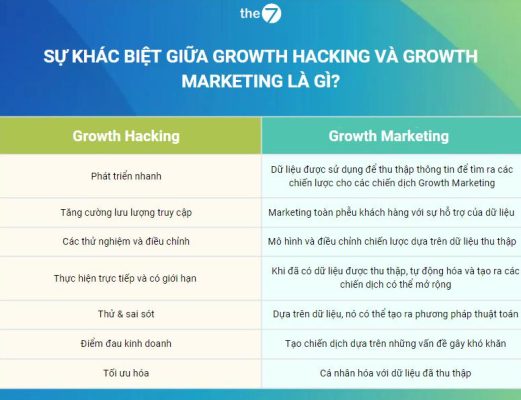
Growth hacking and growth marketing are both marketing strategies that help businesses grow, but they differ from each other, and marketers can use them to achieve their marketing goals.
Growth hacking focuses on creativity and innovation to make a product or service spread quickly and boost sales. This is usually done by applying creative ideas and unconventional methods to attract customers. Growth marketing, on the other hand, is a longer-term marketing strategy. It relies on specific statistics and analysis to verify the effectiveness of marketing actions and decisions.
Because growth hacking typically uses proven methods to create campaigns, it helps attract potential customers and persuade them to take actions such as sharing information about the business on social media. Growth marketing, meanwhile, focuses on researching and analyzing data to make decisions based on real figures.
Both strategies use the AARRR framework (Acquisition, Activation, Retention, Revenue, Referral) to help businesses better understand their marketing and growth process.
Here is a comparison of Growth Hacking and Growth Marketing:
What Is the AARRR Model?
The AARRR model in Growth Hacking and Growth Marketing, also known as “pirate metrics,” stands for Acquisition, Activation, Retention, Referral, and Revenue. It is a funnel model with specific metrics that help businesses track the customer journey.
- Acquisition – Turn viewers into customers and leads
- Activation – Help customers realize the value of your business
- Retention – Make sure customers keep taking action
- Referral – Encourage customers to recommend your business to others
- Revenue – Increase customer value
Although the AARRR model was proposed in 2007 by Dave McClure, many companies today use it to improve business performance and increase profits. By breaking the growth strategy into five stages and using specific metrics, business owners can better understand what they need to do to boost their results.
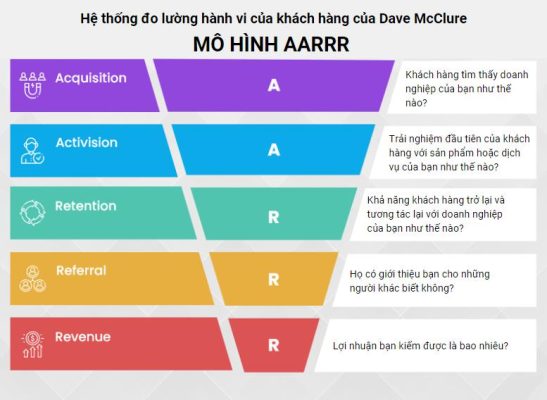
Thanks to the AARRR model’s simple way of charting the funnel, many businesses use it for both growth hacking and growth marketing. They integrate these strategies into the AARRR framework to help them grow and expand further.
What Is the Difference Between Growth Hacking and Growth Marketing?
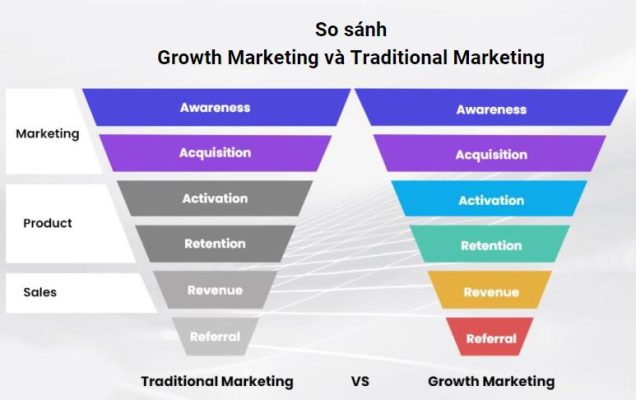
The Growth Marketing model, compared with Growth Hacking, can be seen as a modernized form of traditional marketing. The only difference is that it consistently focuses on all marketing goals, from brand awareness to customer loyalty.
To better understand the difference between the growth marketing framework and the traditional marketing framework, please see the chart below:
What Are the Growth Hacking and Growth Marketing Strategies?
4 Growth Hacking Strategies
1. Free Giveaways
In growth hacking, people’s love of free things is a powerful emotion that makes anyone want to have them. When businesses give away freebies, they spark a sense of appeal, especially when they offer potential customers free samples. A classic example is Pedigree, a dog food company, which let customers request a free sample of its food to try before buying.
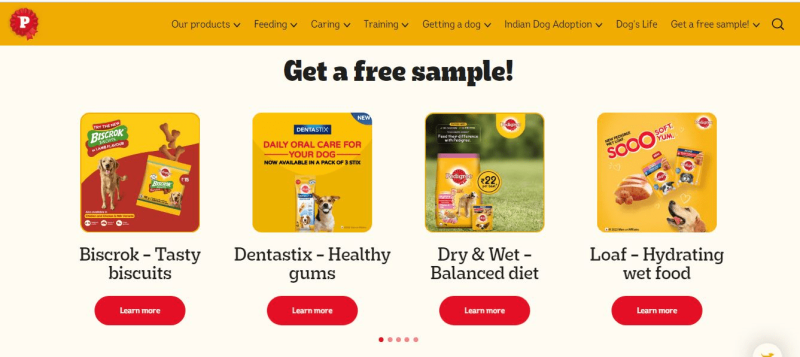
Consumer caution when making purchases, especially online, is an important aspect of their behavior. The rise in scams has made consumers more skeptical of the products and services brands offer, and they need to weigh many factors before deciding to buy.
Offering free samples on request also helps businesses create a first point of contact with potential customers. This growth strategy contributes to better customer relationships and a positive brand image. Ultimately, e-commerce brands and businesses that use this method will close more transactions, because many people have tried a free sample and will consider buying if they find the product worth the price.
2. Working With Influencers
Working with influencers is another growth strategy. Although they are not famous stars appearing in shows and movies, they can influence the public, especially younger generations.
Even with its firmly established position, Disney still partners with influencers to promote its OTT platform, Disney+. It worked with many influencers to showcase the different types of Disney+ viewers, attracting more people to subscribe and watch their favorite Disney shows.
3. Partnering With Other Companies
Besides partnering with influencers, businesses can also collaborate with other companies. Combining their customer bases can help boost excitement and sales. As a growth hacking example, in 2017, Louis Vuitton teamed up with Supreme and released a limited collection, leading hundreds of people to willingly camp out overnight to buy products from it.

4. Joining Small Local Events
Whether big or small, local events always attract people’s interest, so you shouldn’t miss the chance to take part in any of them. Many people still prefer face-to-face interaction, which is exactly why events draw such large crowds. Growth professionals shouldn’t rule out the chance to interact and connect directly with potential customers by joining events that fit their business.
As a growth hacking example, if your business is in food and beverage, joining the World Food Fair and setting up your booth is a great way to get attention. Attendees and passersby may be drawn in by your menu and may think about trying some of the specialties you offer.

4 Growth Marketing Strategies
1. A/B Testing
A/B testing is the process of testing two versions of a campaign to see which one performs better: which drives more traffic, wins more leads and increases the conversion rate.

Running A/B tests helps marketers and business owners get a firm grasp on customer engagement, because A/B testing can be applied to anything in marketing, such as social media, websites and Google Ads.
2. Customer Lifecycle
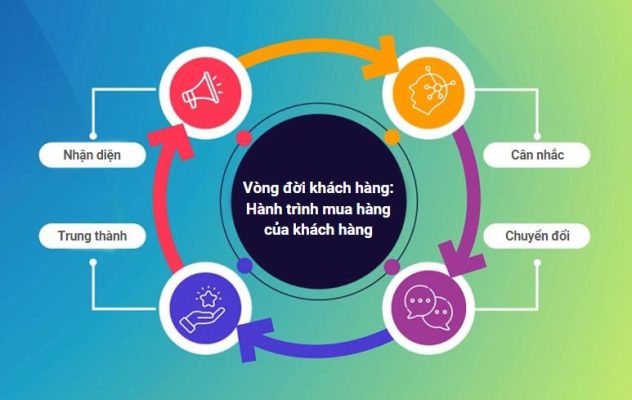
This growth marketing strategy covers the customer’s buying journey: awareness, consideration, conversion and loyalty. By focusing on each stage, you can guide potential customers to act and become loyal advocates for your business.
See more: Customer Segmentation: How to Understand Your Customers Better
3. Multichannel Marketing
Instead of promoting your products and services on a single platform, you can attract more customers by marketing your niche across the different platforms your business uses, such as Facebook, Instagram, LinkedIn, and more.
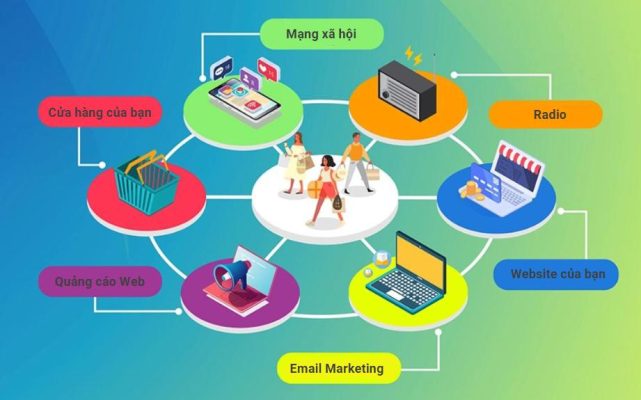
Each platform has its own purpose. Understanding how to reach your target audience on each platform helps you market your field more effectively and reach your ultimate goal.
4. Analytics Tools
To implement growth marketing successfully in your business, it’s important to use analytics tools to track data and gather insights. Because information plays such a critical role, you can improve your existing campaigns more effectively by using the following analytics tools:
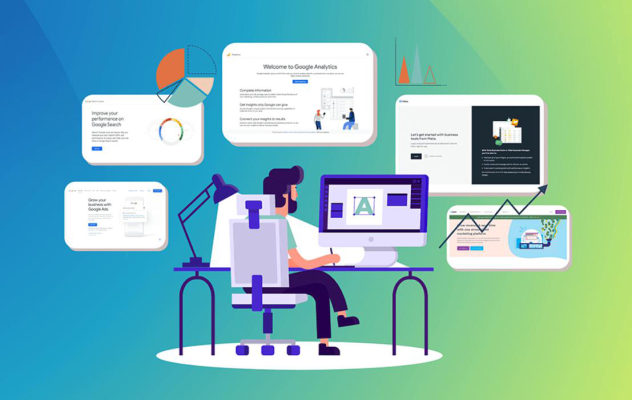
- Google Analytics – monitors website performance
- Google Ads – creates ads that run across Google’s ecosystem
- Google Search Console – lets businesses identify user queries on search engines.
- Facebook Business Manager – lets you manage multiple Pages
- Facebook Adroll – helps track website visitors who click on ads.
- Sumo – builds outstanding email lists
- Po.st – shows you how users share your articles.
What Are the Benefits of Growth Hacking and Growth Marketing?
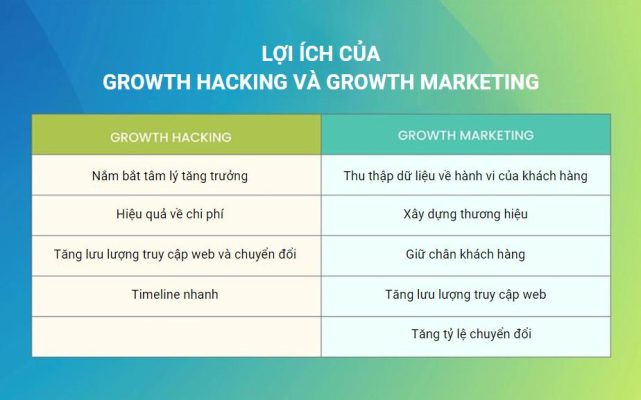
4 Benefits of Growth Hacking
1. Embrace a Growth Mindset
Implementing growth hacking allows anyone to adopt a growth mindset. This means marketers and business owners will work to understand what growth means for their goals and how they can achieve it, including how growth marketing can affect their business.
2. Cost Efficiency
Growth hacking is a cost-effective approach because it doesn’t waste time waiting months for results. If a marketer or business owner doesn’t see the planned results within a set period, such as one month, they will quickly change their strategy and try other methods to improve.
This helps minimize wasted marketing budget and shortens the time it takes for a campaign to start performing. You can expect marketers and business owners to run campaigns back to back, testing and adjusting until they find a strategy that delivers the results they want.
3. Increased Web Traffic and Conversions
Growth hacking doesn’t waste time investing in ineffective digital marketing campaigns for long periods. Instead, it focuses on generating quality leads until one of the ideas succeeds. Professionals keep using the approach until it stops working, while maintaining their brand awareness.
4. Fast Timeline
Growth hacking can generate quality leads because it never stops developing ideas. If the initial plan doesn’t work, marketers and business owners think creatively. They come up with new ideas that deliver fast results.
4 Benefits of Growth Marketing
1. Collecting Customer Behavior Data
Because growth marketing is data-focused, it helps businesses build long-term relationships with customers. By collecting more data on customer behavior, businesses have more opportunities to strengthen and optimize their brand awareness around customer needs in more creative ways.
2. Brand Building
Growth marketing strengthens brand awareness slowly but steadily. To do this, marketers and business owners put a specific idea into practice, evaluate progress and make adjustments to improve.
Over time, the business becomes more recognizable. More and more people will know its products or services just by looking at its logo or slogan. For example, “Just Do It!” is Nike’s slogan and “I’m Lovin’ It” is McDonald’s.
3. Customer Retention
Unlike growth hacking, growth marketing focuses on long-term growth and therefore takes a more holistic approach to customer retention. After marketers and business owners successfully convert their target audience into paying customers, they create campaigns that persuade those customers to become loyal customers, which increases the customer retention rate.
4. Increased Web Traffic
Growth marketing can help increase website traffic through both organic and paid methods. Marketers and business owners should create campaigns that use carefully chosen keywords to increase their chances of appearing in front of their target audience on search engine results pages.
5. Increased Conversion Rate
Growth marketing can help increase the conversion rate by improving existing campaigns that perform better than their alternatives. Optimizing these campaigns can generate more traffic, attract more leads and record more transactions. Marketers and business owners can apply this optimized approach across different platforms to expand their reach and strengthen their online presence.
Growth Hacking or Growth Marketing: Which Should You Use?
Although growth hacking and growth marketing take different approaches to marketing products and services to customers, both share the same goal of driving business growth.
The creativity of growth hacking and the methodical, data-backed approach of growth marketing can help businesses grow. When implemented correctly, they deliver remarkable results. As a result, your business can leverage both approaches to attract more customers and quality traffic, boost sales and take its market growth strategy to a new level.
>>> You can also read these articles:
- The Concept of Marketing: What Is It? The 13 Most Popular Types of Marketing in 2023
- Holistic Marketing: What Is It? Role and Planning Guide 2023
- 5 Basic Emotional Marketing Factors
- What Is a Customer Profile? 5 Ways to Create One
- What Is Word of Mouth Marketing? Benefits of WOM
- What Is an Insight? How to Identify Customer Insights Effectively
- Applying Psychology in Marketing

Nguyễn Đình
Bảo




As CEO of The7, I am committed to sharing practical, useful knowledge with every reader. Every article on The7 is based on my 7 years of hands-on experience in marketing — Facebook advertising, LinkedIn advertising, Google advertising, and marketing strategy. I hope you take away plenty of insight from these posts and apply it successfully in practice.
Related Articles
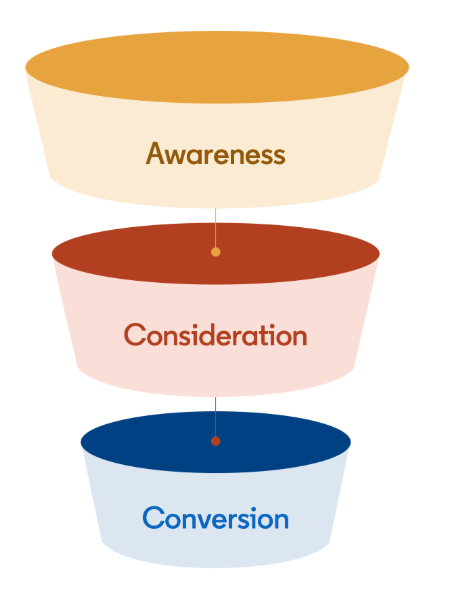
Building a Full-Funnel Content Marketing Strategy on LinkedIn
Table of Contents Toggle Why Build Content Marketing for the Full Marketing Funnel? (Why Full-Funnel Content Marketing?)Creating Your Strategy (Creating Your Strategy)Implementing Your Content Strategy (Rolling out your content strategy)Summary...
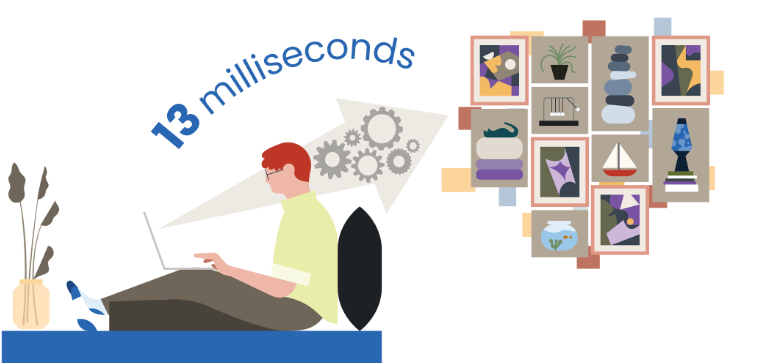
Designing Creative Content for LinkedIn
Table of Contents Toggle Why Is Good Creative Content So Important? (Why is Good Creative Important?)Key Components of Creative Design (the core elements of creative design)Summary (summary) Why Is Good...
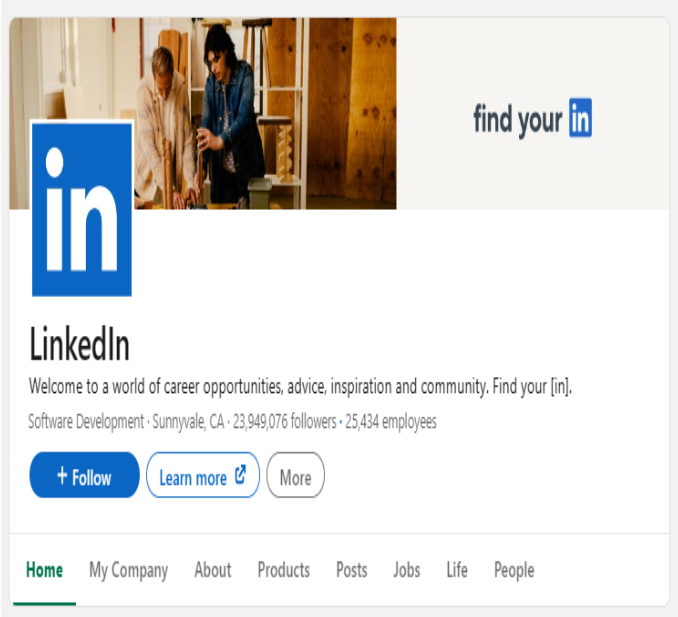
Building an Organic Business Presence on LinkedIn With a LinkedIn Page
Table of Contents Toggle Why Have a LinkedIn Page?Establishing Your LinkedIn PageKeeping Your LinkedIn Page ActiveThe Measure of SuccessSummary About LinkedIn Page (Summary) Why Have a LinkedIn Page? For a...
6 Best LinkedIn Marketing Strategies for B2B in 2026
Table of Contents Toggle LinkedIn 2026: Where B2B Decisions Get MadeStrategy #1 – Why Is LinkedIn the Best B2B Marketing Channel Today?1. Decision-makers are concentrated here2. Users are in work...

7 Social Media Trends for 2026: The Era of Real Value, Real Conversion, and Real People
Table of Contents Toggle Social media is entering the biggest restructuring of the decadeTrend 1: Why is buying directly in-app becoming the new standard for 2026? (On-Platform Conversion)What should businesses...

What Is TikTok Marketing? Effective TikTok Marketing Strategies
TikTok has been topping the global rankings of the most downloaded and most visited apps. That makes it a gold mine for marketers who love creativity. In this article, The7...