


What Is Brand Stretching? A Detailed Brand Expansion Strategy
Many pages on Google today still don’t clearly explain what Brand Stretching and Brand Extension are. Some articles claim the two concepts are the same, while others say they are not. So what is Brand Stretching? What is Brand Extension? How do the two differ? Let The7 walk you through it in this article.
1. What Is Brand Stretching?
Brand expansion (brand stretching) is an important marketing strategy that businesses use to introduce a new product under the same brand as their existing products. The goal of brand stretching is not only to leverage the strength of the brand but also to tap into new markets and meet the diverse needs of customers.
Brand stretching is really about “stretching” a brand out from its original product, extending the product line of the brand from the existing parent brand. The new product may or may not be related to the existing products, but it must bring benefits to the parent brand.
>>>> See more: Marketing consulting services
2. Pros and Cons of Brand Stretching
2.1 Advantages
- Increased revenue: A new product can attract new customers or encourage existing customers to buy more from the brand.
- Larger market share: A new product can help the brand break into a new market or expand its existing market share.
- Stronger brand awareness: A new product can help reinforce its brand positioning and build a stronger connection with customers.

2.2 Disadvantages
- Customer confusion: If a new product is not closely related to the existing products, customers may become confused or disappointed.
- Diluted brand value: A new product that is poorly received can reduce the value of the brand.
- Commercial failure: A new product that fails commercially because customers show no interest in it will lead to financial losses for the business.
3. How Brand Stretching Differs From Brand Extension
| Criteria | Brand Stretch | Brand Extension |
|---|---|---|
| Business goal | Increase revenue while keeping profit margins unchanged | Generate higher profits, even if revenue may decline |
| Strategy | Introduce a new product that is similar to the current product in benefits but different in price or branding | Introduce a new product that has no clear relationship with the original brand and its customers |
| Product characteristics | The new product is similar to the current product in functional benefits | The new product has little or no relationship with the original brand |
| Brand identity | Uses the existing brand name, logo or brand identity | Relates to any new product line in the company’s product portfolio |
| Application | Helps a company enter new markets and grow market share | Used to capture value from existing customers by offering more products that fit their needs |
4. Common Brand Stretching Methods
4.1 Horizontal Brand Stretching
Horizontal brand stretching is a strategy businesses use to grow sales by widening their product line. This approach involves introducing new variants of existing products or developing entirely new products.
This expansion strategy is not limited to offering new products or services. It can also include geographic expansion or a move into other industries. For example, a brand might expand from a local market into international markets, or open an online store to reach new customers.
Horizontal brand stretching can be achieved through methods such as:
- Launching a new product that is unrelated to the current product line.
- Offering an improved or extended version of an existing product.
- Expanding into a related or entirely new industry.
This strategy helps a brand diversify its products and services, creating opportunities to increase sales and grow the brand.

4.2 Vertical Brand Stretching
Vertical brand stretching is the process in which a brand extends its product line to serve different segments of its existing market. It is done by changing how products or services are offered, or by adjusting prices to match the needs and purchasing power of different customer groups.
A vertical stretching strategy involves reaching new market segments without fundamentally changing the product or service. A company can do this by:
- Adjusting price levels: Offering higher-priced or lower-priced versions of a product to serve different market segments.
- Changing the marketing strategy: Using different messages and advertising channels to attract diverse customer groups.
The goal of vertical brand stretching is to expand the brand’s presence in the current market and boost sales by attracting new customer segments, without changing the basic structure of the product or service.

4.3 Upward Brand Stretching
Upward brand stretching is the process of raising the value and quality of a product or service to appeal to a broader market. Many companies use this technique to strengthen brand prestige and awareness. The expansion can include activities such as:
- Adding new product categories: Introducing products in an entirely new line to broaden the brand’s range of offerings.
- Extending the product line: Developing additional variants or new versions of an existing product to give customers more choices.
- Adding functions to existing products: Improving a product by adding new features so it stands out from competitors.
- Creating new products in the same category: Developing new products with characteristics or benefits that differ from the current product.
- Offering new benefits: Adding extra value to an existing product to make it more appealing and give it a distinct edge.
4.4 Downward Brand Stretching
A downward product marketing strategy is used to attract customers with limited budgets. It focuses on cutting production costs, lowering selling prices, or offering promotions and discounts to make the product more affordable and accessible.
Ways to carry out this strategy include:
- Using cheaper materials: Reducing production costs by switching to less expensive materials while still ensuring product quality.
- Lowering prices: Adjusting selling prices to fit the purchasing power of customers with limited budgets.
- Offering coupons and promotions: Making the product more attractive through special offers that boost sales and attract new customers.

5. Things to Keep in Mind When Stretching a Brand
5.1 Improve Product Quality
To expand a brand, the first step a business needs to take is improving product quality, which builds trust and brand value in customers’ eyes. A brand known for good quality draws attention and preference from consumers, creating a solid foundation for brand growth and expansion.

5.2 Step Up Product Marketing
To make a brand widely known, a business needs to focus on communication and promotion across many channels, such as social media, television, newspapers, and by taking part in conferences and events. In the age of information technology, businesses can reach customers quickly through the internet. A diverse communications strategy strengthens brand awareness and expands the market effectively.
5.3 Strengthen Customer Relationships
Building and maintaining customer relationships helps boost sales, grow market share and drive effective word-of-mouth. Quality relationships can open up new business opportunities and create a base of loyal customers. These relationships can exist between a business and its customers, partners, suppliers, or even internally within the company. A strong network of relationships not only directly supports business activities but also improves the image and reputation of the business in the market.

5.4 Expand With Complementary Brands
Developing complementary brands is a strategy many businesses use to expand their market and increase sales. A classic example is Colgate: when it launched a new toothpaste, it also introduced a toothbrush sold together with each tube. This strategy not only encourages customers to buy more products, but also builds awareness of the new product and adds value for users.

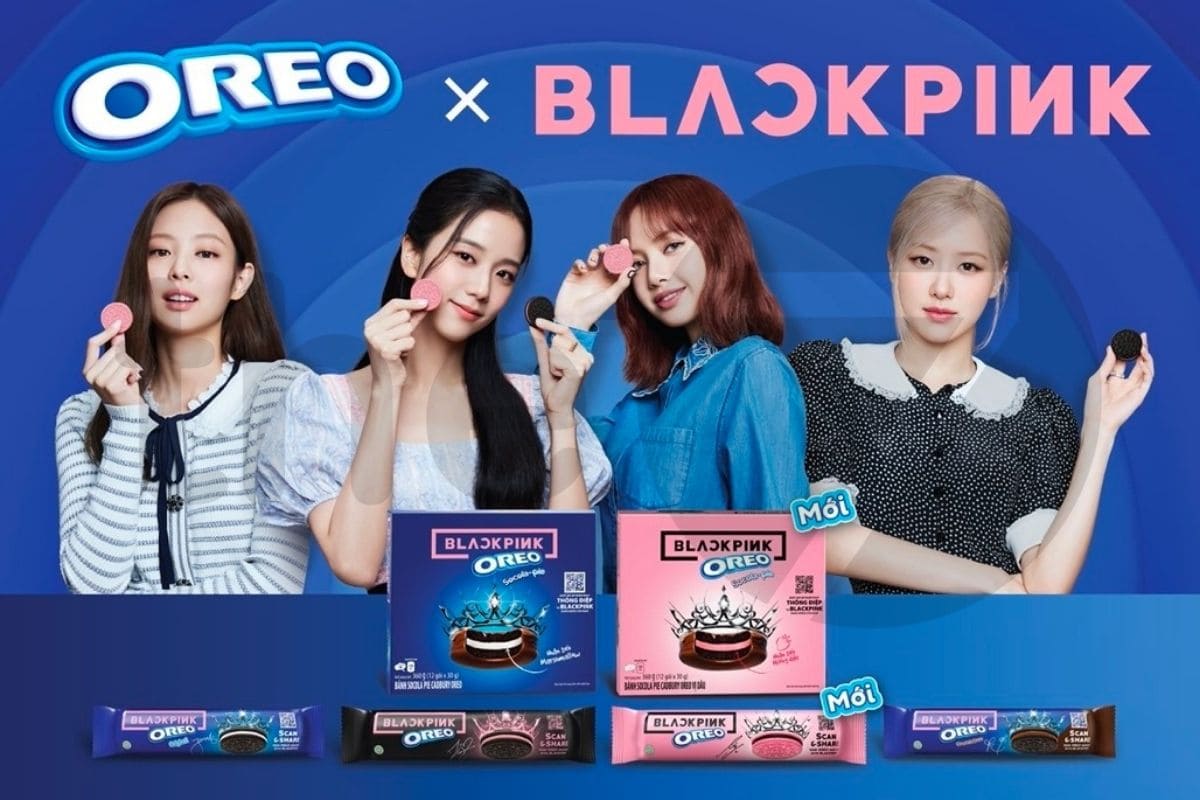
5.5 Partner With Celebrities
Partnering with celebrities such as actress Ninh Dương Lan Ngọc, MC Trấn Thành and singer Tóc Tiên is an effective brand expansion strategy that many major brands use. This kind of collaboration boosts brand awareness, draws customers’ attention and expands the market through the influence and fan bases of these public figures.
5.6 Franchising
Major brands such as McDonald’s and Lotteria use franchising to bring their brands to businesses in many countries. This not only makes the brand more widely known but also generates significant revenue from new markets. Franchising expands a business network without requiring a large direct investment, optimizing profits for both franchisors and franchisees.

6. Brand Stretching Examples
6.1 Coca-Cola
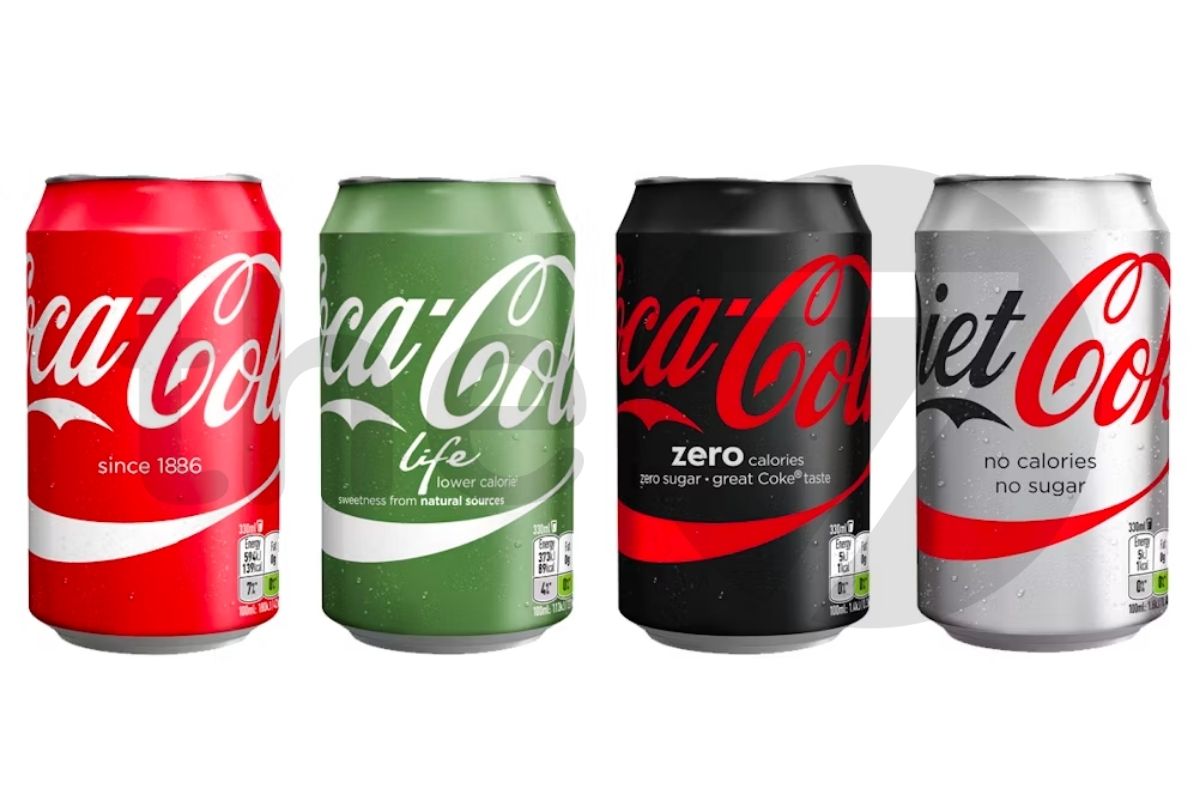
Coca-Cola is rolling out strategies that address consumers’ health needs as part of its goal to become the world’s leading beverage company. It has reduced the sugar in its products and developed low-sugar or sugar-free drinks such as Coke Zero, Diet Coke/Coca-Cola Light and Coca-Cola Life. The launch of these products not only meets health needs but also shows the breadth of Coca-Cola’s product range.
In addition, compact packaging designs and clear calorie information make it easy for consumers to keep track of how much sugar they consume. Coca-Cola is also stepping up its marketing strategy to raise awareness of healthier drink options, which strengthens its brand position in the global market and demonstrates its ability to adapt to modern consumer trends.
6.2 Samsung
Samsung is one of the top five global brands for advanced technology products such as smartphones, tablets, TVs and refrigerators. In electronics in particular, Samsung holds its position as the world’s leading smartphone maker, with a 22% market share according to Counterpoint.
Samsung’s successful “brand stretching” strategy is most visible in mobile. The company offers a wide range of products, from premium phones like the Galaxy Z Flip with its groundbreaking foldable screen and the 5G-enabled Galaxy Note 20 Ultra, to mid-range lines like the Galaxy A71 and A51 with their standout macro cameras.
Beyond product variety, Samsung also invests in design and modern technology to optimize the user experience. Through brand building, a clear strategy, listening to customers and constant innovation, Samsung has not only raised its brand value but also built a loyal and stable customer base.

6.3 Levi’s
Levi’s, a brand known for its rugged fashion style, deliberately created a new brand, Levi’s Dockers, to reach the premium men’s fashion segment. This strategy helped Dockers quickly become one of the leading men’s clothing brands in the United States and later spread worldwide.
Dockers is especially popular with young men and office workers thanks to its simple, elegant and easy-to-wear designs. In the 1990s, Dockers expanded into women’s fashion and developed accessory lines such as leather wallets, belts and socks that fit the fashion trends and customer needs of the 2000s. This strategy played an important role in the growth and success of Dockers in the international fashion market.

Brand stretching is an important strategy that helps businesses raise brand awareness and strengthen their position in the market. It is not only an opportunity to increase profits but also brings many challenges to resolve. Stretching a brand requires businesses to understand their target market well and to have a detailed plan that keeps the brand consistent and maintains quality throughout the process. Careful preparation is also needed to face and resolve any challenges that arise. The7 hopes this article is useful to you.
>>> See more:
- 4 Popular Brand Architecture Models Today
- Brand Repositioning: What Is It? 7 Strategies to Elevate Your Brand
- A Roundup of 16 Great Ways to Name a Brand
- Brand Equity: What Is It? How to Build Brand Equity Effectively

Nguyễn Đình
Bảo




As CEO of The7, I am committed to sharing practical, useful knowledge with every reader. Every article on The7 is based on my 7 years of hands-on experience in marketing — Facebook advertising, LinkedIn advertising, Google advertising, and marketing strategy. I hope you take away plenty of insight from these posts and apply it successfully in practice.
Related Articles
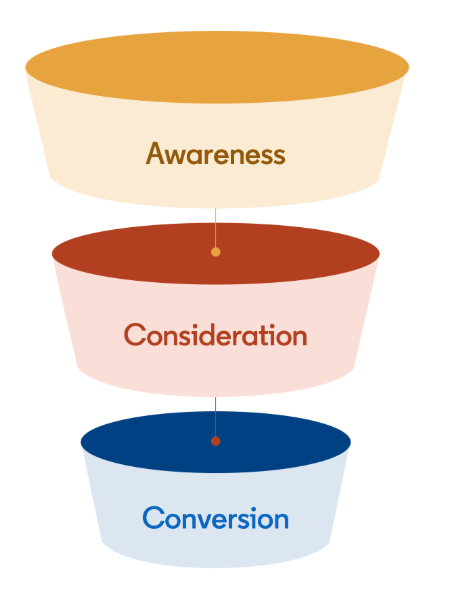
Building a Full-Funnel Content Marketing Strategy on LinkedIn
Table of Contents Toggle Why Build Content Marketing for the Full Marketing Funnel? (Why Full-Funnel Content Marketing?)Creating Your Strategy (Creating Your Strategy)Implementing Your Content Strategy (Rolling out your content strategy)Summary...
Designing Creative Content for LinkedIn
Table of Contents Toggle Why Is Good Creative Content So Important? (Why is Good Creative Important?)Key Components of Creative Design (the core elements of creative design)Summary (summary) Why Is Good...
Building an Organic Business Presence on LinkedIn With a LinkedIn Page
Table of Contents Toggle Why Have a LinkedIn Page?Establishing Your LinkedIn PageKeeping Your LinkedIn Page ActiveThe Measure of SuccessSummary About LinkedIn Page (Summary) Why Have a LinkedIn Page? For a...
6 Best LinkedIn Marketing Strategies for B2B in 2026
Table of Contents Toggle LinkedIn 2026: Where B2B Decisions Get MadeStrategy #1 – Why Is LinkedIn the Best B2B Marketing Channel Today?1. Decision-makers are concentrated here2. Users are in work...

7 Social Media Trends for 2026: The Era of Real Value, Real Conversion, and Real People
Table of Contents Toggle Social media is entering the biggest restructuring of the decadeTrend 1: Why is buying directly in-app becoming the new standard for 2026? (On-Platform Conversion)What should businesses...

What Is TikTok Marketing? Effective TikTok Marketing Strategies
TikTok has been topping the global rankings of the most downloaded and most visited apps. That makes it a gold mine for marketers who love creativity. In this article, The7...