


10+ Latest Google Advertising Policies for 2024

Google advertising policies are becoming increasingly strict, with new rules updated all the time, so Google Ads advertisers need to keep up to protect their accounts. If you are an advertiser too, The7 recommends you don’t skip the important information below.
ONLINE MARKETING SERVICES AT THE7:
Overview of Google Advertising Policies
Google currently enforces many strict advertising policies and prohibits content it considers harmful to users. This requires advertisers to keep up with the rules and comply with them by building suitable ad campaigns. Specifically:
- Deliver the best experience and maximize safety and positivity for users who see ads.
- Ad content must comply with current laws and with ethical and social standards in the many countries and territories where your ads are shown.
- Help advertisers optimize performance and achieve success with their ads.
Google’s advertising policies cover a wide range of topics and are divided into 4 main groups:
- Content prohibited by Google: This content may never be advertised on Google’s networks.
- Practices prohibited by Google: Practices advertisers must not engage in if they want their campaigns to be shown to users.
- Features and content restricted by Google: Features and content that may be advertised to users but are limited to a certain extent.
- Technical and content requirements: The standards and requirements for ad content, apps, and landing pages in Google Ads.
>>>> See more: How to run Google ads most effectively in 2024
Why Do You Need to Understand Google’s Advertising Policies?
It’s no accident that Google has set so many advertising policies and expects you to follow them strictly. Have you ever wondered what the “consequences” are if you don’t follow Google’s ad rules? Depending on the severity of the violation, advertisers face different penalties. The most common cases are:
- Ads are not approved: If advertisers commit a minor policy violation, Google will reject your ad campaign. This means your ads won’t be shown to users until the violation is resolved.
- Your domain is suspended: Google suspends websites that commit serious ad policy violations. None of your ad campaigns will be accepted until the violation is resolved.
- Your ad account is suspended or permanently banned: If you violate ad policies repeatedly, or commit a single but extremely serious violation, Google will suspend your account. In the worst case, the account is permanently banned and you lose all the customer data collected from your previous ad campaigns.
With penalties like these, you can see why complying with Google’s advertising policies is so important, right? So take the time to study Google’s policies thoroughly and master them to avoid unwanted risks.
Google Advertising Policies by Product Category
If your ad campaign falls into one of the product or service categories below, Google will reject it. Let The7 walk you through them so you can protect your account and optimize your ads.
Counterfeit Branded Products
Whether it’s cosmetics, perfume, handbags, or any other product that “imitates” famous brands, Google puts it in the prohibited ad category. To get your ads approved more smoothly, make sure you are the genuine brand owner or hold a franchise certificate, business authorization letter, or similar documentation.
For Guangzhou goods, if your products carry brand logos, your ads will clearly be rejected. On the other hand, ordering services or Guangzhou items without logos are still accepted by Google. Keep this in mind to protect your own interests.

Healthcare Products & Medicines
Under current Google advertising policies, most ads related to medicines are restricted or prohibited from being shown. The exception is when the product is manufactured directly by the company itself and certified by the Ministry of Health, in which case you may still consider advertising. Depending on the countries and territories where the ad is shown and on the ad content, you can go through the process of applying for Google’s certification to advertise.
The7 will point out a few examples of restricted healthcare ads:
– Prescription drugs
– Over-the-counter drugs
– Pregnancy and maternity-related products and services
– Medical procedures and services
– Medical testing services or devices, and more

Financial Products, Services & Cryptocurrency
Google enforces extremely strict advertising policies for products and services related to finance, investment, and cryptocurrency management, with the aim of protecting users from scams by individuals and organizations.
For financial products and services: Your ads may be reviewed very closely by Google and restricted if they relate to pawn services and consumer loans. Google requires you to provide full information, including the total loan cost, the minimum and maximum repayment period, fees, interest rates, and more. In addition, your ad campaign will be rejected immediately in the cases below.
- The loan interest rate exceeds the permitted limit (too high)
- Users have to make payments to another third party
- The loan repayment period is under 60 days (counted from the loan date).

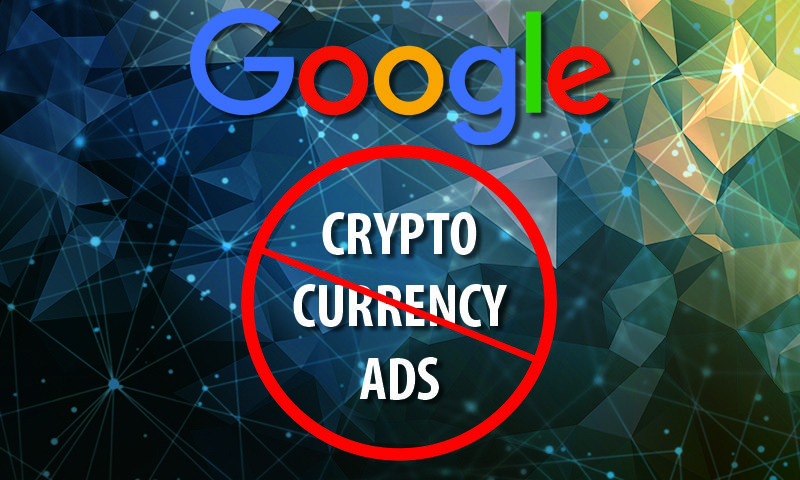
For cryptocurrency products and services: Google prohibits your ads if they involve issuing currency, buying and selling cryptocurrency, or sending users to cryptocurrency comparison websites. However, some ads can still be approved, including:
- Ads for crypto mining machines
- Ads that teach users how to mine cryptocurrency
- Ads that send users to an exchange, but the exchange must be certified by Google.
Wine, Beer & Alcoholic Beverages
Google’s advertising policy in Vietnam currently states that advertisers may not run campaigns related to wine, beer, or alcoholic beverages. In practice, though, some countries and territories around the world still accept these ads. So if you still plan to advertise this product group, don’t forget to check the list of countries where it is allowed.
All ad campaigns for wine, beer, and alcoholic beverages must not encourage users to drink and must not describe the product as having health benefits. Countries that allow these ads include Germany, Austria, Australia, Portugal, France, Canada, Japan, the United States, and more.

Weapons, Recreational Drugs & Tobacco
For weapons: Most ads for weapons such as guns and combat knives are prohibited by Google. The exception is ads for products that make guns safer, such as safety catches and gun locks, which Google can still approve.
For tobacco and recreational drugs: Google’s advertising policies strictly prohibit ads related to tobacco and recreational drugs or their accessories, including e-cigarettes, rolling papers, shisha, hallucinogens, and more.

Google Advertising Policies on Wording and Content
Besides the rules and policies for product and service categories, Google also sets strict requirements for ad content. If your ad campaign contains any of the following, it will not get through Google’s review smoothly:
Content that breaks grammar structure and deliberately dodges brand names, for example Ni.ke, M.LB, or m.ua hàn.g (“buy goods”).
Incorrect use of symbols and punctuation, for example Fl@wers.. or using more than one punctuation mark.
Ad text that contains a hotline or contact phone number. In this case, if you want your ad approved, use a call extension instead.
Ad content that contains words related to brands. If you are not the brand owner, avoid mentioning them so your ad isn’t rejected. For agents or franchisees, you need to submit supporting documents for Google to review.
Ad content that doesn’t match the content of the landing page.
Ad content related to products and services that Google prohibits or restricts, such as weapons, recreational drugs, financial products, cryptocurrency, and more.
Ad content with errors such as a missing company name, a missing product/service name, a missing line of ad text, a company or product/service name repeated too many times, text written in all caps, or too many capitalized words.
18+ content, which is only shown for certain types of keyword phrases, user age groups, and the local laws where the ad is served.
Content about alcoholic beverages such as wine and beer, which Google reviews more strictly. Google does not allow ads related to alcohol to be shown to minors or in countries that don’t allow alcohol advertising.
Gambling content. Only gambling advertisers with a valid Google Ads certification, a clear responsibility policy, no targeting of minors, and compliance with local laws can run Google ads. In Vietnam, Google completely prohibits gambling ads.
Google Ads Policy: Landing Page Standards
The landing page plays an extremely important role in Google advertising. According to Google’s advertising policies, landing pages must meet certain standards and requirements that advertisers need to follow.
Websites Must Be Free of Malware
Google will not allow you to advertise if your website contains harmful elements, including:
– Ransomware
– Trojans and rootkits
– Dialer software
– Rogue security software
– Spyware
– Computer viruses, and more
Website administrators rarely notice harmful elements on their own sites, so the spread is usually unintentional. If your ad campaign is rejected by Google for this reason, check your website again and set up a new ad.
Websites Must Have a Product Checkout Function
Of course, you can skip this requirement if you use the Google Display Network or Google search ads. For Google Shopping ads, however, your landing page must provide the following:
– A catalog of products/services with detailed descriptions
– Direct checkout on the website
– Return and warranty policies for services/products.
Websites Must Not Use Techniques That Evade Google’s Systems
If your website contains activity that evades or interferes with Google’s systems, ads that lead to that website will be prohibited. For example, your website restricts Google’s access, and more.
Landing Pages for Products Prohibited From Google Advertising
If you sell products or services prohibited under Google’s advertising policies, your website will certainly be rejected for advertising as well. If you sell restricted products or services, your website can still be reviewed for advertising. But if your website doesn’t meet certain standards, your ads will still be rejected by Google.
Common cases of prohibited websites include:
– Websites that deliberately collect sensitive information
– Visa service websites for traveling abroad or for foreigners
– Cosmetic and beauty websites with false reviews, including promises of permanent results, and more
– Intermediary websites that redirect users to another landing page
– Websites that are under maintenance or not operating.

What Happens If You Deliberately Bend the Rules?
In advertising, some people look for ways to bend the rules and keep advertising as usual. What matters most, however, is whether you can optimize your campaign later. When you need to adjust a campaign to optimize it, the ad has to be reviewed again, and slipping past Google becomes harder, which can lead to your ad account being rejected, banned, or locked.
Besides, bending the rules isn’t easy either. It takes a lot of time and resources to test across many different accounts, and not just a few times. So instead of spending money on getting around the rules, you should invest in optimizing high-quality ad creatives to reduce costs.
What to Do If Your Google Account Is Banned
If your Google Ads account is restricted or suspended, or even banned from advertising, don’t panic. Stay calm and look into the cause. Usually, each time a Google ad is rejected, you will receive a notification explaining why.
Once you’ve identified the cause, start fixing the violations in your ads and submit a request for Google to review them again. If you run into difficulties and can’t fix the problem, contact Google directly for support. Keep in mind, though, that this process takes quite a while and can last several days for individual ad accounts.
To avoid having your Google ad account banned or permanently locked in the first place, work with a professional advertising service provider. The7 is an ideal choice for you. With a team of experienced Google Ads specialists who have handled all kinds of policy violations and managed many effective ad campaigns, you can confidently entrust your ad account to The7.

This article has introduced the extremely important and constantly updated Google advertising policies in the Vietnamese market. We hope it not only helps advertisers understand why policy compliance matters, but also shows the steps to take if your Google Ads account is unfortunately banned. If you have any questions or need support with Google advertising services and full-service marketing, don’t hesitate to contact The7 right away via our hotline: 0827386886 or website: https://the7digital.com
>>> See more related articles:
- How to create a Google Ads account in detail (2024)
- How to write Google Ads ad copy in the most detailed way (2024)
- What is Google Ads? An overview of Google Ads

Nguyễn Đình
Bảo




As CEO of The7, I am committed to sharing practical, useful knowledge with every reader. Every article on The7 is based on my 7 years of hands-on experience in marketing — Facebook advertising, LinkedIn advertising, Google advertising, and marketing strategy. I hope you take away plenty of insight from these posts and apply it successfully in practice.
Related Articles

6 Simple Yet Effective Steps to Run Google Ads in 2024
Google Ads (Google AdWords) is Google’s online advertising service that helps businesses reach the right target customers, boost brand awareness, attract customers, and drive sales as customers search for information...
How to Run Effective Gmail Ads for Your Business
One of the advertising formats attracting the attention of many business owners is Gmail advertising. So how do you run effective Gmail ads? Let The7 walk you through this fresh...
What Are Google Smart Campaigns? Tips to Drive High Traffic
Google Smart Campaigns are one of the ways advertisers can access advertising information and digital marketing techniques faster. If you have just started a small business, keeping track of your...
What Card Should You Use to Pay for Google Ads in 2024?
Which card to use to pay for Google Ads is a common question among people who are new to Google Ads campaigns. So which card is best for paying for...

How to Link Google Analytics With Google Ads in 2024
To run Google Ads effectively, you need to do more than just launch campaigns. You also have to analyze and evaluate the performance of each campaign through its metrics. So...
How to Add Sitelink Extensions in Google Ads (2024 Guide)
Sitelink extensions let your ads give customers more information. They also make each ad stand out more than your competitors’ ads. This gives your Google Ads extensions a Quality Score...