


Understanding the LinkedIn Algorithm and Tips to Optimize for It

LinkedIn is a reputable social media platform that connects individuals and businesses, and it is well known worldwide in general and in Vietnam in particular. That is why users need to understand its algorithm to perform well on the platform and make sound decisions. Below is how the LinkedIn algorithm works and how to use it effectively for your personal and business marketing goals.
>>>>> See more: LinkedIn advertising services
What Is the LinkedIn Algorithm?
Like most search engines and other social media networks, LinkedIn uses its own algorithm to help users connect with other target audiences. It covers everything from searching for interesting content and looking for jobs to displaying any information you are wondering about and looking up on the platform.
Although the LinkedIn algorithm works differently, it also helps other users browse and find you, much like how Google helps users reach a business’s website.

So whether your goal is to generate leads, build a network, or grow your audience, LinkedIn is an effective tool and channel for boosting the visibility of your personal brand or your business.
How the LinkedIn Algorithm Works
The message LinkedIn wants to convey to its users is “The people you care about, talking about the people you know.” Here is how the LinkedIn algorithm works.
Prioritizing Relevant Content
The LinkedIn algorithm gauges your level of interest based on users’ most recent visits. Its goal is to help users reach the content they care about, even before they think to search for it.
With this approach, LinkedIn can show the videos, articles, job listings, and more that best match what an individual or business is looking for or is likely to engage with strongly.
Encouraging User Engagement
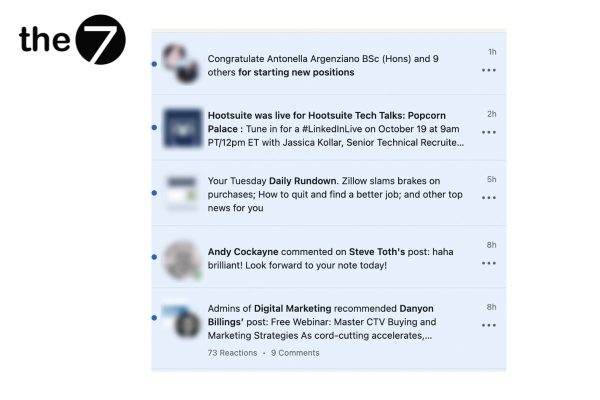
The second goal of the LinkedIn algorithm is to encourage engagement from potential users. Showing content that is relevant to users’ needs motivates them to share it, keep using the platform, and even invest in LinkedIn ads.
So if you invest in suitable content on LinkedIn, the algorithm will help distribute your posts to more viewers. In turn, this can earn you thousands of likes, views, and comments.

Posts That Share Knowledge or Advice Get More Priority
The LinkedIn algorithm prioritizes content with educational value, such as job-search information, recruitment, seminars, research papers (case studies), knowledge sharing, and advice. Most of this content covers topics that users care about and think of first when they open LinkedIn. So, based on user experience and statistical data, the system evaluates and distributes this useful content to the LinkedIn community.
Posts With Meaningful Comments Get Priority
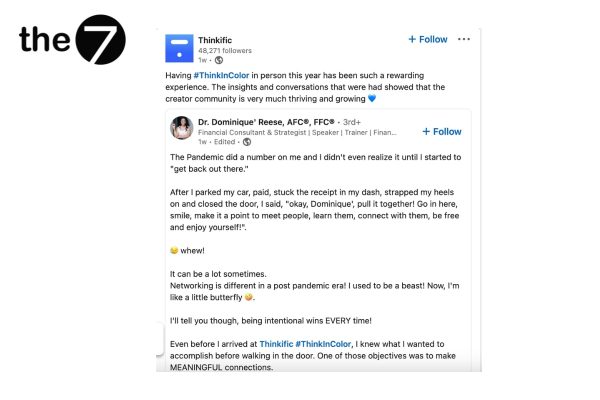
LinkedIn prioritizes posts that have “meaningful comments.” The LinkedIn algorithm evaluates, reviews, and pushes these posts to reach more users. Comments like “so true!” or “awesome!” become worthless, so the system recognizes and focuses on what is actually written in the comment.
Posts With Fresh Perspectives and Insights Get Priority
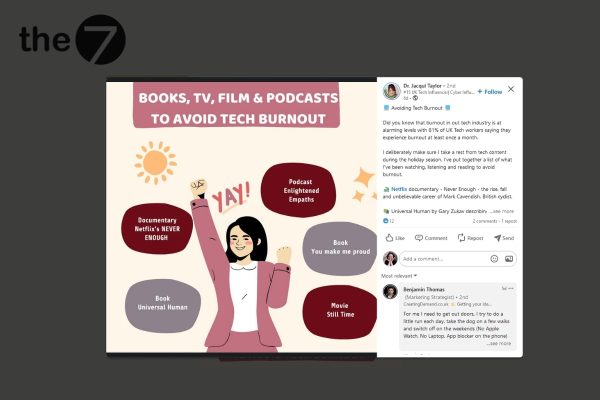
Posts with unique insights and perspectives are also one of the criteria the LinkedIn algorithm uses to decide priority when distributing content to users. The platform wants users to share the knowledge they have accumulated while also encouraging them to be creative and analyze information from different angles. As a result, the system prioritizes distributing posts that offer this kind of fresh viewpoint.
How to Use LinkedIn Ranking Signals Strategically
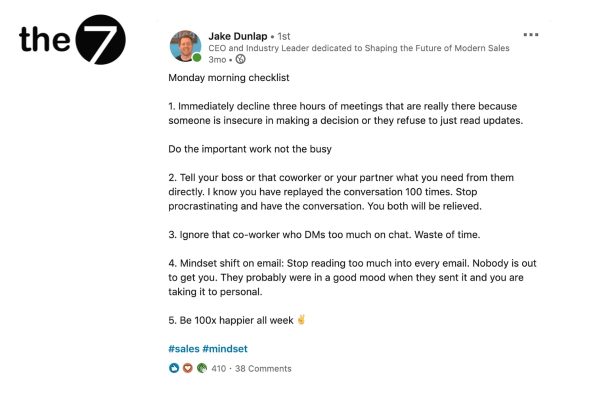
Like Google, LinkedIn uses its own distinct “ranking signals” to determine which content should be shown to which audience and how often. Making effective use of these ranking signals can help your posts reach more users, which in turn brings you more views and stronger engagement.
Connections
LinkedIn evaluates different “degrees” of Connections to determine what or who best fits your interests. In short, LinkedIn helps you know what really matters.
The larger your LinkedIn network, the more Connections you have and the more opportunities you get to engage with other professionals. As a result, your content will show up well beyond your usual connection levels, and the reverse is true as well.

In addition, the LinkedIn algorithm looks at the people who have engaged with you on the platform, including likes, comments, replies, and shares. LinkedIn then shows you content from outside your direct Connection network that is similar to the kind of content you have engaged with before.
Content Relevance
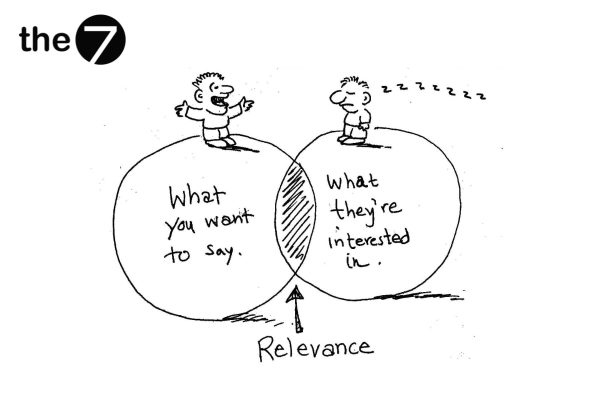
The LinkedIn algorithm also measures the relevance of content that other users share based on your interests. The system studies the hashtags (#), Pages, posts, and profiles you interact with most.
What’s more, the platform will even surface content from outside your Connections based on your past online behavior. This way, users can discover job postings, related topics, and more.
Engagement
As on other platforms, it is essential to know what users want and like to see. That is why engagement is also a key ranking signal on LinkedIn. The LinkedIn algorithm analyzes comments, shares, likes, connection requests, and other factors to estimate how likely you are to engage with a piece of content.
LinkedIn also considers a post’s “virality” and timeliness when deciding whether to distribute content beyond your connections to other users. In short, the algorithm can push your posts out to a much wider network.

Tips for Effective SEO on LinkedIn
LinkedIn uses the ranking signals The7 described above to “filter” content and show it to other users. Here are 4 basic steps to optimize effectively and get the most out of LinkedIn.
Step 1. Do “Keyword Research”
When doing keyword research on Google, we can use many helpful tools to get the best SEO results. LinkedIn offers fewer resources when you research LinkedIn SEO, but it becomes much easier once you know where to look for keywords.
For example, say you want to rank high and look for the right term to optimize for. Just run a search, and the LinkedIn algorithm will show results revealing which terms and phrasings other users use most.
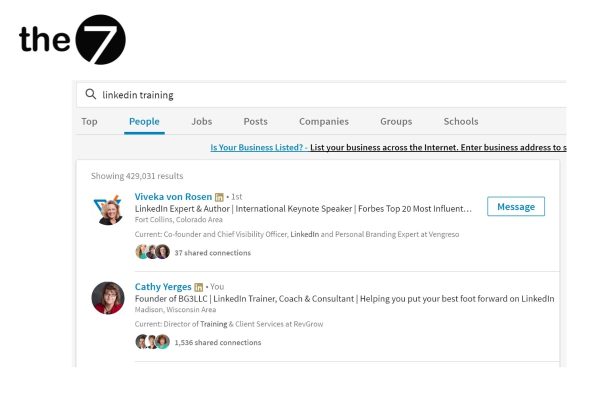
Next, open a user’s profile and you will see how it ranks for that term and how competitive the term is. The next step is to dig deeper into variations of the term to see which one the algorithm favors.
Step 2. Optimize Your Profile
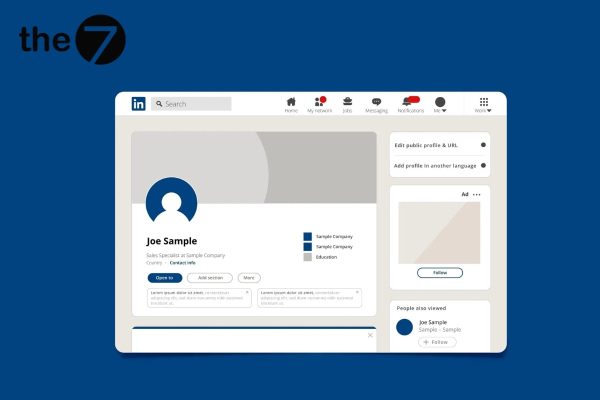
The next step is to optimize your profile to improve your ranking. Your About section, headline, and experience are all good places to include your target keywords and provide useful information.
Here are some ways to optimize your LinkedIn account :
- Choose a professional profile photo to encourage clicks.
- Add a professional cover photo and a compelling description to attract Connections and encourage users to visit your website.
- Add links to your website, landing page, or blog.
- Add featured items such as videos and blog posts.
- Ask past contacts or employers for Recommendations related to what you want to rank for or the services you offer.
- Add and highlight your top three skills that relate to the terms you want to rank for.
Step 3. Build a Diverse Network of Connections
On LinkedIn, the more Connections you have, the better. Your content will not only be shown to users at your first-degree Connection level but also to those at later levels. We encourage users to aim for around 500 connections.
A broad network gives you more chances to earn strong engagement and even reach other users’ circles. As a result, your profile is more likely to appear in LinkedIn searches.
Step 4. Engage With Other Users’ Posts
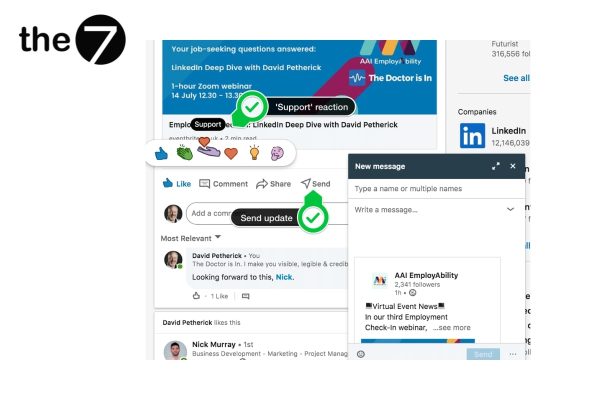
Engaging with other people’s posts is the final, important step of SEO optimization. LinkedIn does not stop at showing your interaction to one particular user; it extends that interaction to other users as well.
Even a single interaction can get anyone ranked in your feed. Comments and likes on content usually bring more views to your profile. When your content is shown to a larger audience, it is likely to appear exponentially more often afterward.
>>> See more related articles:
- What Is a LinkedIn Headline? Tips to Optimize Your Headline and Grab Attention
- 2024 LinkedIn Image Sizes – A Guide for Marketers
Why the Algorithm Matters for LinkedIn SEO
LinkedIn is a powerful way to attract more interested users to your profile, whether you want to win customers, find a job, grow readership, or build a brand.
In short, using the LinkedIn algorithm the right way will help you achieve high-quality SEO results. Keyword research and profile optimization let you grow your network, attract engagement, and draw your target audience to the services and products you offer.

We hope this article on the LinkedIn algorithm from The7 helps you better understand how it works and how to optimize your SEO on the platform. Take note of our tips and put them into practice to enjoy these great benefits.
>>> See more: What Is the LinkedIn Social Network? How to Create an Account and Use LinkedIn Effectively

Nguyễn Đình
Bảo




As CEO of The7, I am committed to sharing practical, useful knowledge with every reader. Every article on The7 is based on my 7 years of hands-on experience in marketing — Facebook advertising, LinkedIn advertising, Google advertising, and marketing strategy. I hope you take away plenty of insight from these posts and apply it successfully in practice.
Related Articles
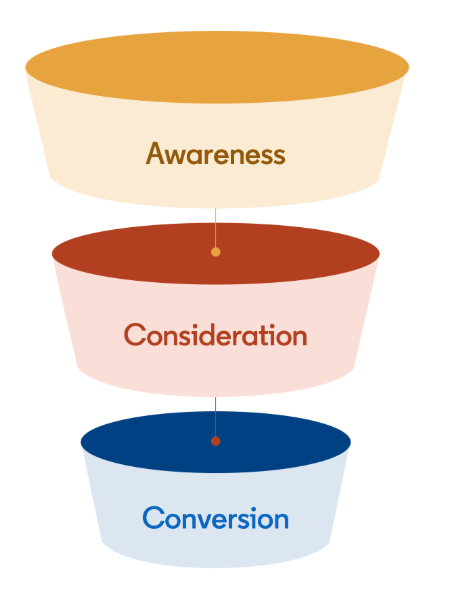
Building a Full-Funnel Content Marketing Strategy on LinkedIn
Table of Contents Toggle Why Build Content Marketing for the Full Marketing Funnel? (Why Full-Funnel Content Marketing?)Creating Your Strategy (Creating Your Strategy)Implementing Your Content Strategy (Rolling out your content strategy)Summary...
Designing Creative Content for LinkedIn
Table of Contents Toggle Why Is Good Creative Content So Important? (Why is Good Creative Important?)Key Components of Creative Design (the core elements of creative design)Summary (summary) Why Is Good...
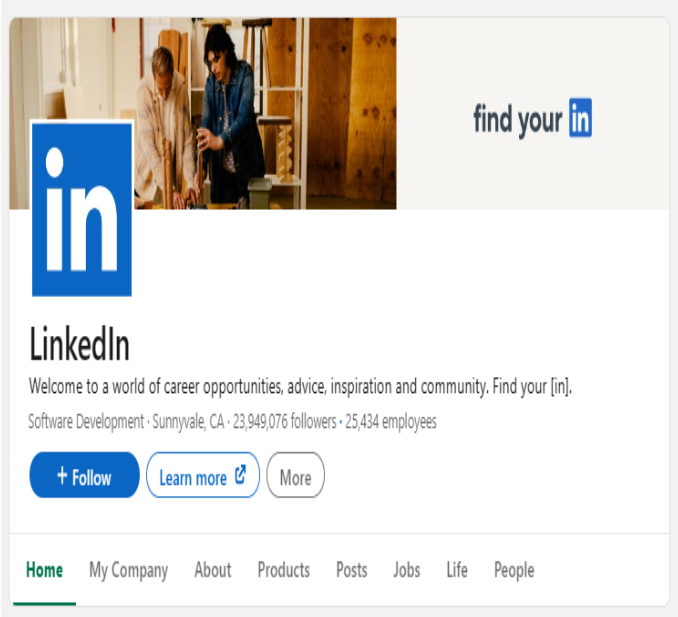
Building an Organic Business Presence on LinkedIn With a LinkedIn Page
Table of Contents Toggle Why Have a LinkedIn Page?Establishing Your LinkedIn PageKeeping Your LinkedIn Page ActiveThe Measure of SuccessSummary About LinkedIn Page (Summary) Why Have a LinkedIn Page? For a...
6 Best LinkedIn Marketing Strategies for B2B in 2026
Table of Contents Toggle LinkedIn 2026: Where B2B Decisions Get MadeStrategy #1 – Why Is LinkedIn the Best B2B Marketing Channel Today?1. Decision-makers are concentrated here2. Users are in work...

26 Predictions for Social Media Marketing Trends in 2025
It’s that familiar time of year again, when experts and analysts start revealing their predictions for the social media marketing trends worth watching, along with the shifts that promise to...
LinkedIn Advertising Guide for Beginners
LinkedIn offers businesses a huge opportunity to reach potential customers, build their brand, and even find talent to grow with. In this article, let’s join The7 in exploring how to...