


What Is a Business Strategy? Principles and How to Build an Effective Process in 2024

An effective business strategy is the key to helping a company allocate its resources in the most systematic and sensible way to maximize profit. In this article, The7 shares the details you need to better understand what a business strategy is, along with 7 key principles for building a business strategy that delivers high performance in today’s increasingly fierce market.
What Is a Business Strategy?
A business strategy (Business Strategy) is a set of methods and processes a company uses to carry out a clearly sequenced master plan. The main purpose of a business strategy is to achieve the company’s long-term goals. Those goals can cover finances, market share, customers, products, services, and more.
Put simply, a business strategy is a series of business methods and activities carried out continuously over a long period of time. It also reflects the company’s internal strength, such as its available resources, and the opportunities and challenges it faces…
The term “business strategy” belongs to the field of strategic business research. The fundamental nature of strategy in business is not very different from general concepts of strategy.
>>>> See more services: Online Marketing Consulting
Components of a Business Strategy
A business strategy is built from 5 basic components: strategic objectives, strategic scope, customer value and competitive advantage, a system of strategic activities, and core competencies.

Strategic Objectives
Strategic objectives set the company’s long-term direction. They are the key destination that defines the specific path of growth the company wants to achieve. They include the strategic plans that make sure every effort and resource is focused in the right place to reach this goal.
Strategic Scope
Strategic scope refers to the company’s field of operation and its scale. Defining the scope clearly helps a company focus on specific niches in the market, which optimizes resources and strengthens its competitive edge.

Customer Value and Competitive Advantage
Understanding the value a company brings to customers, along with its competitive advantage, helps build and maintain strong relationships. This includes defining the distinctive factors that make the company stand out from its competitors, while also understanding what customers want and need.
System of Strategic Activities
The system of strategic activities covers how a company organizes and carries out its activities to achieve its strategic objectives. It involves coordinating the different departments in the organization, managing resources, and making sure every activity supports the bigger goal.

Core Competencies
Core competencies are a company’s special capabilities and standout qualities. They include deep market understanding, advanced technology, and the ability to engage with customers. Developing and leveraging core competencies helps a company hold on to and expand its competitive edge in its industry.
The Role of a Business Strategy
A business strategy is a compass that guides a company, helping it define goals, build plans, and carry out effective business activities. It also helps a company set itself apart from competitors, strengthen its competitiveness, and gain a competitive advantage.
Building a business strategy is not complicated work, but it is a process that demands an investment of time and full focus. A business strategy is essential to a company’s growth because it:
- Defines the direction of growth
A business strategy helps a company set its direction for both the short and long term. By analyzing and forecasting the market, a business development strategy creates a growth roadmap the company can follow.
- Adapts to rapid market changes
A business strategy helps a company adapt flexibly to market fluctuations. It makes sure operations run smoothly and steadily, and grow in the direction the company wants.
- Manages people and teams effectively
A business strategy supports a company in managing its workforce and guiding everyone toward a common goal. It also builds unity and commitment among employees working together to reach long-term objectives.
- Seizes opportunities and manages risks
Business strategies help a company recognize and seize opportunities, while preparing carefully to face the difficulties and risks that may arise in the future.
- Sets the course of operations
Building a business strategy sets the company’s operations on the right track and turns its goals into concrete targets. As a result, employees and the organization have a clear understanding of the direction and of what must be done to achieve those goals.

10 Examples of Effective Business Strategies for 2024
Product Strategy
Product strategy is considered one of a company’s most fundamental strategies in doing business. As the main competitive tool and the strongest foundation, the product has a major influence on a company’s survival and growth.
Product strategy is not only about developing products to meet customer needs. It also includes researching market trends and demand, planning raw material purchasing, and handling design and production.
Having unique and appealing products lets a company attract customers quickly. That is why product strategy directly affects revenue, costs, and the other factors that contribute to profit.

Pricing Strategy
Pricing strategy and product strategy are closely linked. Each pricing strategy leads a company in a different business direction.
Pricing strategy is also strongly shaped by a company’s specific goals, such as revenue, market share, and brand. The basic pricing strategies include:
- Penetration pricing strategy
- The goal is to cut prices to capture the market quickly.
- It creates special appeal for customers, especially those who care about value.
- Discount strategy
- It focuses on offering discounts or incentives to specific audiences, usually during events or special occasions.
- It encourages immediate purchases and motivates customers to complete a transaction.
- Competitive pricing strategy
- It focuses on keeping prices competitive with rivals to retain and attract customers.
- It requires flexibility to adapt to changes in the market and among competitors.
- Premium pricing strategy
- It aims to build a luxurious, high-quality brand image.
- It creates uniqueness and added value to support a higher price point.

Distribution Strategy
Distribution strategy covers all of your different sales channels, including traditional ones, and needs to expand into new platforms such as social media and e-commerce platforms. To manage distribution channels effectively, companies should use professional sales management software.
Distribution systems come in several forms:
- Direct distribution: The company sells products directly to customers without any intermediary.
- Indirect distribution: Products reach customers through intermediary channels such as agents, retailers, or distributors.
- Intensive distribution: It concentrates on a few specific distribution channels to optimize care and management.
- Exclusive distribution: Products go to market through a small number of selected channels, which creates uniqueness and limits competition.
- Selective distribution: Distribution channels are chosen carefully based on certain criteria, such as location, image, or customer segment.

Product Marketing Strategy
Marketing strategy plays a major role in building consumer awareness, recall, and trust in a brand. As a result, a company can improve its sales performance and respond more flexibly to external shifts in the business market.
In addition, marketing strategy aims to strengthen customer loyalty by fully meeting customers’ needs. This relationship not only creates a solid connection between customers and the company, but is also the long-term goal of marketing strategy.

Brand Strategy
Customers tend to prefer products from brands that already have a reputation in the market. That is why brand strategy is not just a short-term solution, but a long-term strategy for building a company’s image and position.
Brand strategy needs to be carried out consistently from the start, because it is very hard to change or reposition a brand once it has been established. What matters is that the brand strategy is closely tied to the company’s specific vision and mission.

Sales Strategy
An effective sales strategy raises revenue and strengthens a company’s competitiveness. To achieve this, a company needs to optimize its key factors, build a quality sales team, and find the market that suits it best.
Every activity, including product development, marketing strategy, and brand building, contributes to carrying out and driving sales. A company also needs to focus on understanding its customers and addressing their underlying needs, so it can understand them better and create fitting solutions.

Alliance Strategy
An alliance strategy is a process in which two or more companies cooperate and combine forces to carry out a short-term project. The ultimate goal of an alliance strategy is to create “win-win” benefits for every party involved.
Companies in an alliance can collaborate on research, production, product sales, or service delivery. However, each company stays independent in running its own business.

Market Penetration Strategy
A market penetration strategy does not change any of the underlying elements. Instead, it focuses on increasing the market share of a company’s products or services that already exist in the market.
The goal of this strategy is to increase the quantity of goods per transaction and encourage customers to use the product or service more often. To achieve this, a company needs to strengthen its sales team, run powerful advertising campaigns, and step up its promotional activities.

Market Development Strategy
Companies carry out a market development strategy by expanding the presence of an existing brand or product at points of sale in the market and attracting new customers. The goals of a market development strategy can include market share, revenue, profit, customers, products, services, and more.

Strategy Focused on the Most Innovative Products and Services
Creating differentiation by developing products or services is a very effective business strategy. To succeed at this, a company needs to be clear about the meaning and value of its product or service, as well as the direction in which it wants to innovate.

How to Build an Effective Business Strategy
A business strategy may seem easy to grasp in theory, but planning and carrying it out is far from simple. The steps to create a business strategy are:
Set Your Goals
The first step in building a strategy is to clearly define what the company’s strategy is and what its business goals are. The business strategy goals to focus on include revenue, profit, market share, and more…

Analyze the Market
Researching the market and analyzing your business strategy helps a company understand its competitors and the brand’s position in the market. This information provides a full picture and a differentiated business direction, helping the company reach its goals and avoid risks in the future.

Build a Sales Strategy
The next important step in building a company’s business strategies is to develop a sales strategy that shapes production and product development to fit market trends and the needs of the target customers. Factors such as quality, cost, brand name, and packaging directly affect a product’s revenue.

Evaluate, Measure, and Optimize
Evaluating, measuring, and reviewing are necessary steps before officially rolling out any strategy. This process optimizes the business strategy by assessing its effectiveness and making the needed adjustments. It ensures the company performs at its best in the future.

7 Basic Principles for Setting a Business Strategy
To build effective, optimized business strategies, you need to follow a few basic principles. Here are 7 basic principles The7 introduces to support you as you build your business strategy:
Understand Your Business Market
Before setting a business strategy, a company needs to understand every aspect of its market, because each market has its own characteristics that shape the tactics a company builds.
This process helps a company develop strategic thinking effectively. Having the right business strategy will define the company’s survival and growth in the future.

Identify the Right Target Audience
The next principle for building an effective business strategy is to identify the right target audience. A company needs to pinpoint the target audience it is aiming for and set up how it will serve that audience.
This principle boosts customers’ purchasing power and helps a company save a great deal on other marketing strategies. So what matters is making customers feel their needs are met through the products and value the company delivers.
Compete to Stand Out
When setting a business strategy, a company should not repeat its competitors’ moves, but explore and apply new strategies. This way, by carrying out new and different strategies, the company gets a chance to reach new audiences and expand into markets with far greater growth potential.

Compete for Profit
The purpose of creating a competitive advantage, or of meeting customer needs as well as possible, is to increase profit and strengthen the company’s position. In business, a company cares not only about the growth process but also about the profit it can generate.
Change to Stay Relevant
Changing to stay relevant helps companies extend their product life cycle, create opportunities for growth, and respond flexibly to new trends. Without change, a company risks standing still, making no progress, and falling behind its competitors.
Competitors’ growth, shifts in customer needs and behavior, and technological progress are the factors that force a company to change its business strategy in order to adapt. A company needs to be sharp at spotting new trends and applying them to its business model so it stays in sync with a market that keeps moving every day.
Systematic Thinking
By developing systematic thinking and building accurate data from real figures, you can form useful assumptions for the company’s growth. Thinking systematically and objectively about customer assessments, market trends, and more is a prerequisite for building an effective business strategy for the company.
Learn to Say No
In business strategy, deciding what to do and what not to do are equally important. Once you understand the market and your customers, you will realize there are many decisions you need to decline.
For example, sometimes you need to turn away certain customer groups you don’t serve well, decline to take part in unnecessary activities, or even simply refuse to offer products and services that aren’t good. Saying no helps a company focus on the areas where it has an advantage, while reducing unnecessary risks and costs.

6 Things to Keep in Mind When Implementing a Business Strategy
Monitor Cash Flow
To keep its position and keep growing in a complex business environment, a company needs to pay close attention to cash flow and optimize operations to save costs. It also needs to keep a reserve fund to handle risks that may arise.
Start From a Niche Market
When executing a business strategy from a niche market, a company can save costs by offering a unique product that solves the “pain point” of a small group of customers. Understanding the specific needs and “pain points” of each customer group helps you deliver your message accurately.
Analyze Your Competitors
Analyze your competitors’ business information and strategies in depth so you can build a fitting strategy and tactics.
Take In Customer Feedback
Listening to customer feedback is the key to adjusting and refining your business strategy. A company needs to gather customer opinions to develop a growth strategy that fits and satisfies them.
Adapt to Change
A company needs to build its business strategy on an analysis of the current market situation and a forecast of changes that may happen in the future. When the market shifts, the company needs to be ready to adjust its strategy to adapt.
Apply New Science and Technology
Advancing technology is changing the way people live and work. That is why companies need to adopt technologies such as AI, management software, apps, and sales tools to improve their competitiveness and operations.

Factors That Influence Business Strategy
Competition Among Rivals
Competition among rivals is a key factor that determines whether a company succeeds or fails. To win market share, a company needs to build fitting business strategies, covering price, product/service quality, brand positioning, after-sales service, promotions, and advertising.
A company needs to keep tracking and evaluating its competitors’ activities so it can set a suitable strategy. When a competitor launches a new product or service or changes its strategy, the company needs to quickly put a new business strategy in place to avoid falling behind.
Customers’ Bargaining Power on Price
Segmenting customers by needs, expectations, and tastes is an effective business strategy that helps a company limit price pressure and customers’ bargaining power.

Suppliers’ Bargaining Power on Price
Suppliers can raise or lower the quality of raw materials to maximize their own profit, which affects the quality of a company’s products. That is why a company needs to tightly control the quality of the materials it receives from suppliers to protect its own product quality.
New Competitors Entering the Market
The arrival of new competitors forces a company to keep innovating, including in technology. Technology is an important weapon for winning a competitive advantage in the market. A company needs to focus on developing new technology to create high-quality products and services that meet customer needs.

Substitute Products
The threat of substitute products forces a company to keep improving its technology, upskill its people, and optimize production costs to lower product prices and, in turn, boost its competitiveness.
Frequently Asked Questions About Business Strategy
What Are the Differences Between a Business Strategy and a Business Plan?
A business strategy is an important document that gives a company direction and supports long-term growth. A business plan is a useful tool that helps a company carry out its business strategy effectively.
| Feature | Business Strategy | Business Plan |
| Purpose | Sets goals and direction for the company | Describes the company’s goals, strategies, and activities in detail |
| Scope | Big-picture, long-term | Detailed, short-term |
| Flexibility | High | Low |
| Update frequency | Frequent | Periodic |
How Long Does It Take to Implement a Successful Business Strategy?
The time it takes to implement a successful business strategy varies and depends on many factors, such as the size and scope of the company, the complexity of the market, and its ability to execute. In general, though, it takes anywhere from a few months to a few years to see clear results from a business strategy.
In this article from The7, you have learned what a business strategy is, its role, the 7 principles for building one, and the factors that influence a company’s business strategy. Building a business strategy is an important step that gives a company direction and helps it grow, but it is not the only factor that determines a company’s success. When done right, a business strategy helps a company reach its goals and achieve success.
>>>> See more: What Is Market Intelligence? How to Optimize Market Intelligence Effectively in 2024

Nguyễn Đình
Bảo




As CEO of The7, I am committed to sharing practical, useful knowledge with every reader. Every article on The7 is based on my 7 years of hands-on experience in marketing — Facebook advertising, LinkedIn advertising, Google advertising, and marketing strategy. I hope you take away plenty of insight from these posts and apply it successfully in practice.
Related Articles
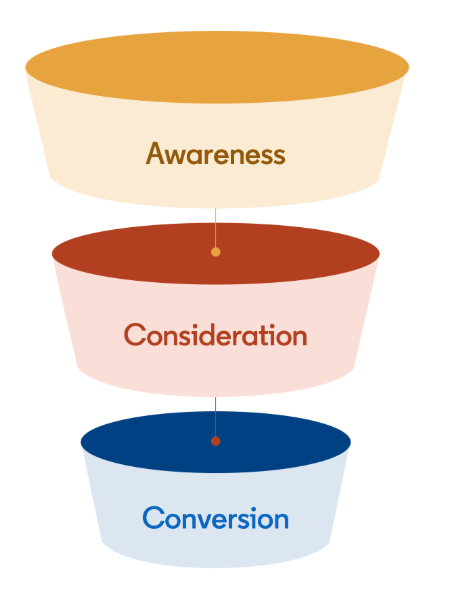
Building a Full-Funnel Content Marketing Strategy on LinkedIn
Table of Contents Toggle Why Build Content Marketing for the Full Marketing Funnel? (Why Full-Funnel Content Marketing?)Creating Your Strategy (Creating Your Strategy)Implementing Your Content Strategy (Rolling out your content strategy)Summary...

Designing Creative Content for LinkedIn
Table of Contents Toggle Why Is Good Creative Content So Important? (Why is Good Creative Important?)Key Components of Creative Design (the core elements of creative design)Summary (summary) Why Is Good...

Building an Organic Business Presence on LinkedIn With a LinkedIn Page
Table of Contents Toggle Why Have a LinkedIn Page?Establishing Your LinkedIn PageKeeping Your LinkedIn Page ActiveThe Measure of SuccessSummary About LinkedIn Page (Summary) Why Have a LinkedIn Page? For a...

6 Best LinkedIn Marketing Strategies for B2B in 2026
Table of Contents Toggle LinkedIn 2026: Where B2B Decisions Get MadeStrategy #1 – Why Is LinkedIn the Best B2B Marketing Channel Today?1. Decision-makers are concentrated here2. Users are in work...

7 Social Media Trends for 2026: The Era of Real Value, Real Conversion, and Real People
Table of Contents Toggle Social media is entering the biggest restructuring of the decadeTrend 1: Why is buying directly in-app becoming the new standard for 2026? (On-Platform Conversion)What should businesses...

What Is TikTok Marketing? Effective TikTok Marketing Strategies
TikTok has been topping the global rankings of the most downloaded and most visited apps. That makes it a gold mine for marketers who love creativity. In this article, The7...