


What Is Market Intelligence? A Detailed Guide to Optimizing It
Market Intelligence helps businesses achieve their marketing goals by collecting, analyzing, and using information about the market and the business environment. In this article, The7 explains what Market Intelligence is and why it matters for your business.
1. What Is Marketing Intelligence?
Marketing Intelligence is the process of collecting, analyzing, and using information about the market and the business environment to help companies make sound marketing decisions and business plans.
Marketing Intelligence covers several types of information, including:
- Customer information: Shopping habits, needs, wants, preferences, behaviors, and more.
- Competitor information: Products, services, pricing, marketing strategies, and more.
- Business environment information: The economic, political, social, and technological landscape, and more.

>>>>> See more: Online marketing consulting services
1.1 Sources of Market Intelligence Data
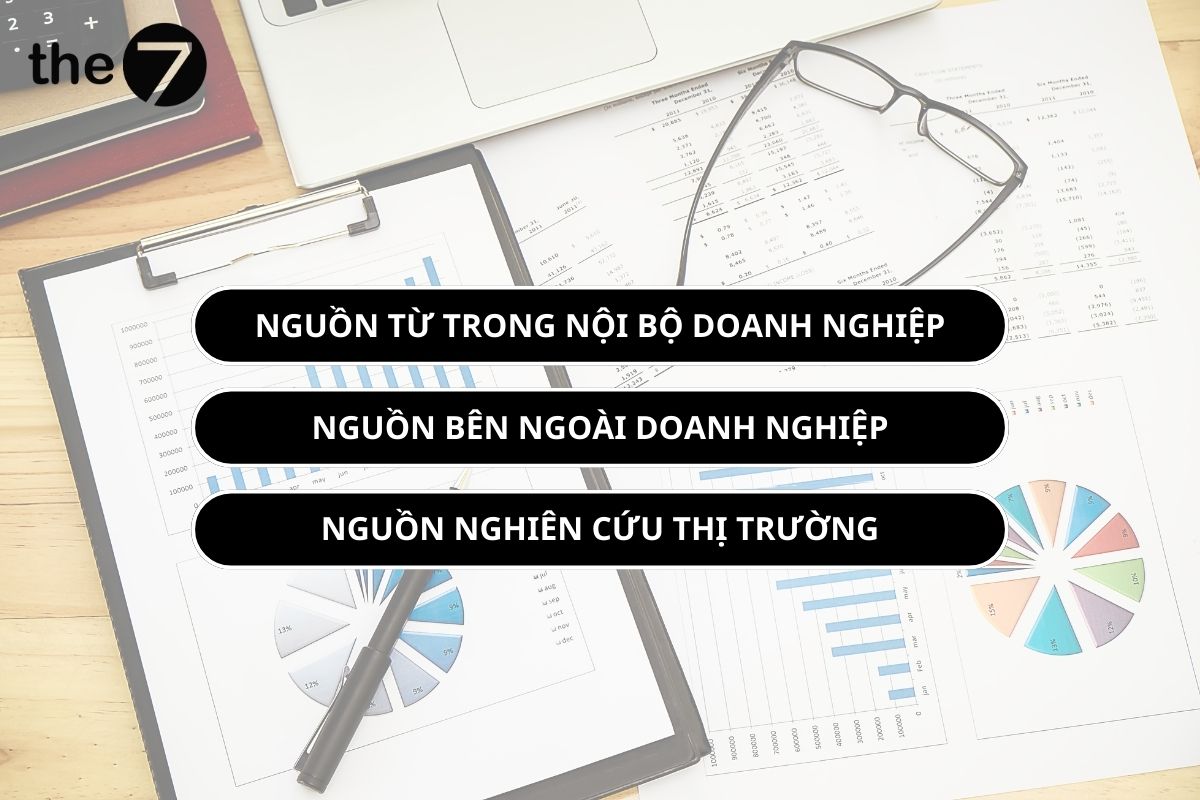
Marketing Intelligence can be collected from many different sources, including:
- Internal sources: Information from the different departments within your business, such as sales, customer care, and finance.
- External sources: Information from outside your business, such as newspapers, magazines, websites, and social media.
- Research sources: Information from market research, customer research, competitor research, and more.
1.2 Market Intelligence Data and Information
The data and information that Market Intelligence gathers give managers an important foundation for proposing marketing strategies and strengthening their competitiveness in the target market. This information and data includes:
- An overview of the general characteristics of the market.
- Identifying market potential for new products or services.
- Distinguishing and evaluating competitors in the market, along with studying their behavior.
- Identifying customer audiences in the market and researching their behavior.
- Gathering information on the problems, difficulties, and controversies emerging in the market.
2. Benefits of Marketing Intelligence
To understand Marketing Intelligence better, let’s look at the benefits it brings to your business.

2.1 Optimize and Improve the Sales Process
Marketing Intelligence gives your business detailed information about customers and the market, helping you understand customer needs, develop products that fit them, and run a more effective sales process.
2.2 Strengthen Your Competitive Advantage in the Market
Marketing Intelligence is an important tool for building a solid competitive advantage over your rivals. Your business can understand customer needs and market development trends, which creates sales opportunities, reduces risk, and gives your business a major competitive edge.

2.3 Stay on Top of Market Information
When you understand what Market Intelligence is, your business gets important, useful information about today’s market, including trends, customer behavior, and the market audience you are targeting. With it, you can quickly define your direction and build marketing strategies and campaigns that keep your business stable and growing.
2.4 Build a Market Penetration Strategy
With Market Intelligence, your business can quickly monitor and spot market trends and launch new products or services at the right time. This makes it easier to build a market penetration strategy and win market share effectively.

2.5 Retain Customers Effectively
Marketing Intelligence helps your business pinpoint why customers are unhappy with a product, so you can take corrective action and plan how to keep loyal customers from going to competitors. In addition, the in-depth insight into market trends that Marketing Intelligence provides helps your business retain customers effectively.
3. Why Market Intelligence Matters
3.1 Understand Your Position in the Market
Market Intelligence is an important tool for assessing where your business stands in the market so you can build a suitable business strategy. Accurate analysis from Market Intelligence gives your business a better view of the market’s big picture.
Through comprehensive, in-depth analysis, Market Intelligence helps your business learn about competitors, understand current market demand, and recognize future trends and target audiences. That leads to high-performing strategic decisions.

3.2 Evaluate Product Quality
A Marketing Intelligence Manager runs surveys on product trends in the market and evaluates demand for specific features and technical specifications. Through this process, your business can gauge how well a product performs and make business decisions that fit the market and consumers.

3.3 Build an Effective Market Development Plan
To keep pace with a growing market, your business has to put a lot of continued effort into market research. You also need to guard against risks that may arise, such as the market not accepting your product.
Market Intelligence reduces the risk of launching products or services that are not useful and fail to meet consumer needs. As a result, your business can build a more effective development plan, limit risk, and respond better to market demands.

3.4 Pinpoint Your Target Audience
By collecting market information, Marketing Intelligence helps a company better understand the needs of its target audience. Your business can use that understanding to sensibly define the target audience for specific products and services.

3.5 Support Resource and Fund Allocation
With market intelligence in place, your business can identify which strategies perform well and fit the goals set for each stage. This makes decisions about allocating resources and investment funds more effective, while optimizing resource use and getting the best performance from every strategy you roll out.

3.6 Analyze Competitors
Gathering information on competitors plays an important role in Market Intelligence. This information gives your business a detailed look at competitors’ failures, so you can draw key lessons and make strategic business decisions. Competitor data not only helps you avoid mistakes but also supports building a competitive strategy and optimizing business performance.
4. What You Need to Know About Market Intelligence
4.1 The 4 Aspects of Market Intelligence
Market intelligence has 4 different aspects, each focused on a specific area:
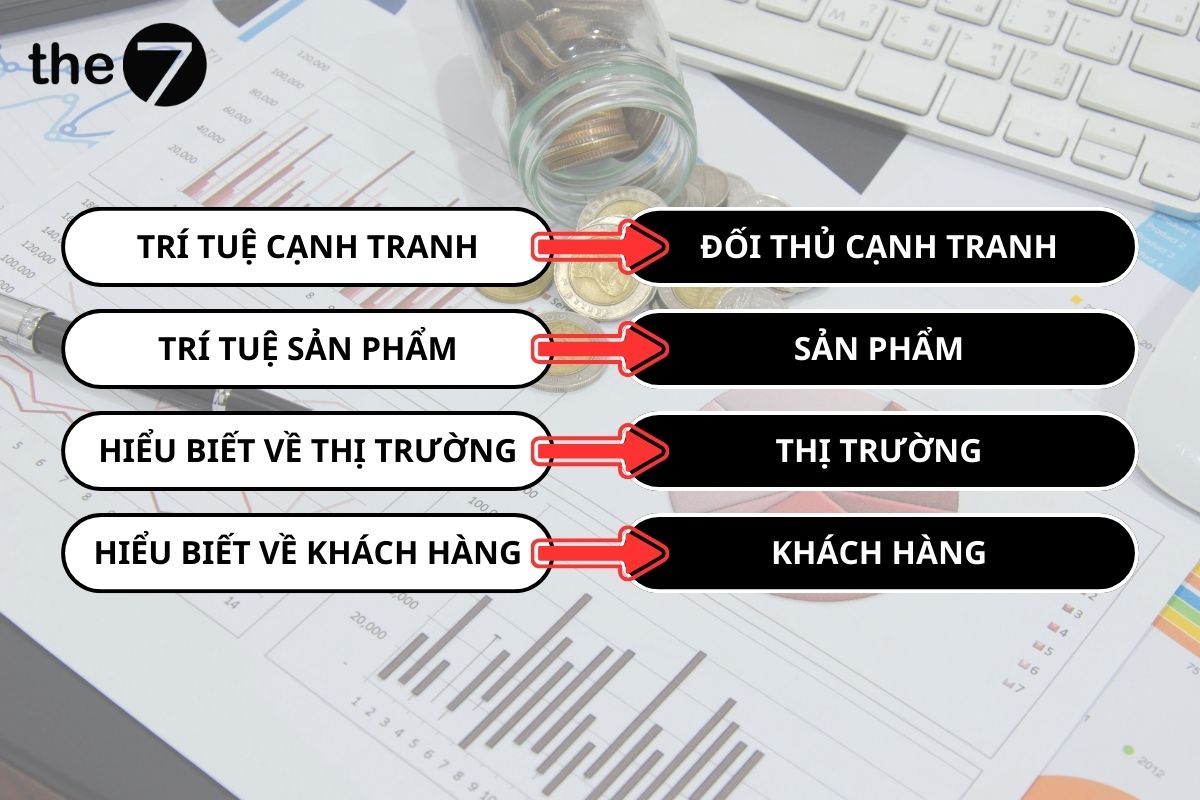
- Competitor Intelligence
Competitor intelligence is the process of legally gathering information about your competitors. It helps your business assess their strengths and weaknesses so you can make smart business decisions that boost your own competitiveness.
- Product Intelligence
Product intelligence focuses on gathering information about the products your business offers. This information typically covers quality, performance, and other key product characteristics.
- Market Understanding
This aspect focuses on understanding the current market. It involves gathering information on how your products perform in the market, as well as researching the potential markets your business wants to expand into.
- Customer Understanding
Understanding your target customers is the most important aspect. It focuses on gathering information about customers’ needs, tastes, and behavior, which helps your business build effective marketing and customer service strategies.
4.2 The 2 Databases Behind Market Intelligence
Market intelligence falls into two main types, depending on where the data comes from:
- Market Intelligence Based on External Data
Market intelligence based on external data is the process of collecting and analyzing information from sources outside your organization. The main sources include:
Competitors: Competitors’ activities and events, plus their publicly available financial data.
Market reports and publications: Reports and studies from market experts.
Media: Press releases and information in mass media.
Social media: Data and feedback on social media platforms.
- Market Intelligence Based on Internal Data
Market intelligence based on internal data focuses on information taken from inside your organization. The main sources include:
Company internal data: Data on sales revenue, costs, and profit.
Market history: Historical data on the market and the company’s growth.
Feedback from key people: Feedback from key members of the organization.
Lead lists: Information about the company’s potential customers.
Social media account information: Data from the company’s social media accounts.
5. Steps to Improve Market Intelligence
5.1 Tap Into Your Sales Team
Your sales team deals and communicates directly with potential customers, so it plays an important role in supporting Marketing Intelligence with reliable sources of information. That puts them in a position to offer detailed, in-depth views of competitors’ strengths and weaknesses, as well as ongoing industry trends. Based on this information, they can propose flexible solutions that meet customer needs quickly and accurately.

5.2 Ensure Data Quality
By talking and negotiating with partners or third parties that provide data services, your business can widen its access to a large volume of data on marketing strategies across both online and offline platforms.

5.3 Use Analytics Tools Effectively
The right analytics tools give your business the most accurate, complete view of all the data you are currently using.
5.4 Collect Customer Reviews
Collecting customer feedback is an important step that helps your business better understand perceptions of your marketing activities, satisfaction with your products, and the customer experience. The data you gather will help your business focus more effectively on its strengths.
6. Frequently Asked Questions About Market Intelligence
Why Is Marketing Intelligence Important for Businesses?
Marketing Intelligence helps businesses optimize their consumer research, which helps a company reach a leading position in its industry. Many organizations use this information when building business plans to make sure their products or services can meet customer needs and achieve the highest sales.
Who Should Use Market Intelligence?
Any business can use Market Intelligence before rolling out its business strategies. Market Intelligence gives businesses key data for deciding whether to expand into a new country. It also helps them understand that market’s trends and requirements, so they can decide whether their current products should be improved. With this information, brands can determine which new products to develop and build a pricing strategy that stands up to competitors and attracts customers.
Marketing Intelligence is an indispensable part of a company’s marketing campaigns and plays an important role. We hope the information shared by The7 has given you a clear picture of what Market Intelligence is, along with related topics such as its benefits and the steps to improve Market Intelligence most effectively for your business.

Nguyễn Đình
Bảo




As CEO of The7, I am committed to sharing practical, useful knowledge with every reader. Every article on The7 is based on my 7 years of hands-on experience in marketing — Facebook advertising, LinkedIn advertising, Google advertising, and marketing strategy. I hope you take away plenty of insight from these posts and apply it successfully in practice.
Related Articles
Building a Full-Funnel Content Marketing Strategy on LinkedIn
Table of Contents Toggle Why Build Content Marketing for the Full Marketing Funnel? (Why Full-Funnel Content Marketing?)Creating Your Strategy (Creating Your Strategy)Implementing Your Content Strategy (Rolling out your content strategy)Summary...

Designing Creative Content for LinkedIn
Table of Contents Toggle Why Is Good Creative Content So Important? (Why is Good Creative Important?)Key Components of Creative Design (the core elements of creative design)Summary (summary) Why Is Good...

Building an Organic Business Presence on LinkedIn With a LinkedIn Page
Table of Contents Toggle Why Have a LinkedIn Page?Establishing Your LinkedIn PageKeeping Your LinkedIn Page ActiveThe Measure of SuccessSummary About LinkedIn Page (Summary) Why Have a LinkedIn Page? For a...
6 Best LinkedIn Marketing Strategies for B2B in 2026
Table of Contents Toggle LinkedIn 2026: Where B2B Decisions Get MadeStrategy #1 – Why Is LinkedIn the Best B2B Marketing Channel Today?1. Decision-makers are concentrated here2. Users are in work...

7 Social Media Trends for 2026: The Era of Real Value, Real Conversion, and Real People
Table of Contents Toggle Social media is entering the biggest restructuring of the decadeTrend 1: Why is buying directly in-app becoming the new standard for 2026? (On-Platform Conversion)What should businesses...

What Is TikTok Marketing? Effective TikTok Marketing Strategies
TikTok has been topping the global rankings of the most downloaded and most visited apps. That makes it a gold mine for marketers who love creativity. In this article, The7...