


What Is Event Marketing? The Complete 2023 Guide to Event Marketing
One of the most powerful and effective tools in marketing is the event. It is widely known, and many businesses use it to give their sales a strong boost. So what exactly is Event Marketing? Let The7 answer that question for you in the article below!
What Is an Event?
An event is an activity that brings many people together at a specific time and place, held in person or online depending on the organizer’s goals and needs. Most businesses use events as an effective marketing strategy in their promotional activities, because hosting events is the most effective way to help a business reach its goals and stand out from competitors thanks to the high level of engagement they create.
What Is Event Marketing?
Event Marketing is the promotion of a product, brand or service through virtual or in-person interactions. There are many different forms of Event Marketing, and each depends on the company’s specific goals. The latest trend this year is that event marketing activities are moving away from the traditional approach and going digital or virtual.
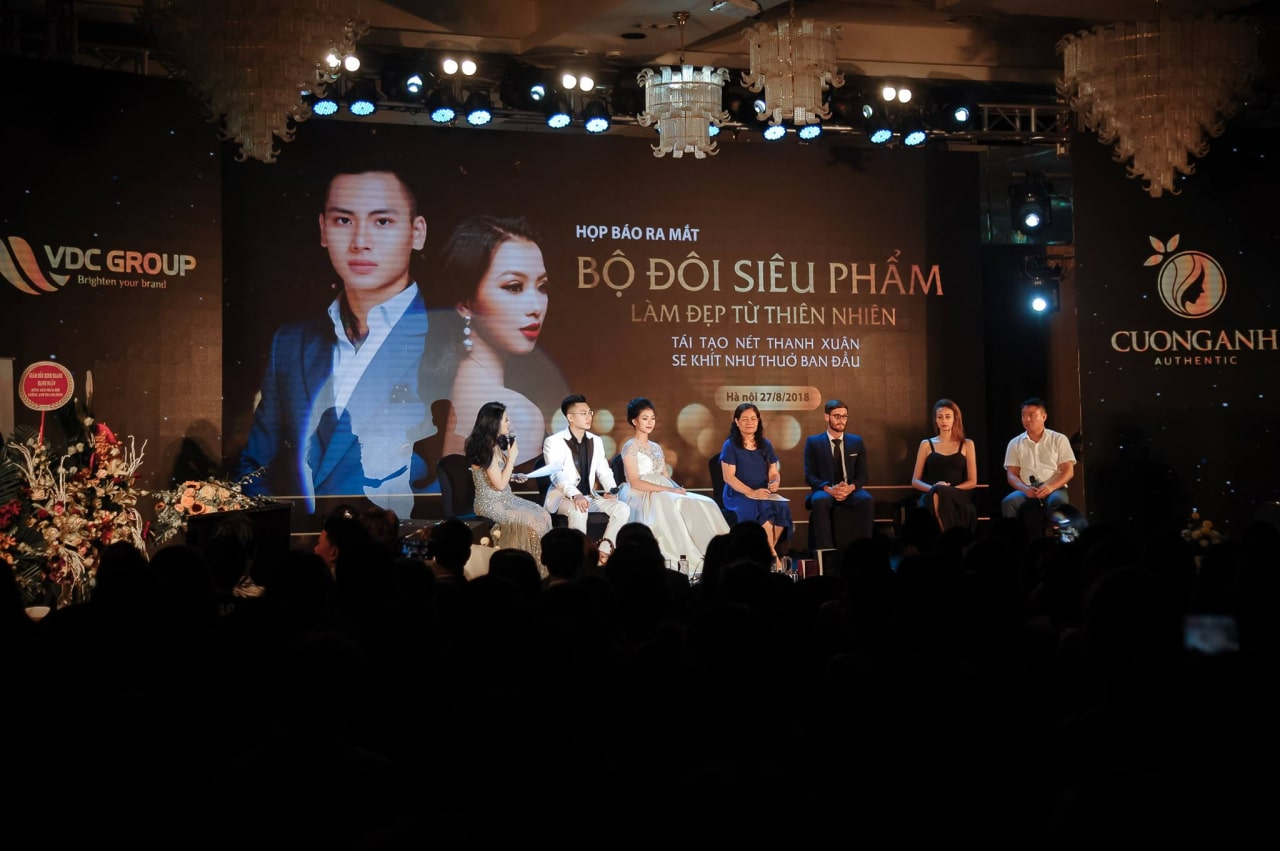
In contrast to traditional advertising and marketing communications, which bombard millions of users through the same mass media, radio or billboards, Event Marketing targets specific individuals or groups at gathering points, in the hope of making an impression on each person.
Event Marketing is an advertising strategy that involves direct contact between brands and their customers at events such as conferences, trade shows and seminars. Every event is different: it has a different audience, different content and a different culture. That is why each one deserves to be marketed in its own way. To succeed, the event marketer of the future needs to stay at the forefront of Event Marketing strategy.
Event Marketing is becoming more and more popular because it lets companies connect with their target audience on a more personal level. It can also be a great way to build relationships and generate leads without any hassle. Although Event Marketing can be expensive, the benefits usually outweigh the costs.
Which Businesses Is Event Marketing For?
If a business can track and identify its target audience, it can find a way to reach customers directly through Event Marketing. For example, a company that sells sporting goods can market those products at sporting events. A company that sells technology products can showcase the latest and best technology at conferences.
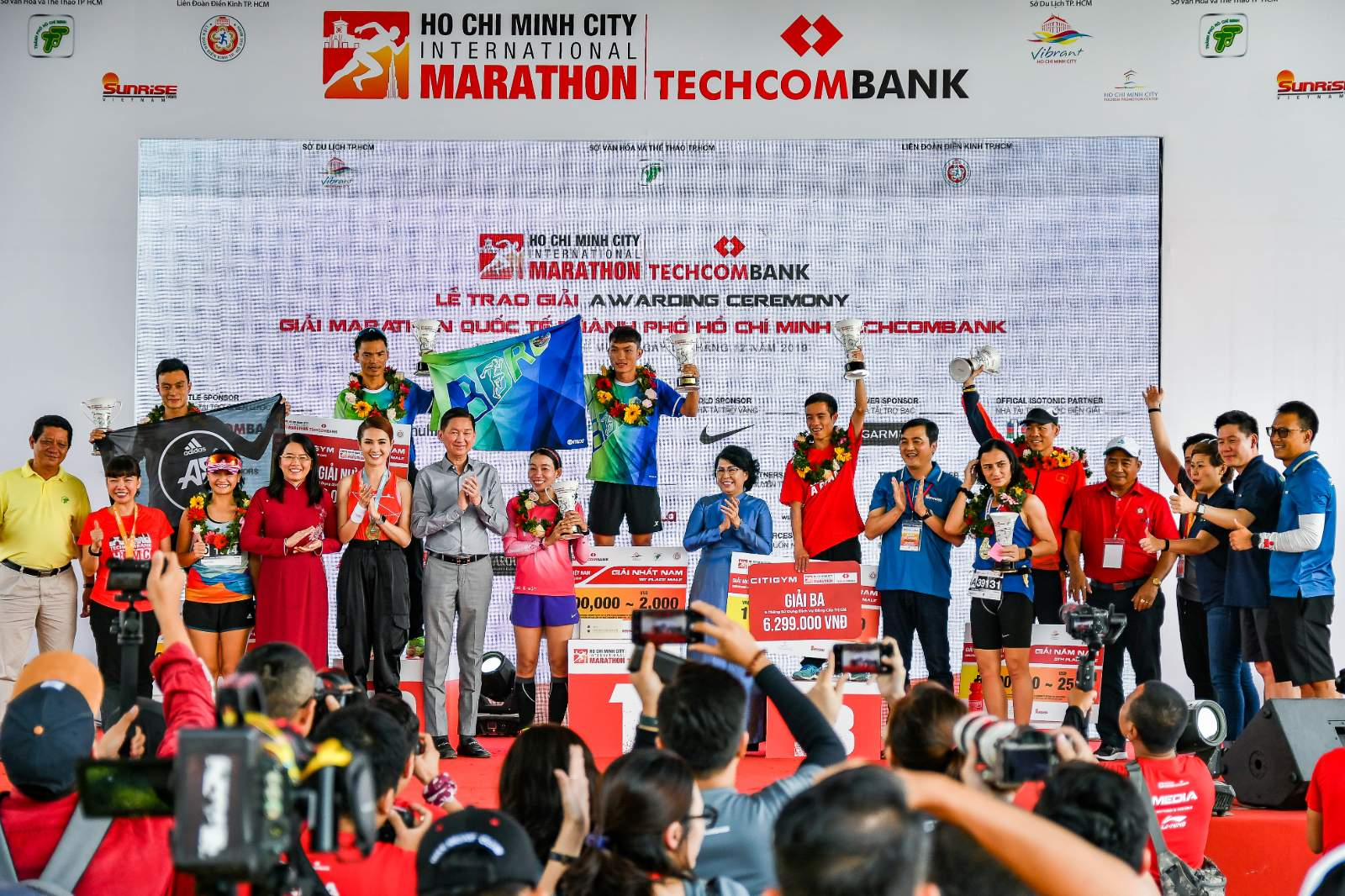
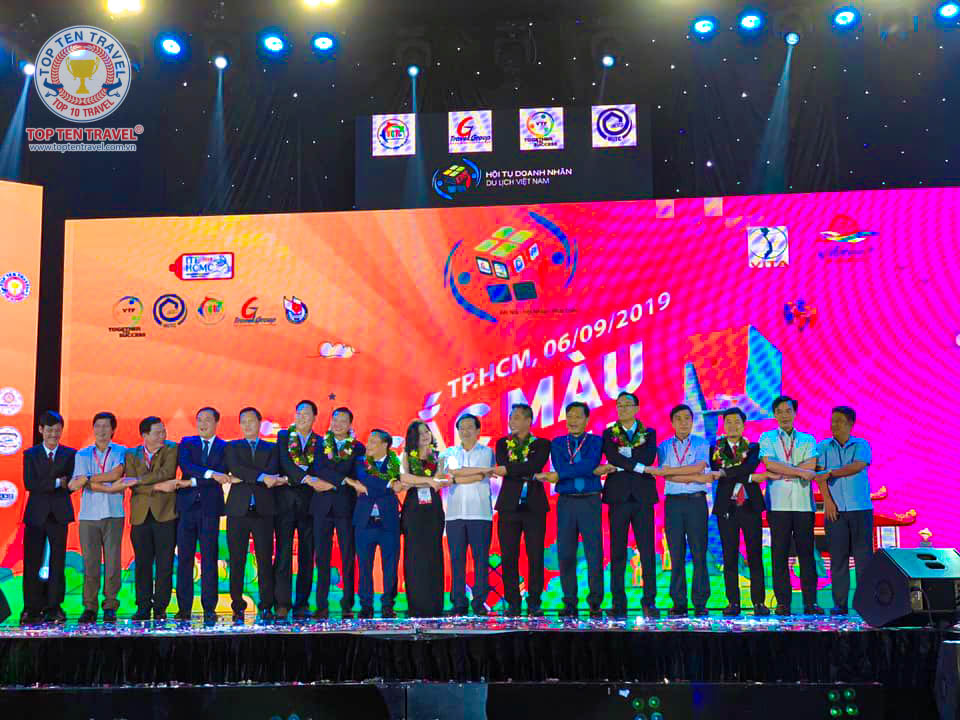
In fact, any company that offers products can hand out samples, as long as it is legal. Even companies whose products can’t be given out as prototypes (such as pharmaceutical companies or doctors’ offices) can still offer consumers an interactive experience. For example, Techcombank has launched its Marathon race over the past several years, drawing attention and leaving a strong brand impression on a large number of users.
Event Marketing should not replace traditional Marketing or community Marketing, but should be a tactic that complements both. For example, if a brand’s national advertising features a famous mascot, that mascot can appear at an event and pose for photos with attendees.
Common Types of Events
Events come in many types and forms, and Events are usually divided into the following three groups.
Corporate Events
Corporate events usually refer to conferences, seminars, grand openings and similar occasions. These events tend to be internal, but they also promote the brand, so businesses care about them a great deal. For example, a grand opening is often the day when a business makes an impression on its customers.
Customer Events
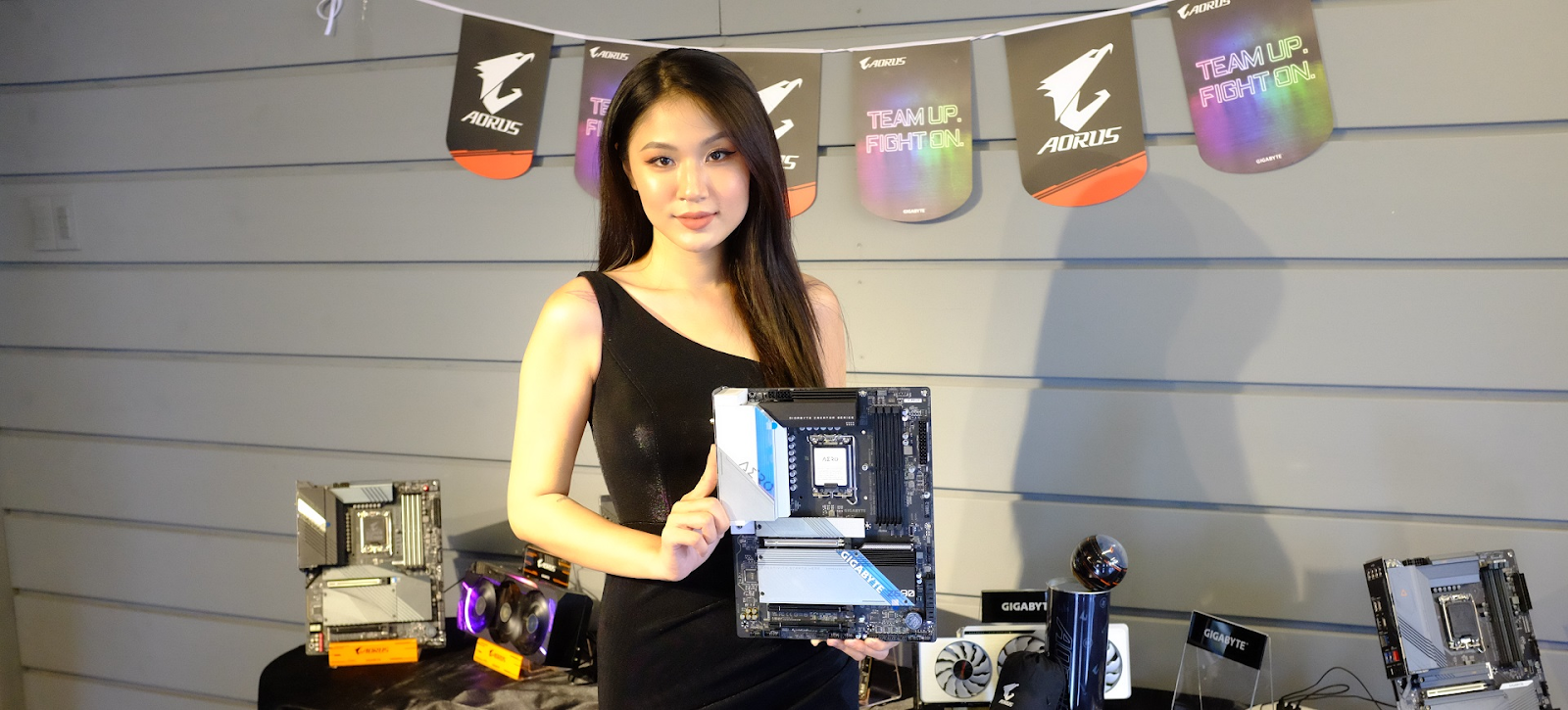
Customer events are usually appreciation gatherings, press conferences or product launches. These are marketing activities for the business. To build the best marketing event, you need forms of advertising and marketing communications such as promotions and gifts for attending customers, which help make the marketing activity effective.
Nonprofit Events
This type usually refers to events with charitable goals or fundraising purposes, and can also take the form of festivals. These events often awaken compassion in the people who take part. A festival is also a day commonly created to promote a brand or a locality. Examples: the Fireworks Festival, the Hung Temple Festival, the Da Lat Flower Festival …
Why Events Matter in Your Marketing Strategy
Event Marketing is an important part of the overall marketing of many companies. It offers excellent advertising opportunities, and it is also a way for brands to connect with the lifestyles, interests and activities of their target customers. Through events, businesses and brands can connect with consumers far more effectively, because that is where people are most receptive to advertising messages.
In addition, companies usually want consumers to take part in their events because attendees make the event more fun and engaging. An event can be a place to hand out samples or share information about products and services, or a place where customers can try the company’s products firsthand.
Events can help you meet your goals, whether that is increasing demand for a product or service, building trust with potential or existing customers, expanding your network or your customers’ networks, or generating revenue from the event itself. With clear goals and a solid plan, events are well worth your marketing investment.
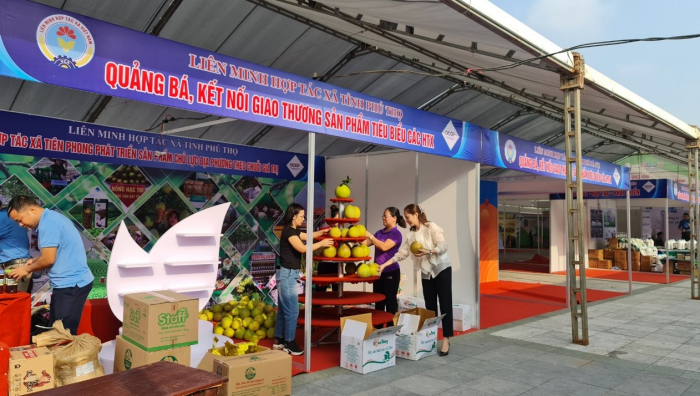
Steps to Run an Event Marketing Campaign
Event Marketing should have clear communication goals that are separate from the other goals you pursue for your business. You can cross-promote (that is, share event information on your company’s mass media channels and vice versa), but the details of your Event Marketing should be an independent strategy and campaign so you can manage your brand successfully.
To organize Event Marketing, you need to know what information you will be marketing. Before going any further, establish your event’s name, theme, brand and purpose. Why should people attend? What will they get? Is your event an extension of your company, or is it an independent brand?
Next, figure out where and when your event will take place. These will probably be the questions attendees ask most often.
Then research and outline your event schedule, such as keynote speakers, breakout sessions, entertainment, and time to gather and network.
You don’t need to lock all of this down before you start promoting your event, but you should at least have an idea of who will be there and what you will offer attendees.
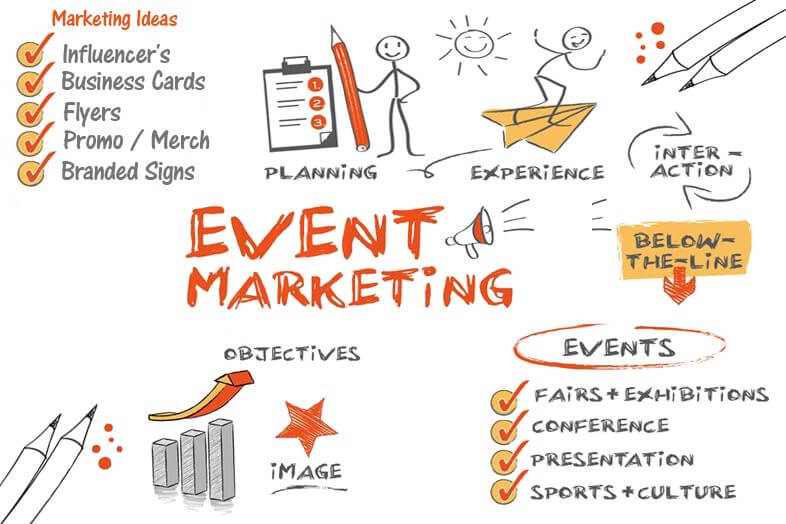
How to Choose Goals for Your Event Marketing Strategy
When setting goals for successful Event Marketing, you need to make sure they are SMART goals. If a goal is too lofty, you will end up disappointed. If a goal is too low, there is nothing worth achieving and you will only get mediocre results from your Event Marketing efforts. If you are not familiar with the idea of SMART goals, read the criteria we outline below:
Specific Goals
When setting event goals, be specific about what you want to accomplish. The clearer your goals are, the closer you will get to achieving them. The “5W1H” question model can help make your goals more specific:
- What – Think carefully about exactly what we are trying to do
- Who – Consider who needs to be involved to reach the goal
- When – Set a timeframe for completion
- Where – Identify the relevant location or event
- Why – What is the reason for the goal?
Measurable Goals
This means a goal must be tied to numbers. Specific goals work better when they are quantified. The “measurable” criterion helps you track and quantify progress toward your goal, so you can then measure its direct impact. To define a measurable goal, ask yourself: “Which metrics will be used to determine that the goal has been achieved?”
Attainable Goals
Remember the difference between ambitious and unrealistic. Make sure you set attainable goals before reaching for distant ones if you don’t want to give up halfway. But that doesn’t mean you should set yourself only an easy goal, because doing so will leave you feeling uninspired and unchallenged.
Relevant Goals
Some goals are very feasible, measurable or specific, yet if they are not highly practical they will still waste the resources of individuals and organizations. Relevance here is reflected in the results a goal delivers at a particular point in time and in a particular context.
Time-Bound Goals
A goal must have a specific deadline when it is set. A deadline is both a milestone for the goal and a motivator for the people responsible for completing it. Without a deadline, the goal will quite obviously go unachieved. That is why setting a reasonable deadline is an important part of the goal-setting process. A deadline that is too far out will make the people involved sluggish and prone to delay, while a deadline that is too short will reduce the effectiveness of the process.

What Metrics Measure the Success of Event Marketing?
When setting KPIs, your goals and desired outcomes are the best place to start. Your goals will guide what you should measure to determine the success of your event marketing. Let’s walk through some of the key metrics below:
Number of Registrations
We recommend tracking and measuring:
- Number of event registrations
- Top registration sources
- When registrations peak
Registration metrics help you measure the success of your Event Marketing because they tell you whether your marketing campaigns are attracting your target audience. You should evaluate the conversion rate from each source of event registrations, whether that is email or social media. The number of registrants is the most important metric for the success of any Event Marketing.
Ultimately, a successful event depends on attendance and revenue. Look at the point in time when registrations were highest, then work out whether registrants at that moment were influenced by any discount campaign or ad launched earlier.
If your event promotion is high quality, reaches many people and sparks enough curiosity, the two numbers (registered versus actually attended) won’t differ by much. Or, if actual attendance at the event is much higher than earlier registrations and exceeds the KPI you set, your event marketing campaign has succeeded beyond expectations. However, if the two numbers are far apart, registrations fall short of your KPI, and attendance is even much lower than the number of earlier registrants, you should revisit your communication design plan and find out why people registered but did not attend.
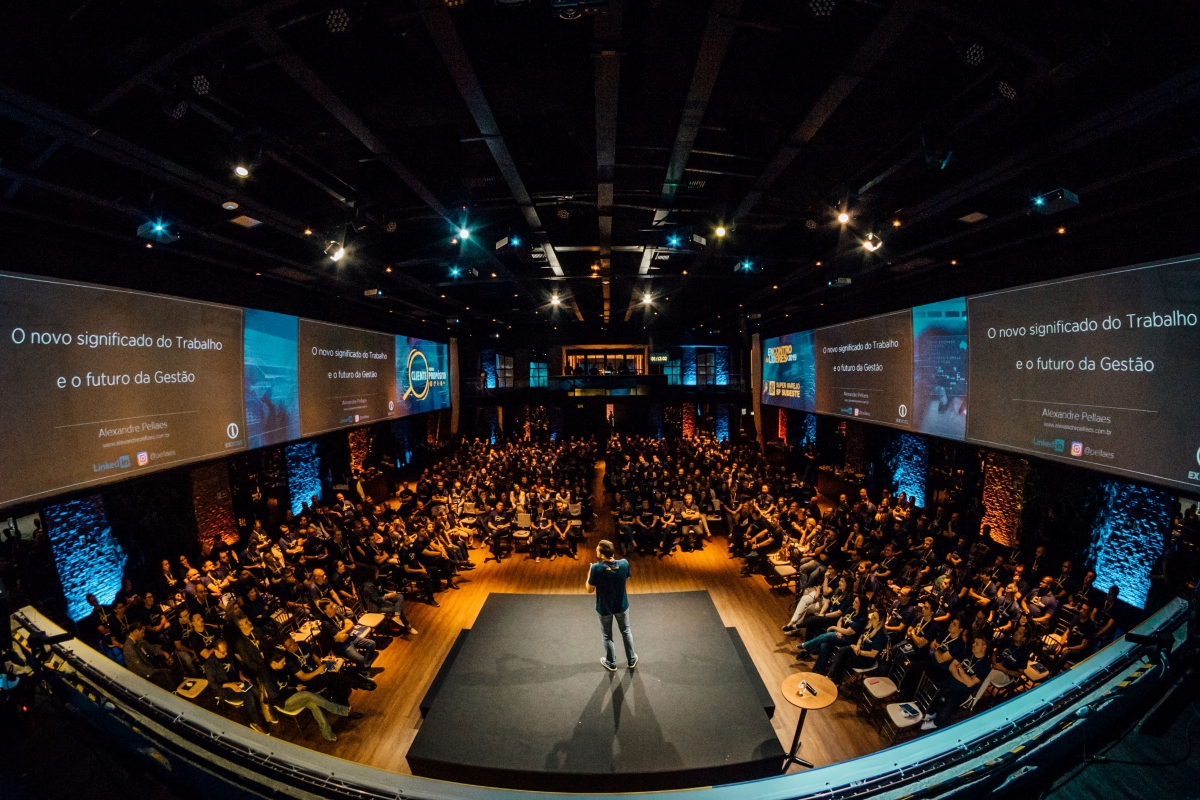
Social Mentions
Tracking social media mentions gives you an excellent KPI for seeing how people talk about your event. Social media management platforms such as Hootsuite let you track social mentions across all social channels, including Instagram, Twitter and Facebook.
Here is how to engage your audience on social media and measure the success of your event:
- Is the event hashtag being used? How many times?
- Are there many brand mentions?
- How many impressions did you get on social media?
- Is there a lot of engagement from event attendees, from posting photos to tweeting their favorite quotes from speakers?
- Are the comments positive?
- Are there any complaints?
Event Surveys
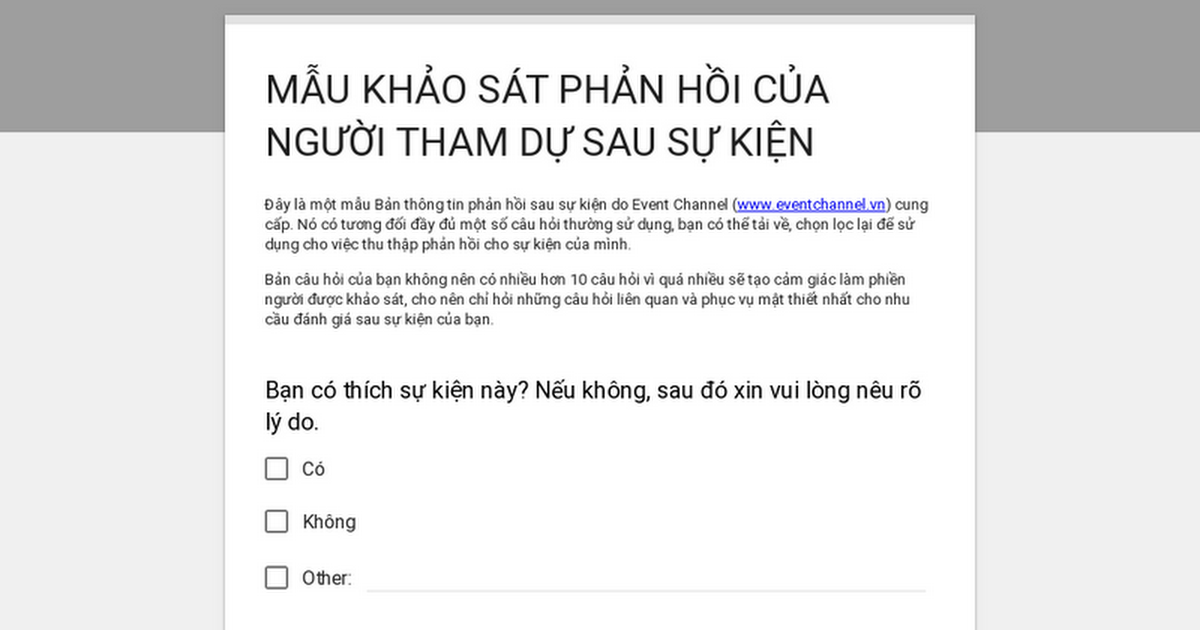
Collecting data through attendee surveys is essential once your event ends. Surveys provide key data for assessing attendee satisfaction at every stage of Event Marketing, specifically:
Before the event: Send pre-event surveys to find out which speakers and sessions your attendees are most excited to see. You can also survey attendees for suggestions on the food and drinks to serve, or options for entertainment and activities.
At the event: Use surveys during your event to learn more about what is working and what needs improvement, so you can make changes quickly.
After the event: Send a post-event survey to learn more about how attendees felt about the event overall, and you can also ask for suggestions to make future events better. You should send different surveys to attendees, sponsors and exhibitors, since each has their own needs and standards.
Attendee Satisfaction
Whatever your specific goals are, all events share one common goal: making attendees happy. But it is important to define clearly how you will determine satisfaction.
Is your goal for the program simply to entertain and bring attendees joy and excitement? Or do you want them to gain some specific knowledge about your product? A great and fairly common way to measure attendee satisfaction is to create a survey for attendees after the event to calculate how satisfied they were. Make sure the questions in the survey are good enough to produce specific figures that can measure customer satisfaction with the event.
Attendee Engagement
Measuring the engagement of your in-person and virtual attendees gives you a key KPI for seeing whether your event sessions, networking opportunities and other activities are right for your event guests.
When measuring engagement, you need to include both social media engagement and in-person engagement at the event. You should also track your target audience’s engagement before, during and after the event to see when it peaks and when it drops. You can measure engagement by counting the questions attendees ask, which opinions are raised by many people, how many people join the activities at the event, or simply how many people know about the event and show interest when it draws them in.
User Contributions (Virtual)
Like overall engagement, tracking user contributions to your event management platform helps you understand attendee engagement by providing data on shares, likes, comments and social media posts; private and group messages; and even data on chats, polls and attendee Q&A sessions.
Total Revenue
If your event sells tickets and earns a profit, total revenue is a very important metric affecting the event’s success. It is also a metric worth digging into, because total revenue can reveal key insights such as which tickets sold fastest, when ticket sales hit the KPI, which booth’s products customers preferred most and, beyond that, whether they were willing to pay any extra costs for a worthwhile experience… From there, you can adjust your strategies to fit customer tastes.
However, if your event is nonprofit, free, and focused only on brand communication, you don’t need to worry about this metric.
Sponsor Satisfaction
Sponsors play an important role in funding all kinds of events and, in return, they gain valuable leads and increase brand awareness and revenue. But to keep sponsors coming back year after year, you need to provide tangible evidence that sponsoring your event is worth their investment.
Sales Qualified Leads (SQLs)
If your event goals involve finding leads for your sales team, you will want to track this KPI. An SQL is a lead that your sales team has qualified as a prospect. Make sure you work closely with your sales department to define the criteria for an SQL before you sort your attendees and hand them off for follow-up.
Don’t overlook this event marketing KPI, because it can generate a lot of new revenue for your business.
Conversion Rate
Conversion rate describes the percentage of users who took a specific action after visiting your website. For example, if one hundred users read a blog post and five of them ask to be contacted by your sales team, your conversion rate for the blog is 5%.
Key Tips for Successful Event Marketing
For any event, whether it is a conference, a seminar or a year-end party,… organizing it takes a lot of time, effort and experience. That is why an event needs to be planned carefully and carried out through a tight organizational process. Here are the key tips to make sure your event goes off successfully.
- Choose the right venue: When choosing a venue for your company’s event, make sure it is close to as many people as possible and easy to reach by transport. This makes things easier for customers and helps you keep costs down.
- Weave sales content into the event with care: When organizing an event, make sure it doesn’t come across as excessively promotional. Instead, weave brand promotion into the event content with care so you don’t put attendees off. Keep your promotional content short and subtle.
- Optimize costs while keeping things convenient: Coming up with ideas and planning in detail, along the right track, from customer care to venue selection, food and drinks, and staffing, will help you save most of your costs while still keeping things convenient for customers.
- Seek and make use of partner sponsorship: Asking partners for investment helps you save most of the cost of a large event. Expand and strengthen your relationships with partners to build goodwill and commitment on both sides.
- Offer plenty of attractive perks and gifts: Creating perks and gifts for event attendees will energize them and give the event a more polished feel. You can consider gifts such as keychains, small souvenirs or promotional vouchers,…
- Refresh your content and combine multiple event formats: When building event content, make sure it is fresh and never boring. Constantly updating your event with new trends will create surprise, give attendees a new experience and build excitement for your future events.

Concepts Related to Event Marketing
Here are some concepts related to Event Marketing that you may want to explore further:
Event Management
Event management means overseeing all the key logistics of an event, whether it is a conference, a seminar, a wedding, a grand opening, an inauguration, an anniversary,… or any other organized gathering. It involves following the plan to deliver the communication messages your target customers require to the people attending the event.
Event Organizer
An “event organizer” is the person responsible for planning, coordinating resources and running the event program. They manage the brand, arranging and directing the work according to the original plan, from ideation, scripting and design to construction and execution.
Any event, large or small, such as a conference, a major concert or a grand opening, .. needs an event organizer. When you arrive at the venue, you get your ticket, check in to your room and have your seat held. Then the MC hosts the program, and singers and dance groups perform one after another. The hall, stage, sound and lighting work well together, with no mistakes and no surprises. Everything runs smoothly thanks to a professional event organizer.
Event Executive
An “event executive” is simply the people who run events, those who are always on site and play an extremely important role in every event. They are compared to artists, using their creativity, care and attention to detail to create the most flawless events possible. These are the people who directly arrange and run the program according to plan to avoid incidents that could affect the event.
Event Planner
An event planner (roughly, the person who plans events) plans and manages the schedule for an entire event, and at some events the event planner is also considered the project manager.
In a broader sense, besides organizing conferences and seminars, event planners also organize other types of events for companies or clients. An event planner creates programs with the purpose and message the company or client wants to convey.
That wraps up the detailed insights from The7 to help you better understand What Is Event Marketing? We also covered the things around Event Marketing that you should know. Using events to promote your brand, trademark and products is extremely necessary in today’s marketing landscape. We hope this article is useful to our readers, especially marketers. Contact The7 if you want to learn more about other types of full-service marketing and are interested in the services we provide.
The7 offers all of the following services:
- Full-Service Online Marketing
- Digital Marketing Services
- Marketing Consulting Services
- Online Advertising Services
You may also want to read these articles:
- What Is Marketing? The 13 Most Popular Types of Marketing in 2023
- What Is a Marketing Mix Strategy? Models Within the Marketing Mix
- The 4Ps of Marketing Strategy: Its Role and How to Build It Effectively
- What Is the 7Ps of Marketing Strategy? A Standard Implementation Process
- The Green Marketing Trend: A Breath of Fresh Air in the Vietnamese Market

Nguyễn Đình
Bảo



As CEO of The7, I am committed to sharing practical, useful knowledge with every reader. Every article on The7 is based on my 7 years of hands-on experience in marketing — Facebook advertising, LinkedIn advertising, Google advertising, and marketing strategy. I hope you take away plenty of insight from these posts and apply it successfully in practice.
Related Articles
Building a Full-Funnel Content Marketing Strategy on LinkedIn
Table of Contents Toggle Why Build Content Marketing for the Full Marketing Funnel? (Why Full-Funnel Content Marketing?)Creating Your Strategy (Creating Your Strategy)Implementing Your Content Strategy (Rolling out your content strategy)Summary...
Designing Creative Content for LinkedIn
Table of Contents Toggle Why Is Good Creative Content So Important? (Why is Good Creative Important?)Key Components of Creative Design (the core elements of creative design)Summary (summary) Why Is Good...
Building an Organic Business Presence on LinkedIn With a LinkedIn Page
Table of Contents Toggle Why Have a LinkedIn Page?Establishing Your LinkedIn PageKeeping Your LinkedIn Page ActiveThe Measure of SuccessSummary About LinkedIn Page (Summary) Why Have a LinkedIn Page? For a...
6 Best LinkedIn Marketing Strategies for B2B in 2026
Table of Contents Toggle LinkedIn 2026: Where B2B Decisions Get MadeStrategy #1 – Why Is LinkedIn the Best B2B Marketing Channel Today?1. Decision-makers are concentrated here2. Users are in work...
7 Social Media Trends for 2026: The Era of Real Value, Real Conversion, and Real People
Table of Contents Toggle Social media is entering the biggest restructuring of the decadeTrend 1: Why is buying directly in-app becoming the new standard for 2026? (On-Platform Conversion)What should businesses...
What Is TikTok Marketing? Effective TikTok Marketing Strategies
TikTok has been topping the global rankings of the most downloaded and most visited apps. That makes it a gold mine for marketers who love creativity. In this article, The7...