


What Is Marketing Mix? Models in a Marketing Mix Strategy
In today’s business world, marketing is considered a decisive factor in whether a product succeeds or fails. One important aspect of a marketing strategy is the Marketing Mix. By combining its elements flexibly, a Marketing Mix strategy creates a complete picture of your product and meets your customers’ needs.
Let’s explore the concept of the Marketing Mix with The7, and see through concrete examples how it can be applied and optimized in businesses today.
1. What Is the Marketing Mix?
The Marketing Mix, also known as mixed marketing, is a term for a comprehensive strategy made up of the tactics and tools used to promote and drive sales of a product. A Marketing Mix strategy also influences and attracts customers so they become consumers or buyers of a business’s products and services.
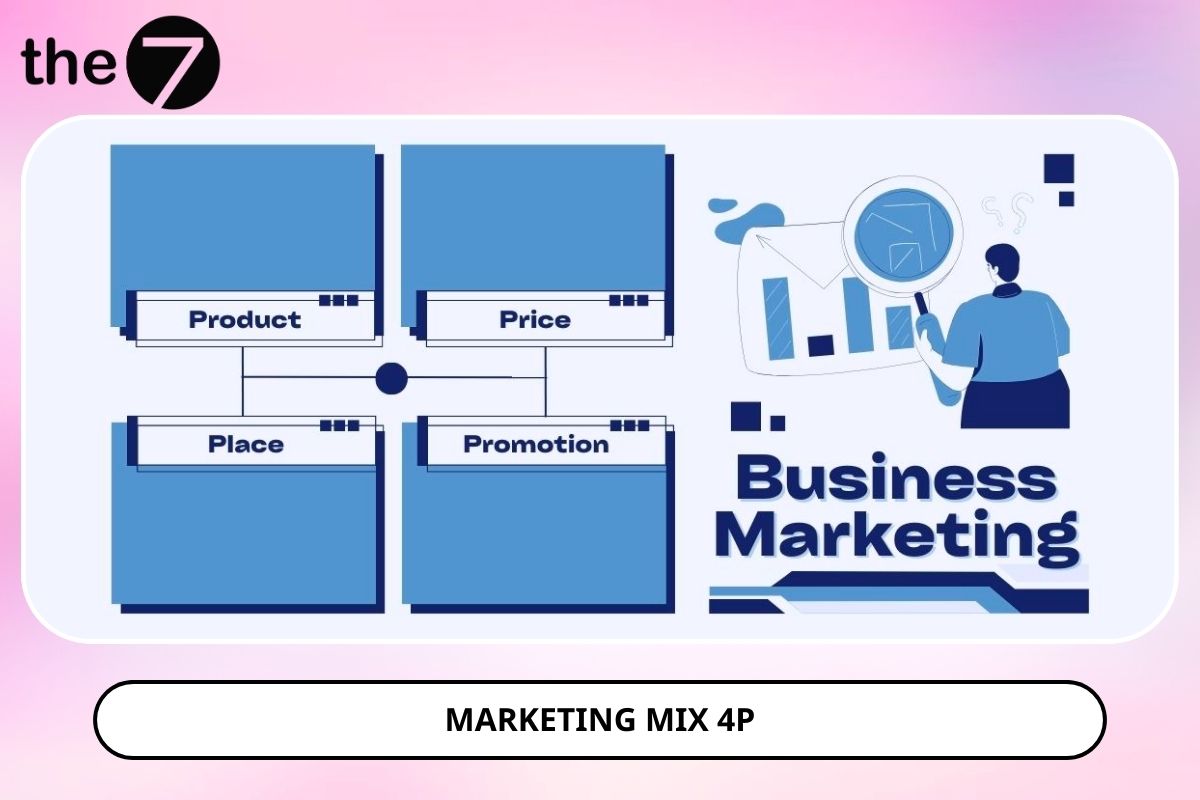
The Marketing Mix is usually classified under the 4P model, which includes:
- Product: The features and benefits of the product or service.
- Price: The pricing strategy and how the value of the product is determined.
- Place (Distribution): The distribution channels and how the product reaches customers.
- Promotion: The promotion and marketing strategy that builds customer awareness and interest.
By combining these elements flexibly, a business can optimize its marketing performance and make a positive impression on customers’ minds, which increases its chances of success in a competitive market.

2. The Role of the Marketing Mix
The Marketing Mix plays a core role in building a comprehensive strategy, especially when you weigh and calculate the factors involved in the marketing process. By optimizing each element of the Marketing Mix, a business can increase the value of its products and services, create a competitive advantage, and improve its ability to attract and retain customers.
Understand and meet customer needs:
- Identify customer needs through market research, surveys, or by listening to feedback.
- Develop products that meet customer needs.
- Price products based on the value they deliver and what customers can afford.
Position your product or service against competitors:
- Make your product or service distinctive and set it apart.
- Create unique products that fit customer needs.
- Choose suitable distribution channels to position the product.
Create a competitive advantage:
- Use the Marketing Mix flexibly to make your product or service distinctive and set it apart.
Example: Develop a high-quality organic fresh milk product, or set a lower price and distribute online to reach a broad customer base.
Increase sales and profit:
- Offer the right product, service, price, distribution, and promotion for your customers.
- Improve your ability to attract and retain customers.
- Increase sales and profit through an effective marketing strategy.
By combining the elements of the Marketing Mix flexibly, a business can create a lasting competitive advantage, strengthen its relationships with customers, and achieve its business goals.
3. What Are the Models in a Marketing Mix Strategy?
The 4P marketing model was the first Marketing Mix model. Since its introduction, it has evolved into the 7P Marketing Mix, which adds three new Ps:
- Process: The business processes and the customer’s experience during the buying journey.
- People: The staff and other human factors that affect service quality and customer experience.
- Physical Evidence: The physical elements and tangible proof of product or service quality.
In addition, a newer trend, the 4C model, is also drawing attention. Let’s look at each of these models in detail with The7 below.
3.1 The 4P Marketing Mix Model
In marketing, the 4Ps refer to Product, Price, Place, and Promotion. Each of these aspects plays an important role in a business’s marketing plan.
3.1.1 The Marketing Mix product model
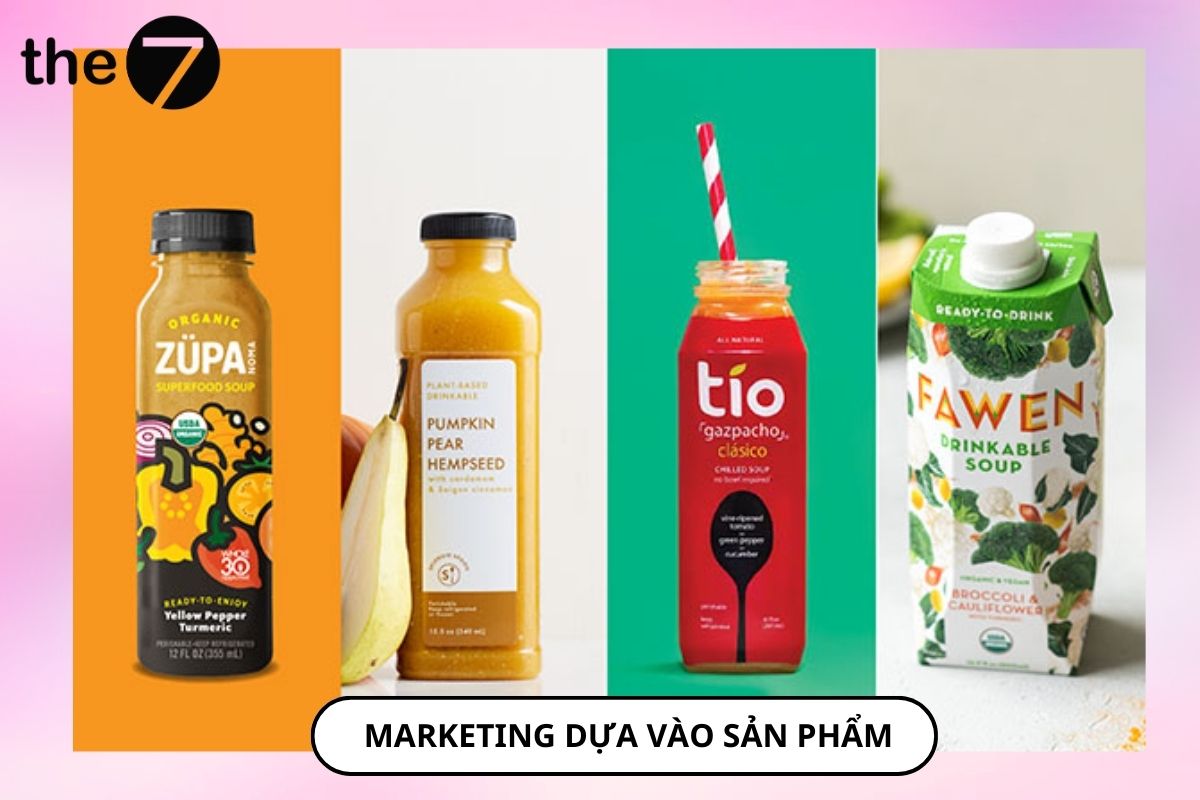
Product in the Marketing Mix represents a product or service designed to meet customers’ needs and wants. To reach the market effectively, it’s important to identify what makes your product or service unique compared to your competitors.
Customers mainly care about one thing: what your product or service can do for them. That’s why it’s essential to optimize your product to make it the best it can be. This approach is called “product-based marketing,” and it covers factors such as design, quality, features, packaging, and more.
The product life cycle has four main stages: introduction, growth, maturity, and decline. To make sure the market is supplied with enough product and customers’ needs are met, a business needs to analyze the product life cycle regularly and answer questions such as:
- What do customers expect from the value of this product or service?
- What is the product or service used for?
- Which product features meet customer needs?
- Which elements of the product should be removed or improved?
- Does the product or service have unique, standout qualities compared with competitors?
- Is this point of difference easy to copy or imitate?
- Does the product or service fit the business’s target market?
- Does the product or service meet the criteria for brand, packaging, and trademark?
This way, a business can keep its product unique and keep improving it to meet the changing needs of customers and the market.
3.1.2 The Marketing Mix price model
Price in the Marketing Mix represents the price of a product or service. In marketing, choosing the right price is important to reach your target market while also achieving your business goals. Pricing models can have a significant impact on a product’s success.
For example, if the price is too high for your target audience, few people may buy the product because it’s out of reach. Conversely, if the price is too low, some people may worry about quality and reject the product out of concern over discounting and reduced potential profit.
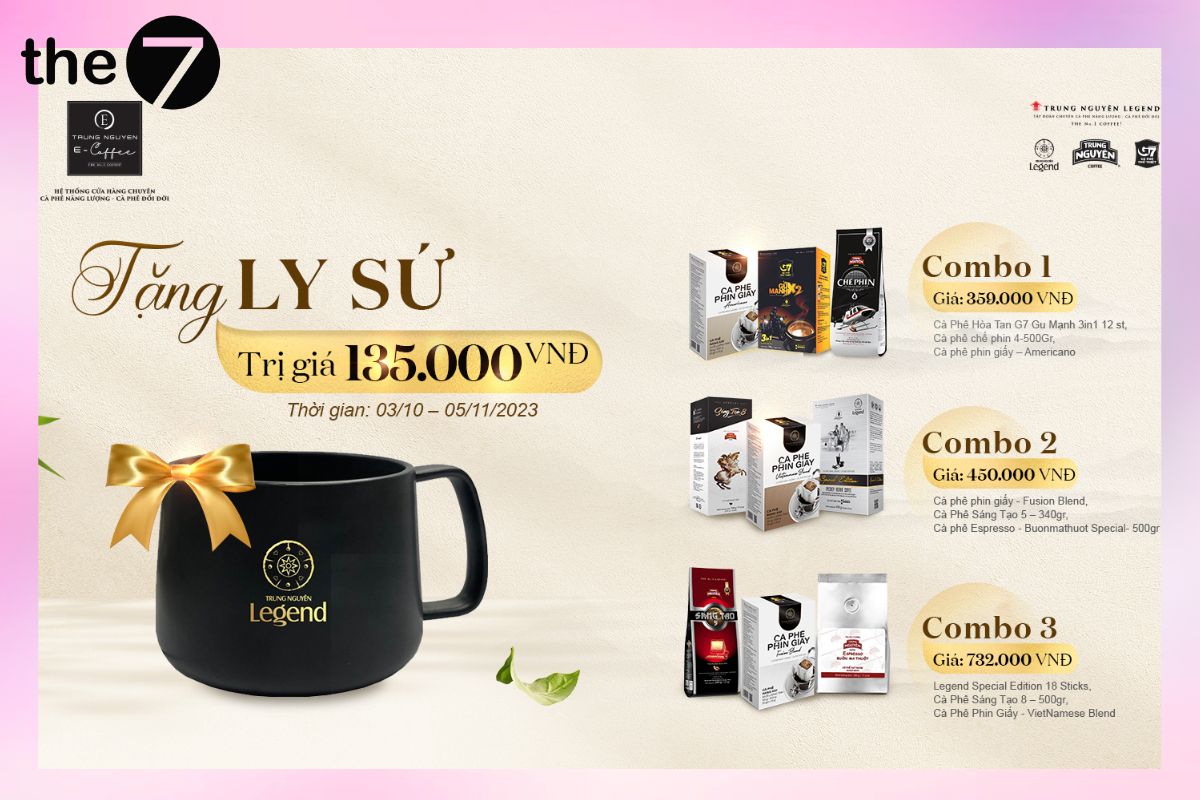
To set an effective price, a business needs to understand its target audience and what they can afford to pay for the product. The questions to answer during price analysis include:
- What factors does the business base its price on?
- Is the price right for the target market?
- Does the price accurately reflect the value of the product?
- Does the price support the business’s other goals?
- What is the competitors’ price range?
- What is the target audience’s price range?
- What price would the target audience consider too high or too low?
There are many common pricing strategies, each suited to a particular type of product or service and to the goals of the overall marketing strategy. They include penetration pricing, price skimming, product line pricing, psychological pricing, combo pricing, competitive pricing, promotional pricing, segmented pricing, geographic pricing, and dynamic pricing.
3.1.3 The Marketing Mix place model
Place in a marketing strategy represents where a business sells its products and the distribution channels used to get them into customers’ hands. Like price, choosing the right place to market and sell your product is key to reaching your target audience. A suitable distribution system helps a business connect with its target audience and achieve its business goals.
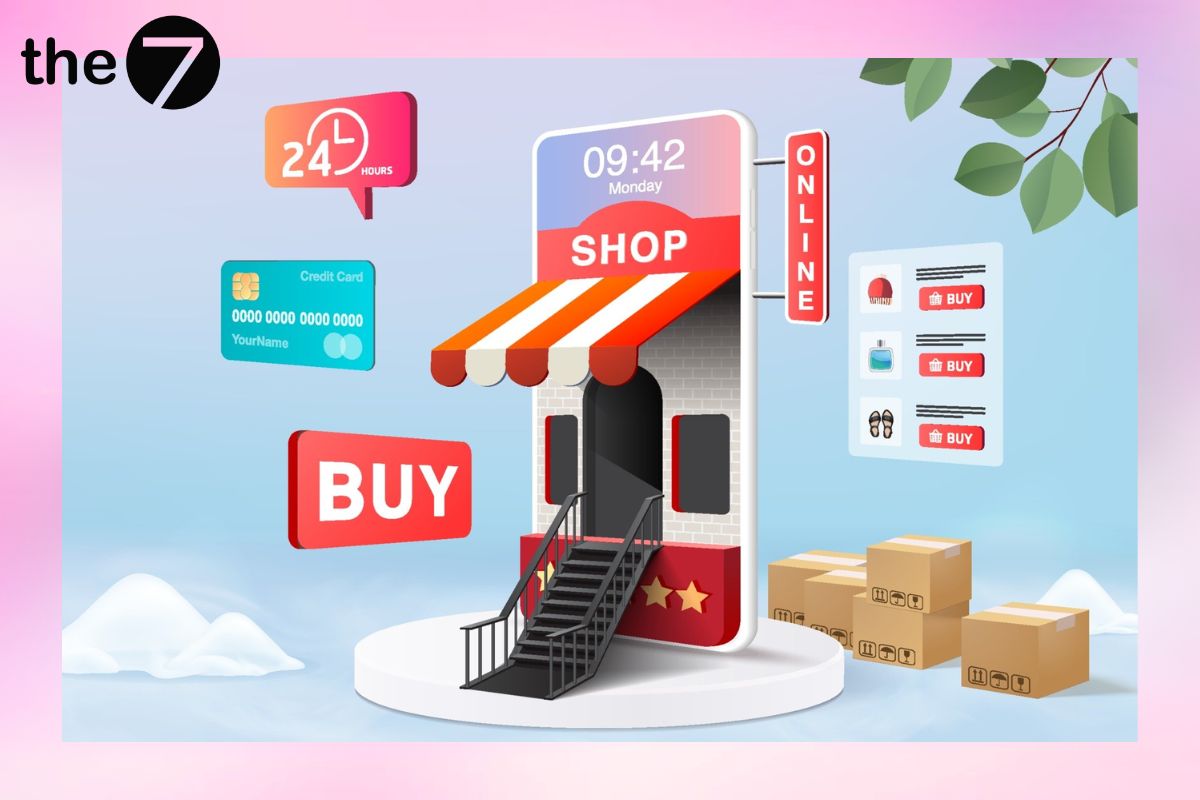
For example, say a business sells sports apparel and accessories to athletes aged 25 to 40. Instead of selling through general fashion stores, it decides to go with specialty sporting goods stores. This way, the business aims its marketing at a specific place that best fits its target customers.
Common distribution strategies today include:
- Intensive distribution: Expand distribution across many retail channels and agents.
- Exclusive distribution: Focus on a few carefully chosen distribution channels to increase exclusivity and control.
- Concentrated distribution: Focus on one specific distribution channel or a few of them.
- Selective distribution: Carefully choose distribution partners to make sure they fit your brand strategy.
- Franchising: Grant partners the right to use your brand and business model.
Some questions a business should consider include:
- Where is the product sold?
- Where does the target audience usually shop?
- Which distribution channel is the most effective for reaching the target audience?
- How many potential customers can the business reach through its current distribution channels?
- How can you meet the needs of customers in different regions?
- Can you compete with rivals in distributing your products and services?
3.1.4 The Marketing Mix promotion tactics model
Promotion represents the methods a business uses to promote its product or service in order to build awareness and attract its target audience. There are many ways to promote a product, from traditional methods such as print and TV advertising to the online marketing campaigns of today’s digital age, including content marketing, social media, email marketing, SEO, SEM, and more.
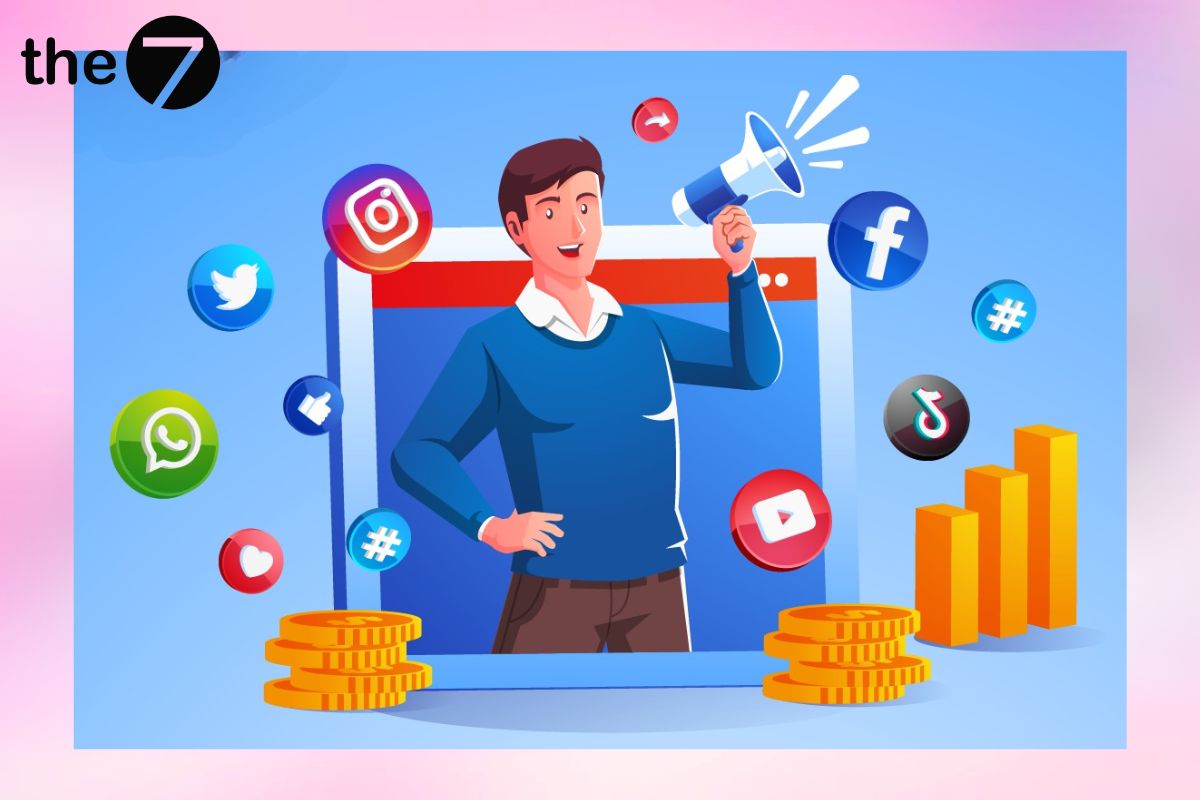
Many online marketing channels can promote a product, such as social media, SEO, and SEM
There are five common promotion tools in use today:
- Advertising: Use media such as newspapers, TV, radio, or online channels to deliver your marketing message.
- Sales promotion: Create promotions, discounts, or special offers to stimulate purchases and attract customers.
- Public relations (PR): Build positive relationships with the community, the press, and partners to strengthen your brand image and credibility.
- Personal selling: Use salespeople to interact directly with customers, providing detailed information and product advice.
- Direct marketing: Send advertising messages straight to your target audience by email, phone, or other channels.
When running an advertising campaign, there are a few questions to analyze:
- When is the best time to reach the target audience?
- Which channel is the most effective for the target audience?
- Which marketing message will resonate most with the target audience?
- Which advertising method will be the most persuasive for the target audience?
3.2. The 7P Marketing Mix Model
The 7P marketing model is an expanded version of the traditional 4P model, adding the innovation and influence of technology in the business world.
3.2.1 The Marketing Mix people model
The People element of the Marketing Mix refers to the individuals who influence the marketing process, including:
- Customers: These are the people who buy and use a business’s products or services. Customers are the audience your marketing strategy is aimed at, in order to create value and increase sales.
- Employees: As the people in direct contact with customers, employees play an important role in creating a positive customer experience. Training employees and managing their behavior and attitude contribute to consistent marketing activity and brand messaging.
- Distributors: Partners involved in getting products or services to customers. Distributors can include retailers, wholesalers, agents, and so on. They are the main distributors who carry products from the business to consumers.
- Partners: Partners who work with the business on marketing activities. They can be media companies, nonprofits, or community organizations that help create and spread the marketing message.
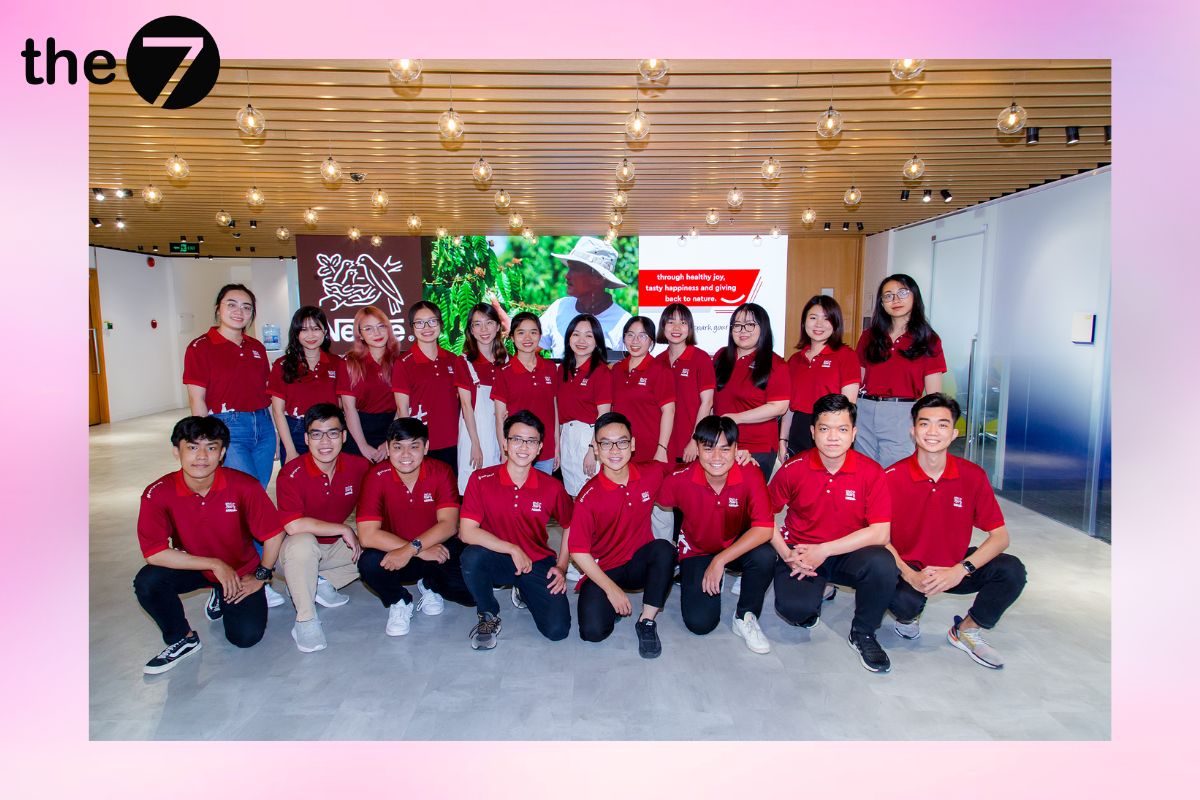
A business needs to understand these individuals and how they relate to the marketing process in order to build effective strategies. The People element was added to the Marketing Mix to reflect the evolution of marketing in the digital era.
In today’s age of digital transformation, customers hold more and more power, and they can share information with each other easily. That makes it all the more important for businesses to pay attention to customers, build good relationships with them, and listen and respond appropriately to their feedback.
3.2.2 The Marketing Mix process model
Business processes and workflows are increasingly an important part of the modern marketing mix, especially as user experience becomes more prominent. A business process covers how a company fulfills orders, and the choice between standardizing a popular product or customizing and personalizing the sales process can affect the marketing message and the tools you need.
Process isn’t simply how a business organizes its work. It also shapes the user experience and how convenient it is for users to find products and complete transactions. This becomes essential in online selling. If finding the right product and completing the payment steps is difficult, customers may not only get frustrated but also be less likely to come back next time.
3.2.3 The Marketing Mix physical evidence model
Physical evidence is what you see and feel when you walk into a store or visit a shopping website. Product packaging is often the main highlight of physical evidence, together with the store layout, space, and signage. A store with an inviting facade, the right colors, and clear signage can boost its appeal to customers.
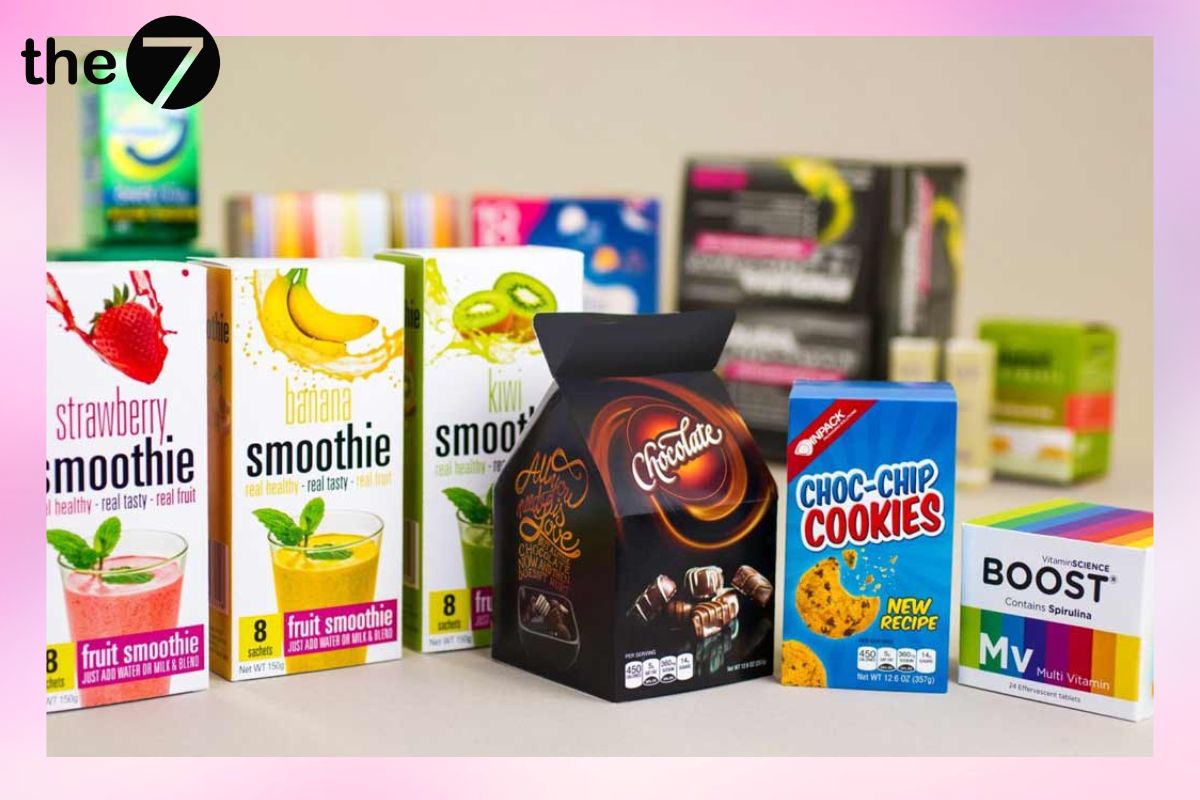
In online selling, product packaging and website design become physical evidence that potential customers can easily access. Both influence how they judge the quality of the product and the business’s brand. They create a first impression and can strongly affect customers’ purchasing decisions.

3.3 The 4C Marketing Mix Model
The 4C model doesn’t just emphasize increasing sales. It also puts strong focus on meeting customers’ needs and wants. The model breaks down as follows:
3.3.1 Customer Solutions
Customer Solutions is the first point of the 4C Marketing Mix, and it focuses on providing solutions that meet customers’ needs and wants. To understand better what customers really need and want, businesses typically conduct market research and target audience analysis.
More importantly, listening to customer feedback and tracking market trends is the key to making sure the products and services you offer always meet real needs. This helps a business stay flexible and adapt quickly, while building strong relationships with customers. In this sense, Customer Solutions is not just a business strategy but a flexible and effective approach to connecting with what customers truly need.
3.3.2 Customer Cost
Customer Cost is an important factor for assessing the true value of a product or service to the customer. It focuses on the costs customers bear on top of the official price in order to use a business’s product or service.
For example, when a customer buys a smartphone, they face many costs beyond the purchase price of the phone. These include the time spent researching the product, shipping costs if they buy online, and the effort of carrying the product home. All of these costs add up to the Customer Cost and shape the customer’s overall perception of the value of the product or service. Smart businesses pay attention to these costs to better understand the customer experience, and they can adjust their pricing strategy or improve other factors to minimize the cost to customers.
3.3.3 Convenience
Convenience is an important factor in the 4C Marketing Mix because it helps a business create products or services that are easy for customers to access and use. When a product or service is designed to be convenient, customers are more likely to buy and use it.
To improve Convenience, a business can do the following:
- Design products or services that are easy to find and buy.
- Offer multiple purchasing channels, both online and in person.
- Optimize the buying and usage process so it is simple and fast.
- Provide excellent customer service to support customers and keep them satisfied.
These improvements don’t just make things more convenient. They also make customers more likely to choose you and be satisfied. Creating a convenient experience while reducing complexity in the buying process is the key to attracting and retaining customers.
3.3.4 Communication
Communication in the 4C Marketing Mix refers to how a business interacts with its customers. It includes activities such as marketing, PR, sales, and customer service. The goal of Communication in the 4C Marketing Mix is to build relationships with customers, establish trust and credibility, and attract and retain customers.
The key principles of Communication in the 4C Marketing Mix include:
- Listen to customers: This puts the customer at the center of the communication process. Careful listening helps a business understand customers’ needs, wants, and feedback.
- Convey value: Communication isn’t only about advertising a product. It’s also about conveying the real value that the product or service brings to customers.
- Build relationships: Communication plays an important role in building and maintaining strong relationships with customers. Ongoing interaction between a business and its customers can create a sense of commitment and loyalty.
- Use the right media channels: A variety of channels, from TV and online ads to social media and email marketing, helps a business reach customers effectively, depending on the characteristics and preferences of the target audience.

5. An Example of Setting Up a Marketing Mix Model for a Business
Here is a more detailed analysis of McDonald’s 7P Marketing Mix strategy:
- Product: McDonald’s has a diverse menu of popular fast-food products. This variety helps it attract a wide range of customers. Signature items such as the hamburger and cheeseburger have become icons of the McDonald’s brand and drive strong brand awareness.
- Price: McDonald’s pricing strategy emphasizes competitive prices to attract many different customer groups. Its pricing approach is flexible, with prices adjusted based on factors such as transportation and local costs.
- Place: McDonald’s has built a vast network of stores in many countries, from urban to rural areas, ensuring convenience and easy access for customers. Home delivery and 24/7 opening hours at some stores improve accessibility and convenience.
- Promotion: McDonald’s uses a range of media to advertise, including TV, newspapers, magazines, and the internet. Its promotional campaigns usually include offers and deals that generate excitement and encourage purchases.
- Processes: McDonald’s processes are designed to ensure transparency and speed in preparing food in front of customers. Customers can watch the entire food preparation process, which builds trust and encourages their participation.
- People: McDonald’s is not only a large employer but also focuses on training and developing its staff. Employees are trained to provide friendly, professional service, creating a positive experience for customers.
- Physical Evidence: The McDonald’s store environment is designed to give an impression of being clean, comfortable, and inviting. Attractive interiors and thorough hygiene create a positive real-world experience for customers when they visit a store.
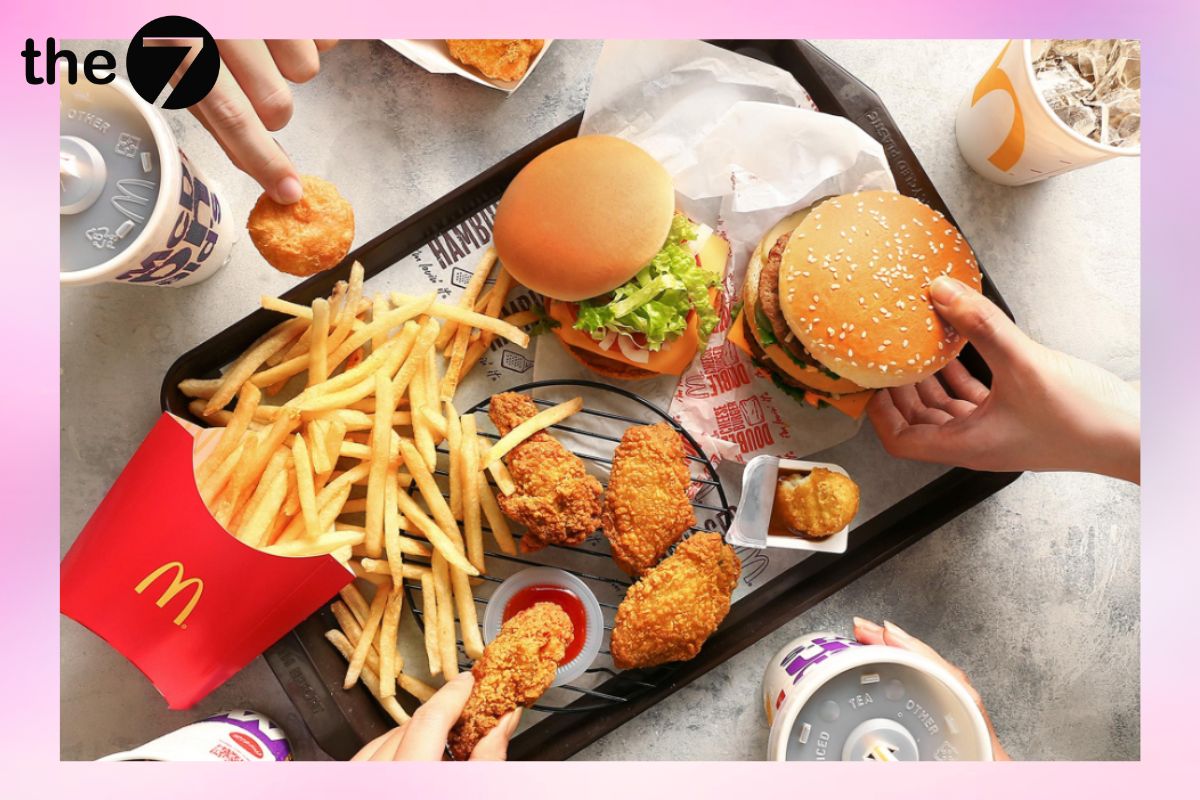
Together, these strategies form a harmonious, integrated system that helps McDonald’s sustain and expand its market in the fast-food industry. The 7P strategy helps McDonald’s adapt to the diverse needs of customers and keep its brand appealing in the global market.
6. Frequently Asked Questions About Building a Marketing Mix Strategy
Question 1: What is the most important element of a Marketing Mix strategy?
In a Marketing Mix strategy, every element plays an important role, but experts especially regard Product as the most important foundation. A product not only delivers the core value but is also the starting point for developing the other elements of the strategy, creating a complete link between the business and its customers.
Question 2: What is the most effective pricing strategy?
Today, there are 3 widely used pricing strategies that businesses can apply, depending on the specific characteristics of the product, the business goals, and market conditions:
- Neutral Pricing:
Set a stable price that is neither too high nor too low, in order to keep a balance between product quality and the value customers receive.
Suitable for products or services facing strong competition that don’t want to disturb the market too much.
- Market Skimming Pricing:
Set a high price at first, then lower it gradually as the product becomes more popular.
Suitable for new, unique, or especially valuable products, to take advantage of a competitive edge and attract customers who are willing to pay a high price.
- Market Penetration Pricing:
Set a low price at first to quickly capture the market and attract a large number of customers.
Suitable for products that want to establish a strong presence in the market quickly and face high competition.

Question 3: What role does the product life cycle play in building a Marketing Mix strategy?
To build and implement an effective Marketing Mix, a business needs to approach each stage of the product life cycle on its own terms. Focus on taking advantage of the strengths and facing the specific challenges that each stage brings. Flexibility and a readiness to adapt will help a business sustain and grow profit under any market conditions.
The full life cycle of a product typically goes through four main stages:
- Introduction stage:
The product is introduced to the market for the first time.
It requires heavy investment in marketing to build awareness and attract customers.
- Growth stage:
The product starts to gain attention and grows quickly.
You need to ramp up supply to meet rising demand from the market.
- Maturity:
The product reaches the peak of its popularity.
You need to maintain quality and look for ways to hold your market.
- Decline stage:
Customer interest drops and sales fall.
You need to rethink your strategy, and you may refresh the product or change your marketing to deal with the decline.

Question 4: What should you keep in mind when carrying out a Marketing Mix strategy?
When implementing Marketing Mix strategies, a business needs to pay attention to the following points:
- Define the right goals and target customers:
A Marketing Mix strategy should be built around the business’s specific goals and target customers.
Understanding customers’ needs and wants is the key to proposing suitable solutions.
- Optimize the elements of the Marketing Mix:
The elements of the Marketing Mix need to be optimized to create a unified and effective whole.
Review and adjust your strategy regularly to respond to market conditions and changes in customer needs.
- Use modern technology:
Apply data analytics tools and marketing automation to collect customer information effectively.
Use technology to optimize your advertising and improve the customer experience
Although there are many different Marketing Mix models, the 4Ps are still regarded as the most popular and an important foundation for building a successful marketing strategy. As you develop your marketing mix, it’s important to consider how each element affects the others, in order to create a unified experience for consumers.
If you need a Marketing Mix strategy consulting service for your business, or advice and support on other marketing issues, contact The7 today through our hotline 084.397.77.77 or our website.
>>> See more related articles:
- Common marketing goals you should know in 2024
- A guide to building a marketing strategy for a product
- How to build an effective SWOT model
- Concentrated marketing: what is it?
- 7 effective digital marketing strategies for 2024
- Event Marketing: what is it?
- What is green marketing? Apply Green Marketing effectively in 2024

Nguyễn Đình
Bảo




As CEO of The7, I am committed to sharing practical, useful knowledge with every reader. Every article on The7 is based on my 7 years of hands-on experience in marketing — Facebook advertising, LinkedIn advertising, Google advertising, and marketing strategy. I hope you take away plenty of insight from these posts and apply it successfully in practice.
Related Articles
Building a Full-Funnel Content Marketing Strategy on LinkedIn
Table of Contents Toggle Why Build Content Marketing for the Full Marketing Funnel? (Why Full-Funnel Content Marketing?)Creating Your Strategy (Creating Your Strategy)Implementing Your Content Strategy (Rolling out your content strategy)Summary...
Designing Creative Content for LinkedIn
Table of Contents Toggle Why Is Good Creative Content So Important? (Why is Good Creative Important?)Key Components of Creative Design (the core elements of creative design)Summary (summary) Why Is Good...
Building an Organic Business Presence on LinkedIn With a LinkedIn Page
Table of Contents Toggle Why Have a LinkedIn Page?Establishing Your LinkedIn PageKeeping Your LinkedIn Page ActiveThe Measure of SuccessSummary About LinkedIn Page (Summary) Why Have a LinkedIn Page? For a...
6 Best LinkedIn Marketing Strategies for B2B in 2026
Table of Contents Toggle LinkedIn 2026: Where B2B Decisions Get MadeStrategy #1 – Why Is LinkedIn the Best B2B Marketing Channel Today?1. Decision-makers are concentrated here2. Users are in work...

7 Social Media Trends for 2026: The Era of Real Value, Real Conversion, and Real People
Table of Contents Toggle Social media is entering the biggest restructuring of the decadeTrend 1: Why is buying directly in-app becoming the new standard for 2026? (On-Platform Conversion)What should businesses...

What Is TikTok Marketing? Effective TikTok Marketing Strategies
TikTok has been topping the global rankings of the most downloaded and most visited apps. That makes it a gold mine for marketers who love creativity. In this article, The7...