


What Is a Marketing Strategy? 7 Steps to Build an Effective One in 2024
A marketing strategy plays an extremely important role in a business’s success. It is the guiding compass for every marketing activity, helping businesses reach their business goals and grow sustainably. So what is a Marketing strategy? How do you build a proper marketing strategy? Check out this article shared by The7 experts – a company with 8+ years of experience in the field.
Check out the services of The7’s marketing services company
What Is a Marketing Strategy?
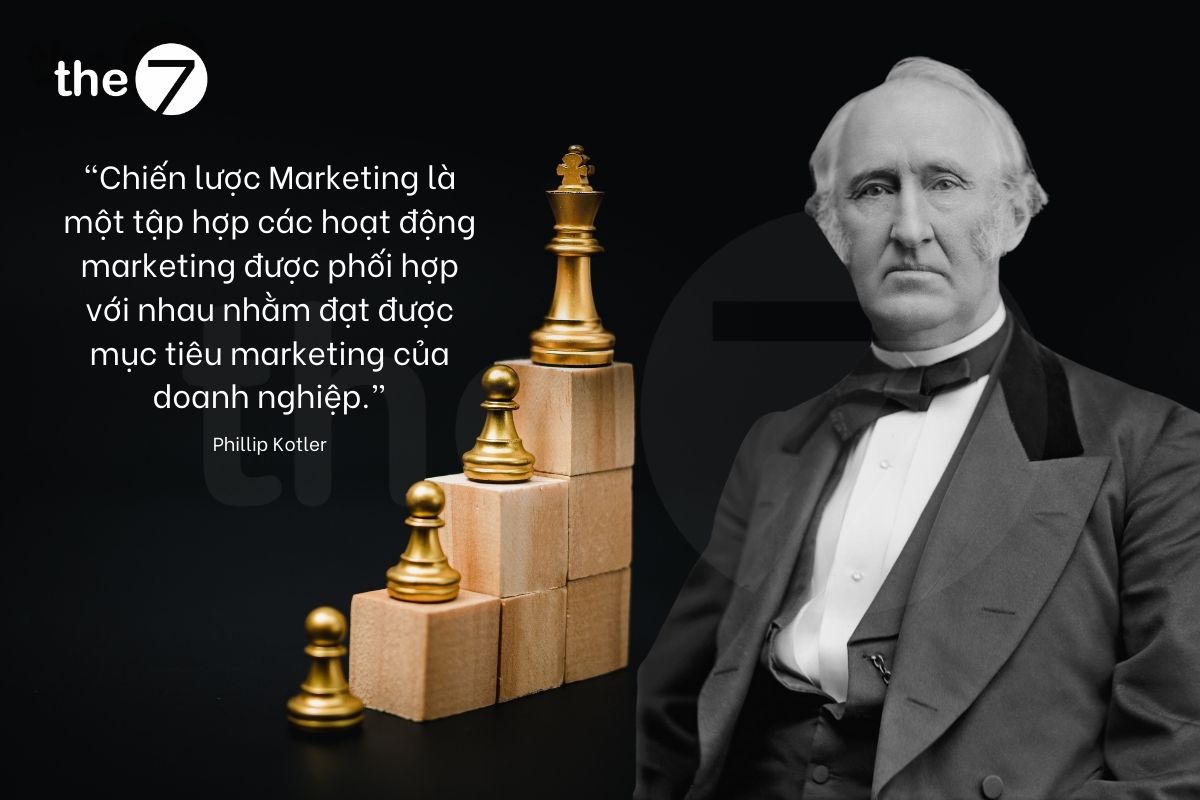
According to Philip Kotler – the father of modern marketing, the definition of Marketing Strategy is as follows: “A marketing strategy is a set of marketing activities coordinated with one another to achieve a business’s marketing objectives.”
This definition includes 3 key elements:
- Marketing activities: All the activities a business carries out to attract customers, such as market research, product development, advertising, sales, etc.
- Coordination: Marketing activities need to be coordinated effectively with one another to create the strongest possible impact.
- Marketing objectives: Businesses need to clearly define their marketing objectives before building a strategy. This could be a goal of increasing brand awareness or boosting revenue, depending on the business’s stage of development.
It can be said that a marketing strategy is an important tool that helps businesses succeed in a competitive market. Businesses need to build a Marketing strategy suited to their target market, customer needs and their own competitive capabilities. This is also seen as a “stepping stone” that helps bring products/services to target customers and increase revenue for the business.
>>> You may also want to read:
- What is overall marketing? Its role and how to build a proper plan for 2024
- What is Marketing? 13 of the most popular forms of Marketing in 2024
The Importance of a Marketing Strategy
A marketing strategy plays an extremely important role in a business’s success. It is the guiding compass for every marketing activity, helping businesses achieve their business goals effectively. Below are some of the key benefits of a marketing strategy:
Boosting Brand Awareness and Credibility
Brand awareness plays an important role in consumers’ purchasing decisions. Implementing a marketing strategy helps businesses expand their reach to current and potential customers, thereby strengthening brand awareness and credibility in their minds.
Managing Budget Effectively
In the era of 4.0 technology, using social media and e-commerce platforms such as TikTok and Facebook has become commonplace. An effective marketing strategy helps businesses manage their budget flexibly, cutting costs on channels that aren’t delivering results, and allowing small businesses to compete on equal footing with larger competitors.

Strengthening Customer Engagement
Customer engagement is an important metric for measuring the effectiveness of a marketing strategy. The right marketing strategy helps attract and retain customers, gather important information such as email addresses and phone numbers, and thereby strengthen the relationship between customers and the business.
Enhancing Brand Image
Marketing helps promote the brand’s image in a positive way. A strong marketing strategy with a long-term vision not only contributes to the business’s sustainable growth but also helps the brand become widely known and loved.
Through a marketing strategy, businesses can build a close bond with customers, thereby creating a community of loyal customers and raising the brand’s value in the market.

8 Basic Types of Marketing Strategy
To plan, execute and manage a strategy effectively, you first need to understand the basic groups of Marketing strategy. These include: Segmentation, brand positioning, product, competitive, content, customer loyalty, direct marketing and digital.
Segmentation Marketing Strategy
This strategy is divided into 3 segments: differentiated, concentrated and mass:
Mass Marketing
Mass marketing (Undifferentiated Marketing), or simply put, marketing for everyone, is when a business advertises its product or service to a very broad market without focusing on any specific segment. The goal is to send a single message to as many people as possible, cutting costs and boosting brand recognition. For example, products like soft drinks fit this strategy well because they’re widely consumed.
Differentiated Marketing
Differentiated marketing (Differentiated marketing) aims to attract several different market segments by creating dedicated advertising campaigns for each group. Businesses conduct thorough research to understand the needs and preferences of each segment, thereby optimizing revenue. This strategy requires a higher budget, since it needs more research and customization.
Concentrated Marketing
The concentrated marketing strategy (Centralized Marketing Strategy) is a strategy in which a business pours all its resources into serving one specific market segment. This allows small businesses to compete by becoming experts in a particular field. While it offers the opportunity to build a loyal customer base, this strategy also carries high risk if that market segment declines.

Brand Positioning Marketing Strategy
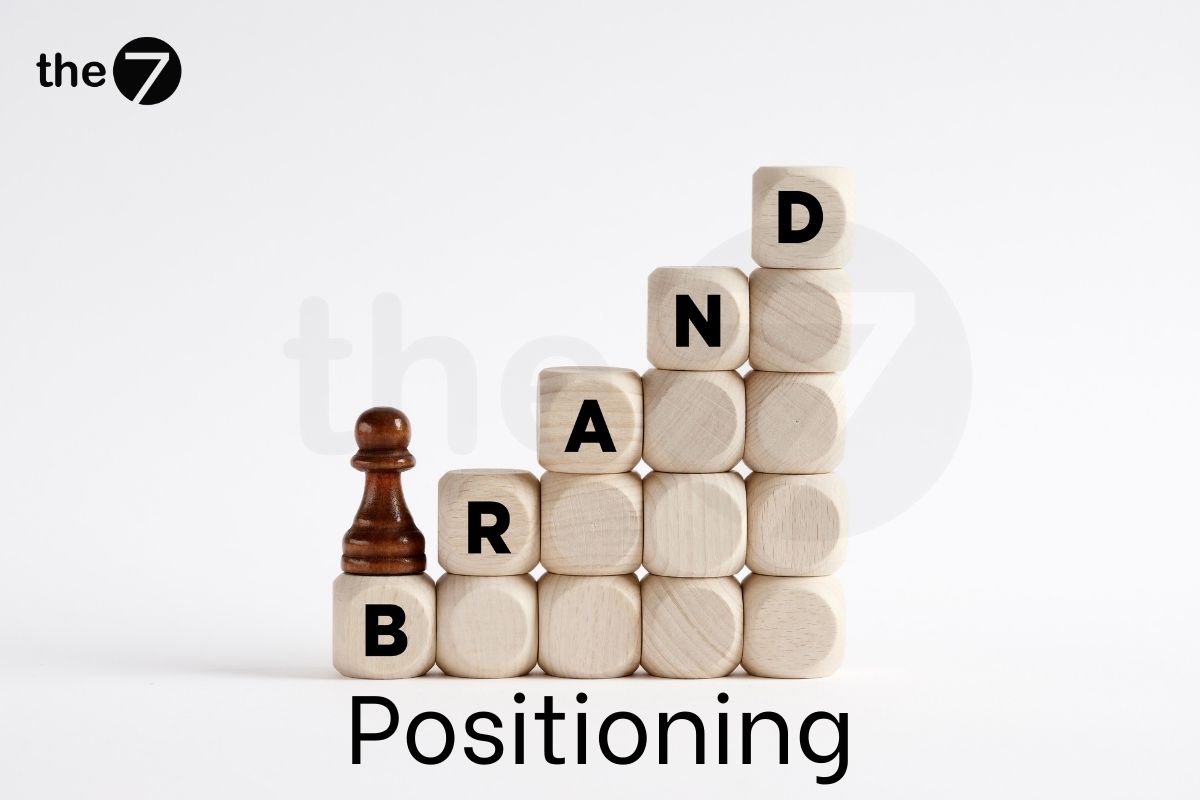
Brand positioning (Brand Positioning) is a strategy aimed at establishing a unique place for the brand in target customers’ minds. Positioning marketing includes:
- Benefit: Based on the benefits the service and product bring to customers.
- Category: This can be understood as claiming the top spot in a particular field.
- Price, quality: Positioning based on the quality of the service/product along with different pricing.
- Application: The way a service is used or applied according to its own way of operating.
- Attribute: In other words, positioning based on distinctive attributes.
- Competitor: Positioning by comparing against competitors’ services – a classic marketing strategy.
So with a positioning Marketing strategy, the company needs to clearly identify its intended goal – that is, whether it is positioning the company, the brand, or the consumer.
Product Marketing Strategy
Marketing mix, also known as the combined marketing strategy, is a popular method that businesses use to attract target customers. It consists of 4 basic elements:
- Product: Assessing the product’s strengths and weaknesses versus competitors, in order to highlight its competitive advantages.
- Price (Price): Reviewing competitors’ pricing to set a suitable, competitive price.
- Place (Place): Establishing distribution channels so the product/service can be easily accessed and delivered to consumers quickly.
- Promotion (Promotion): Running advertising and marketing campaigns across multiple channels, from traditional to digital, to promote the product.
For service industries, the marketing mix campaign is applied and analyzed based on the 7P Marketing model:
- People: people
- Physical: physical facilities
- Process: process

Content Marketing Strategy
This marketing strategy helps create valuable, meaningful content, carefully selected as part of the company/business’s plan. This content is typically built from information about services/products, business activities, topics related to the field, etc.

Competitive Marketing Strategy
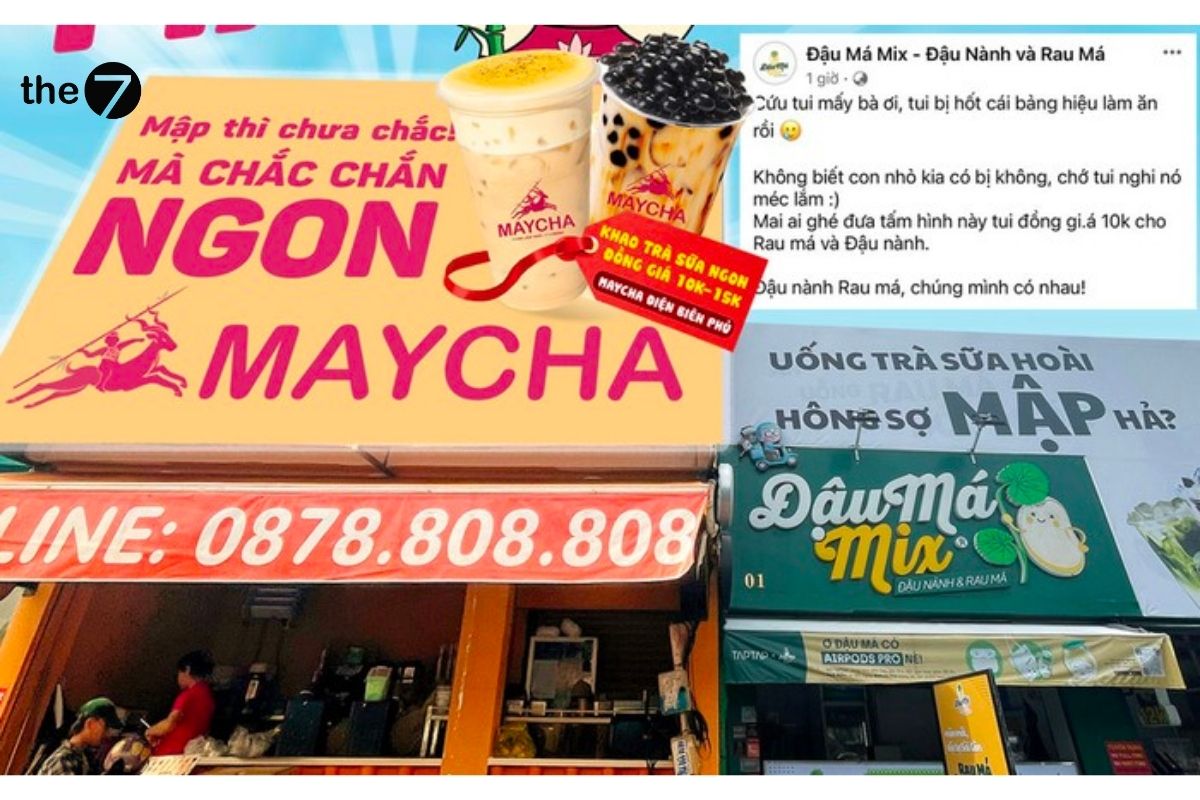
This strategy always focuses on activities aimed at competing with rivals in the market. When carrying out competitive strategies, your company needs to identify its own position and that of its competitors in order to come up with the most optimal plan and manage the strategy effectively.
- If your company ranks above competitors, you should set the goal of maintaining that position.
- If competitors rank above your business, focus on building competitive advantage and expanding into the market.
In some cases, this Marketing strategy can also have a negative effect on the company. That’s why, before starting a campaign, you need to thoroughly research the competitor landscape as well as consumers to be on the safe side.
Customer Loyalty Marketing Strategy
This Marketing strategy is built to target loyal customers, aiming to maintain consumer loyalty. This is an effective marketing strategy that helps your business win back customers who have left for competitors’ services, while also retaining users through attentive service and guaranteed quality.
There are many ways to carry out a customer loyalty Marketing strategy:
- Loyalty program: Rewarding customers when they purchase regularly.
- Referral program: Encouraging customers to refer the brand to others.
- Customer care program: Providing the best possible customer service.
- Personalizing the customer experience: Delivering a shopping experience suited to each customer’s needs.
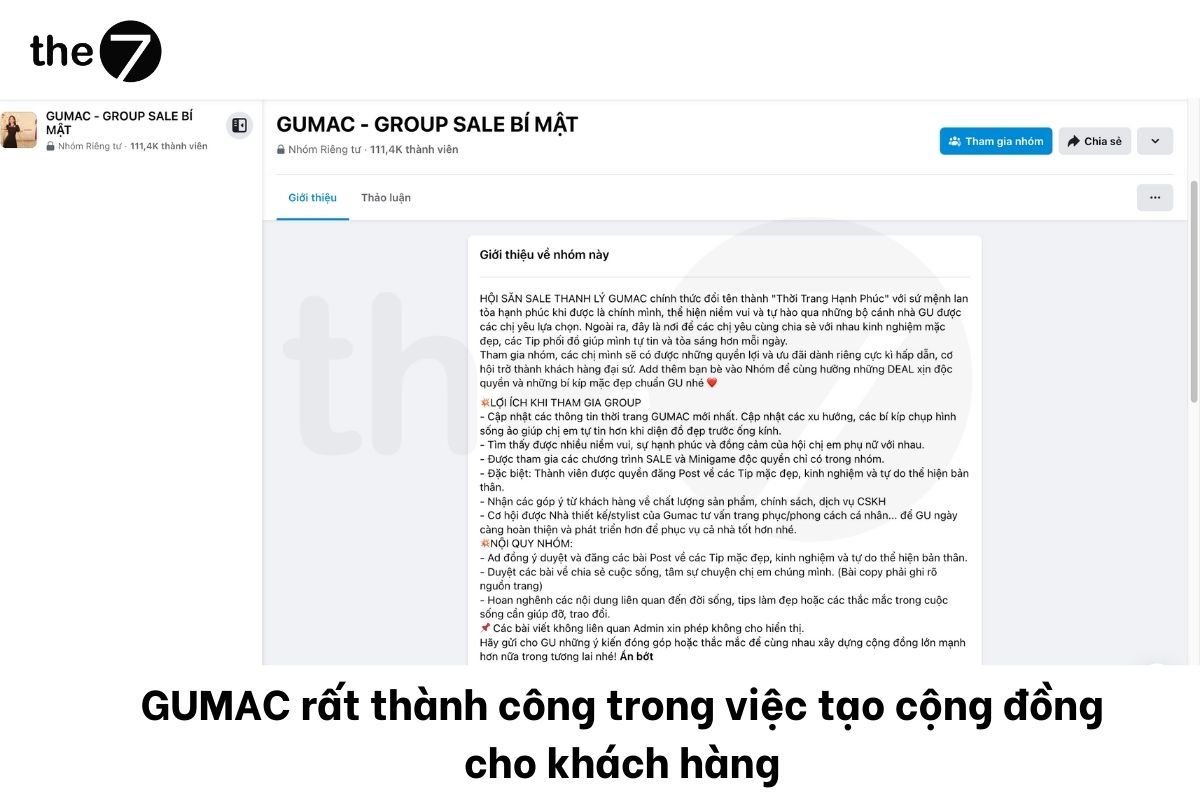
- Building a customer community: Creating a community where customers can interact with one another and with the brand.
Direct Marketing Strategy
Direct marketing (Direct Marketing) is a strategy aimed at reaching target customers directly and effectively. The process of engaging with consumers gives a company a clearer sense of the strengths it should build on and the weaknesses it needs to improve, and helps build the business’s brand image with the public.
There are many ways to carry out a direct marketing strategy:
- Email marketing: Sending promotional emails to target customers.
- Telemarketing: Making sales calls to target customers.
- Direct mail: Sending mail directly to target customers.
- Online advertising: Advertising products/services on online channels such as Google Ads, Facebook Ads, etc.
- Word-of-mouth marketing: Encouraging customers to refer the brand to others.
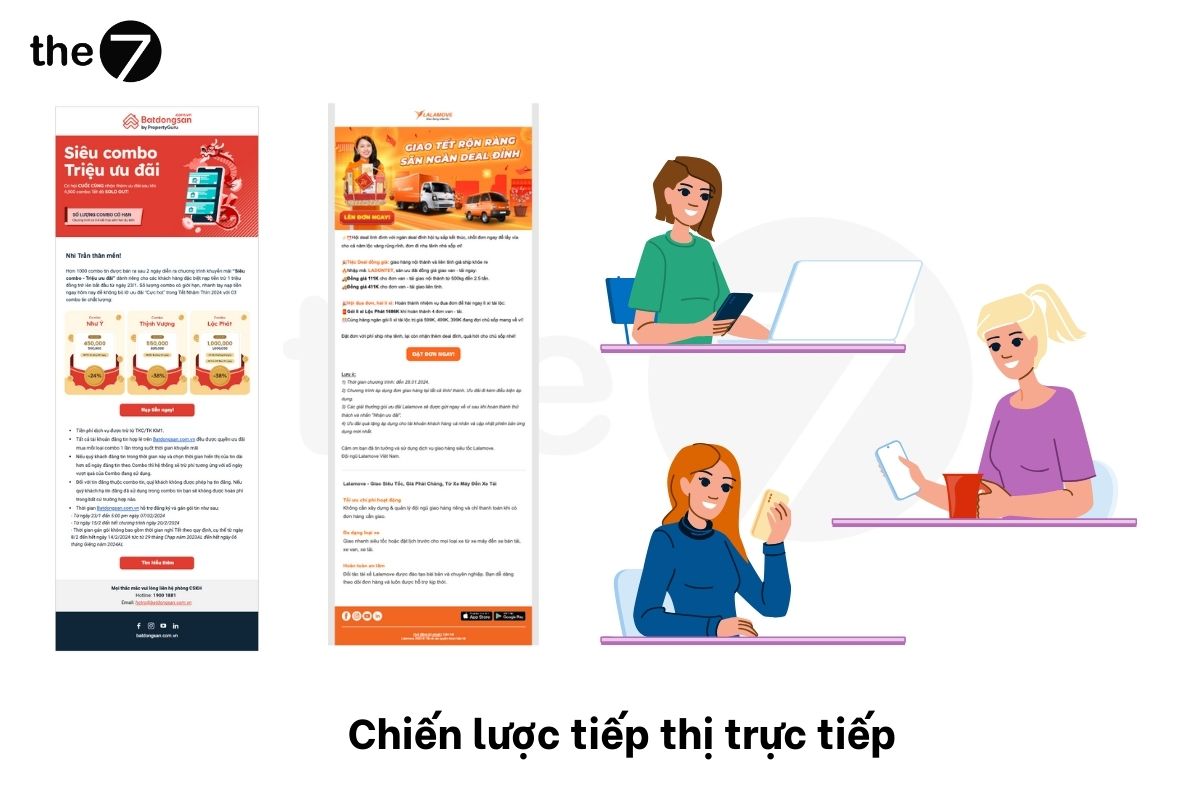
Digital Marketing Strategy
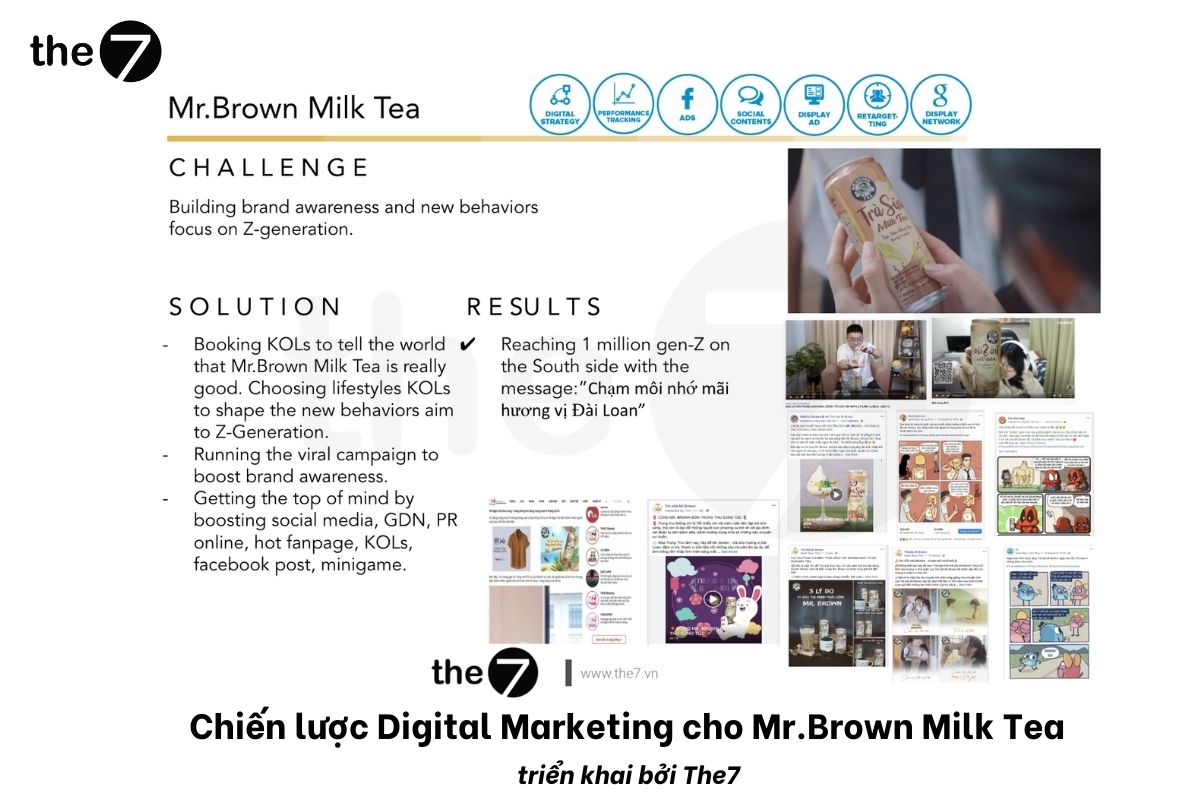
Digital Marketing Strategy is increasingly becoming a popular choice for businesses thanks to its ability to leverage a wide range of factors on the internet to optimize communication effectiveness. This strategy focuses on attracting target audiences by developing engaging content and using social media and other digital tools, in order to increase the chances of converting potential customers into actual customers.
To achieve success, a Digital Marketing strategy needs to be planned comprehensively, starting with clearly defining objectives, followed by detailed and appropriate execution steps. An important part of this process is identifying metrics (KPIs) to measure the effectiveness of activities, allowing businesses to adjust or optimize these metrics in a timely manner, ensuring the Digital Marketing strategy achieves the best possible results.
What Are the Basic Components of a Marketing Strategy?
To better understand the definition of a Marketing strategy, we need to have a clear grasp of its basic components. So what does a Marketing strategy consist of?
The basic Marketing strategies include target market, business activities, value positioning, objectives and engagement. Specifically:
Target Market
This is the focal point of every marketing plan and activity. Before proposing a Marketing strategy, a company needs to clearly define its target market. The better the target market is understood, the higher the chance of success for the business’s marketing strategies.
Understanding the drivers, barriers and challenges in consumers’ purchasing decisions will help operate Marketing strategies more effectively, minimizing unnecessary risk and increasing the likelihood of success.

Business Activities
This is one of the most effective Marketing strategies today. Whatever service or product a company deals in, the marketing strategy will always be geared toward the best possible solutions for consumers. A Marketing strategy helps a company build an overall picture of the outreach process, while also changing perceptions and demonstrating the value of the products/services the company brings to customers.

Value Positioning
Regardless of the field a company operates in, every company faces fierce competition. Helping a business differentiate itself from competitors is an important purpose of a Marketing campaign. In other words, this campaign helps a business assert its value and influence in the market.

>>> You can analyze your business’s strengths, weaknesses, opportunities and threats using the SWOT matrix.
Marketing Strategy Objectives Aligned With Business Strategy
A company needs to ensure alignment between its Marketing objectives and its overall business strategy. When these elements are aligned, the company can identify and focus on specific outreach activities, which raises the completion rate of its goals. Moreover, accurately defining marketing objectives is also used as a benchmark for evaluating the success of marketing activities.

Engagement
This is one of the strategies within Marketing that helps a business engage with communication channels and interact with its target market. These communication channels can operate online or offline.
Building a detailed, specific and clear marketing strategy helps a company orient its budget and resource planning. These strategies will then be operated toward the right objectives, the right audience and with real effectiveness.
A Guide to the 7 Steps for Building a Proper Marketing Strategy
Below is how to build a marketing strategy in 7 steps:
Step 1: Clearly Define Your Marketing Objectives
A Marketing objective plays an extremely important role, serving as the guiding compass for all of a business’s marketing activities. Objectives need to be clearly defined, specific and measurable in order to ensure the strategy’s effectiveness and success.
Below are some common objectives of a marketing strategy:
- Increase brand awareness: Help target customers become aware of the business’s brand and products/services.
- Generate leads: Attract people who are likely to buy and turn them into potential customers.
- Develop the brand: Maintain the brand’s position in the industry, and increase its credibility and value.
- Increase value for customers: Deliver a better experience for customers, increasing their satisfaction and loyalty.
- Increase revenue: Encourage customers to buy, boosting revenue and profit for the business.

To ensure your objectives are achievable, The7 recommends setting them using the SMART model. Applying this model will ensure your objectives are:
- S – Specific: Objectives need to be clearly defined, specific and easy to understand. For example, instead of setting the goal “Increase brand awareness,” set the goal “Increase brand awareness by 50% within 6 months.”
- M – Measurable: Objectives need to be measurable so you can track progress and evaluate effectiveness. For example, you can use metrics such as website traffic rate, social media engagement, etc.
- A – Achievable: Objectives need to be set realistically and achievably based on the business’s resources and capabilities. Setting the bar too high can lead to disappointment and discouragement.
- R – Relevant: Objectives need to align with the business’s overall business goals and be relevant to the needs of the target market.
- T – Time-bound: Objectives need a specific deadline so you can focus your efforts and track implementation progress.
Examples of Marketing objectives following the SMART model:
- Increase brand awareness to 300,000 people within 6 months.
- Generate 10,000 leads in the first quarter.
- Increase the purchase conversion rate to 10% this year.

Marketing objectives need to be aligned and ordered by level of importance
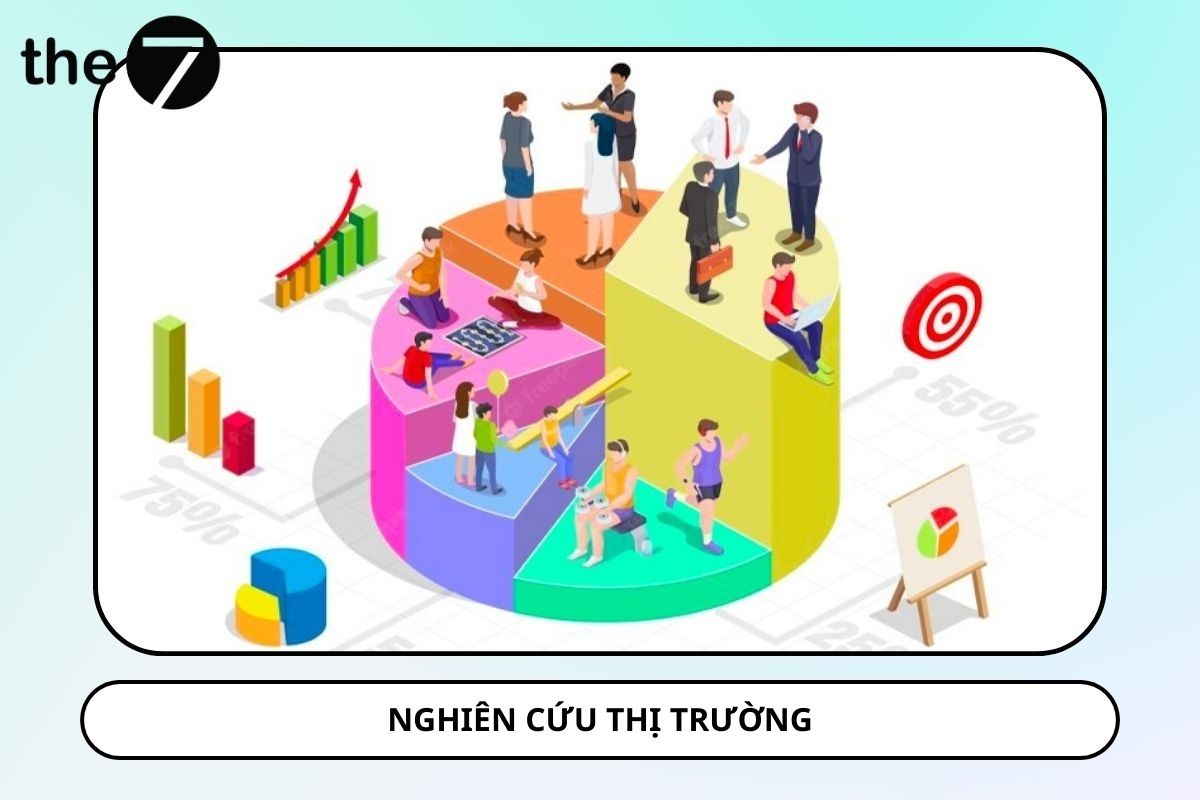
Step 2: Market Research
Market research is an essential part of building an effective Marketing strategy. It helps a business gather important information about the target market, including:
- Market size: The size of the market, measured by revenue or number of customers.
- Growth rate: How quickly or slowly the market is developing.
- Social trends: Changes in consumer trends and behavior.
- Demographics: The population characteristics of the target market, such as age, gender, income, education level, etc.
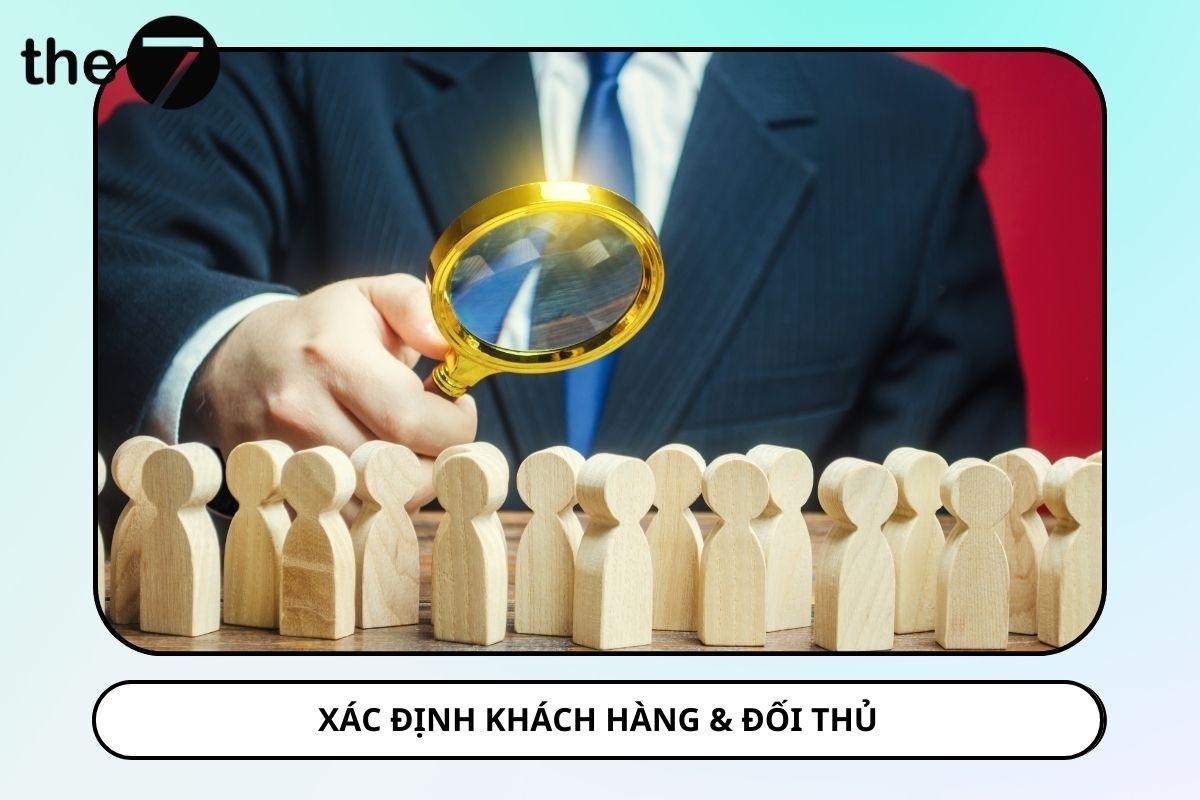
Step 3: Define Buyer Personas & Competitors
Researching your target customers is an important step in building an effective Marketing strategy. Businesses need to clearly understand the needs, wants and behavior of their target customers in order to offer suitable products/services and attract them.
Analyzing competitors is when a business needs to clearly understand the strengths, weaknesses, strategies and activities of its competitors in order to build its own competitive advantage.
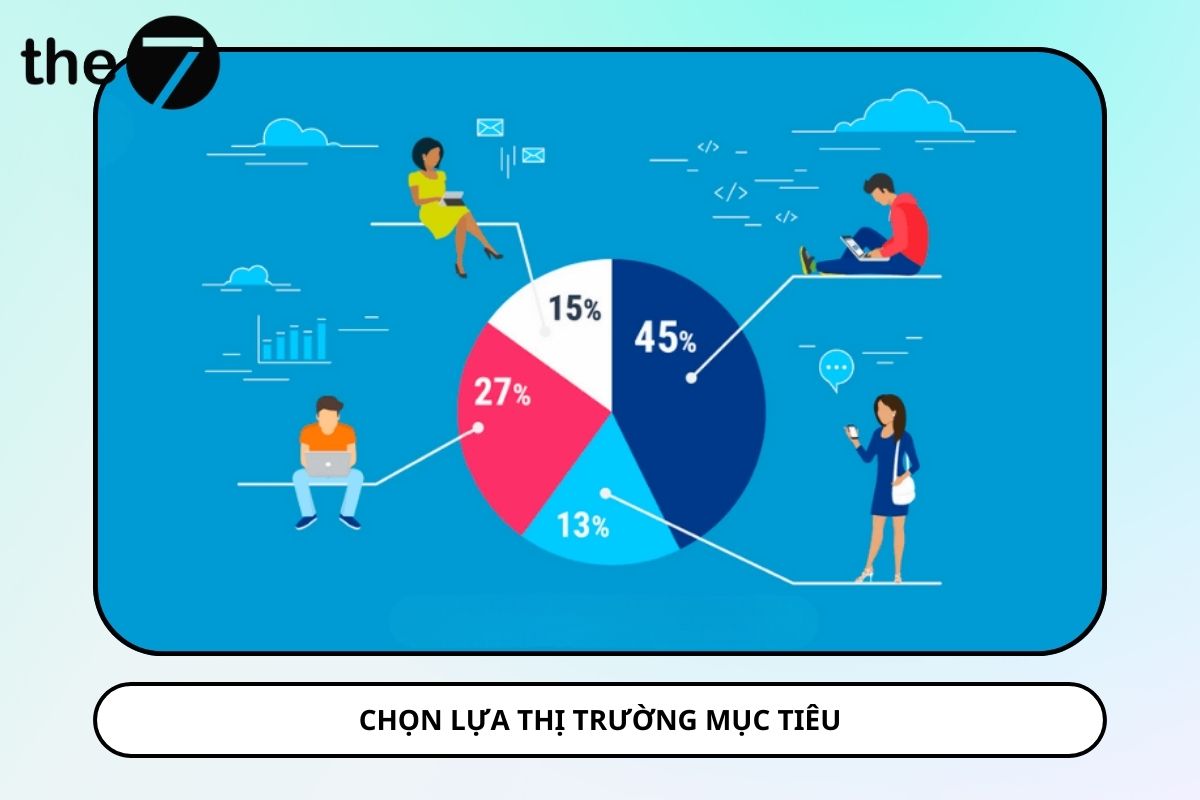
Step 4: Choosing Your Target Market
To evaluate and choose a target market, businesses should use the Directional Policy Matrix (DPM). Choosing a target market means selecting the groups of potential consumers for the business’s new product/service. If the market the business has chosen already has competing products, your company needs to position the service it plans to roll out against those competing services.
Step 5: Building Your Marketing Strategy
The strategy consists of two main activities:
- Setting the message:
- Define the core message the business wants to convey to customers.
- The message needs to be:
- Clear: Easy to understand and easy to remember.
- Concise: Short and to the point.
- Engaging: Making an impression and capturing customers’ attention.
- Persuasive: Driving customers to purchase.
- Choosing communication channels:
- Identify the appropriate communication channels for reaching target customers.
- Common communication channels include:
- Traditional media channels: Newspaper, television, radio advertising, etc.
- Online media channels: Google Ads, Facebook Ads, SEO, Email Marketing, etc.
- Social media channels: Facebook, Instagram, Youtube, etc.
Choosing communication channels should be based on:
- Marketing objectives: What goal does the business want to achieve through the Marketing campaign.
- Target market: Who is the business’s target customer.
- Marketing budget: How much budget the business has for the Marketing campaign.
For example:
- A business wanting to increase brand awareness might choose traditional media channels such as newspaper or television advertising.
- A business wanting to generate leads might choose online media channels such as Google Ads or Facebook Ads.
- A business wanting to increase customer engagement might choose social media channels such as Facebook or Instagram.

Step 6: Drawing Up Specific Implementation Plans
This plan includes the following items:
- Identify the tasks to be carried out:
- Break the Marketing strategy down into specific tasks.
- Identify who is responsible for each task.
- Identify a completion deadline for each task.
- Set a budget:
- Determine the budget needed for each task.
- Allocate the budget reasonably across marketing activities.
- Draw up an implementation timeline:
- Determine the start and end date for each task.
- Draw up a detailed implementation schedule for the Marketing campaign.

Step 7: Monitor, Evaluate & Optimize
Establish standards for managing the strategy and evaluating progress, while receiving feedback from consumers, drawing lessons, and organizing improvements and adjustments through:
- The objectives of each phase.
- The targets the business is striving for.
- Surveying consumer feedback on satisfaction levels….

Examples of Marketing Strategies From Famous Brands
Vinamilk
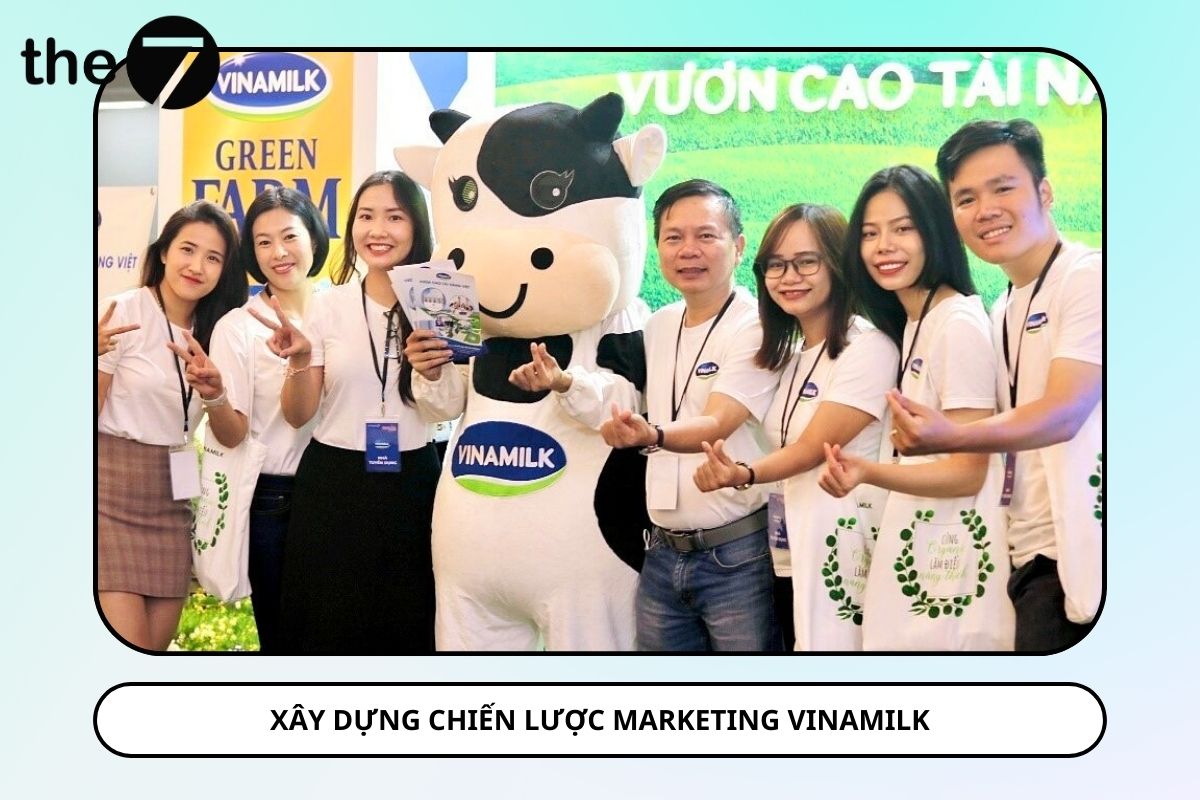
One of Vietnam’s leading brands, Vinamilk, has succeeded with a Marketing 4P strategy. This brand focuses on its product strategy by diversifying its product portfolio, including fresh milk, yogurt, milk powder and many other products.
Vinamilk’s Marketing strategy doesn’t just focus on product development – it’s also closely tied to expanding its distribution network. Vinamilk currently has more than 125,000 retail points nationwide, present in most supermarkets, grocery stores, convenience stores, and other distribution channels.
Chanel
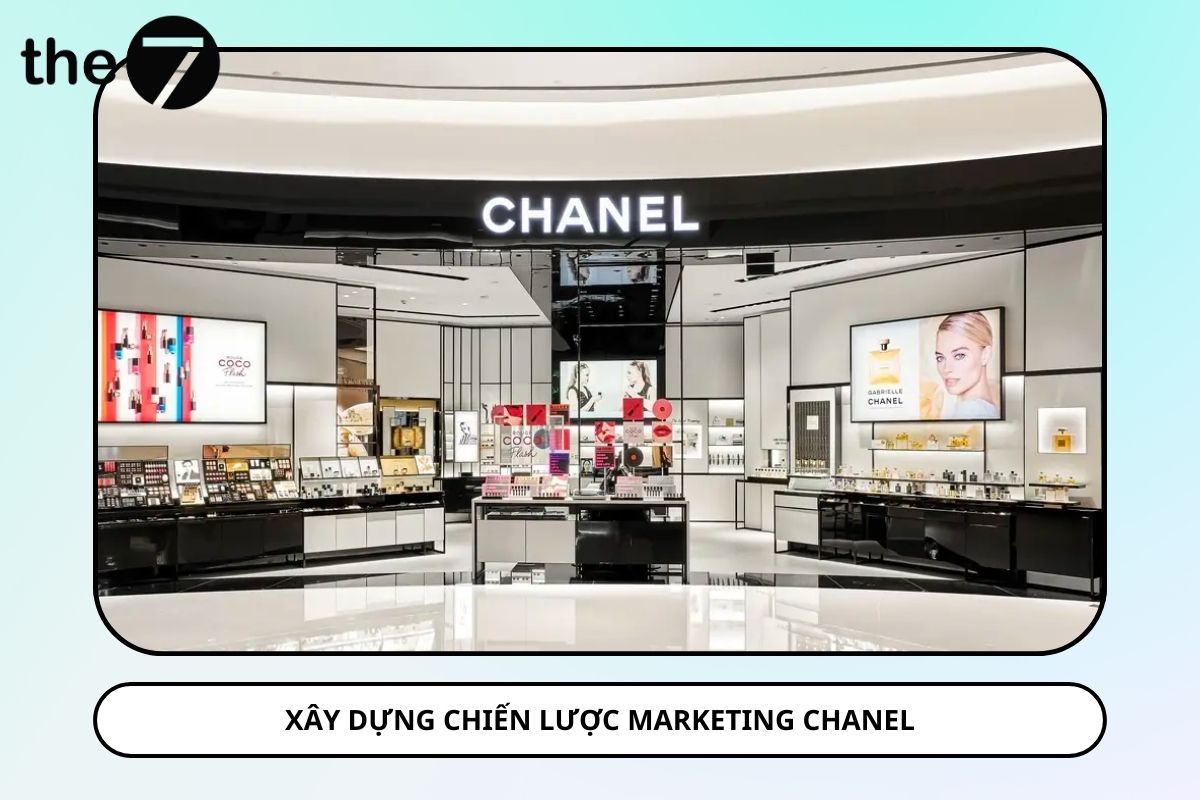
The world-class fashion brand Chanel is famous for its refined, luxurious and stylish products, and stands out especially for its unique and effective Marketing strategy. Specifically:
- No discounts: Chanel focuses on developing products suited to its target audience without using promotional programs to drive sales.
- No social media sales: They don’t use social media as a sales channel – instead, they focus on engaging with and caring for customers.
- Not concerned with competitors: Even when facing competitors with many competitive moves, Chanel still focuses on delivering its core values without paying attention to competitors’ competitive strategies.
Analyzing the Difference Between Marketing Strategy and Marketing Plan
There are two concepts that many people often confuse: “marketing strategy” and “marketing plan.” In reality, these two terms each carry their own meaning, since they’re geared toward different objectives within marketing.
Marketing Strategy
Marketing strategies are understood as the explanations and descriptions of the objectives a business wants to achieve. These strategies are always tightly bound to the business’s objectives. In other words, strategy and objectives need to go hand in hand.
Strategies are set in order to solve the company’s problems, wants and needs. Or they can also involve leveraging the customs and habits of the target audience in order to achieve the stated purpose.

Marketing Plan
A marketing plan is the set of methods and actions a business needs to take in order to achieve its objectives. A marketing plan is like a map that provides the directions you need in order to get from one point to another along the road to your goal.
Example: A new energy drink company conducts extensive research and identifies basketball players as its ideal customers. The company chooses a 4P Marketing Mix strategy as follows:
- Product: Develop an energy drink line with a flavor suited to basketball players’ tastes.
- Price: Competitive pricing compared with other energy drink products on the market.
- Place: Sell the product at sporting goods stores, gyms, basketball courts, etc.
- Promotion: Sponsor basketball tournaments, organize promotional activities for basketball players, etc.
Based on this strategy, the company begins drawing up a detailed Marketing plan. Through research & analysis, the company picks out 4 Marketing channels suited to its potential customer audience: Instagram, Website, Email Marketing, and Google Ads advertising.
From there, the company arrives at more detailed work items to ensure the stated objectives are met, such as:
- Partnering with basketball Influencers to promote the brand
- Partnering with Tiktok KOLs/KOCs to create videos about the product
- Partnering with The7 to distribute ads across Social channels and paid channels such as Google, etc.
Learn more about other Marketing strategies:
- What is Marketing Mix strategy?
An effective marketing strategy is measured by the purpose the business wants to achieve, such as reach, revenue, engagement, etc. To ensure the strategy is operated and managed effectively, a company needs clear direction, staying closely aligned with specific objectives, while also preparing contingency plans for adverse situations.
We hope this article has helped you understand what a Marketing strategy is, the types of Marketing strategy, and how to shape your own plan. Connect with The7 today to get Marketing consulting .

Nguyễn Đình
Bảo




As CEO of The7, I am committed to sharing practical, useful knowledge with every reader. Every article on The7 is based on my 7 years of hands-on experience in marketing — Facebook advertising, LinkedIn advertising, Google advertising, and marketing strategy. I hope you take away plenty of insight from these posts and apply it successfully in practice.
Related Articles
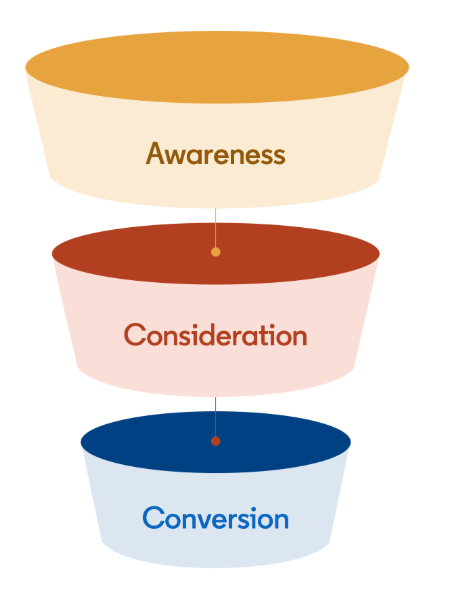
Building a Full-Funnel Content Marketing Strategy on LinkedIn
Table of Contents Toggle Why Build Content Marketing for the Full Marketing Funnel? (Why Full-Funnel Content Marketing?)Creating Your Strategy (Creating Your Strategy)Implementing Your Content Strategy (Rolling out your content strategy)Summary...

Designing Creative Content for LinkedIn
Table of Contents Toggle Why Is Good Creative Content So Important? (Why is Good Creative Important?)Key Components of Creative Design (the core elements of creative design)Summary (summary) Why Is Good...
Building an Organic Business Presence on LinkedIn With a LinkedIn Page
Table of Contents Toggle Why Have a LinkedIn Page?Establishing Your LinkedIn PageKeeping Your LinkedIn Page ActiveThe Measure of SuccessSummary About LinkedIn Page (Summary) Why Have a LinkedIn Page? For a...
6 Best LinkedIn Marketing Strategies for B2B in 2026
Table of Contents Toggle LinkedIn 2026: Where B2B Decisions Get MadeStrategy #1 – Why Is LinkedIn the Best B2B Marketing Channel Today?1. Decision-makers are concentrated here2. Users are in work...

7 Social Media Trends for 2026: The Era of Real Value, Real Conversion, and Real People
Table of Contents Toggle Social media is entering the biggest restructuring of the decadeTrend 1: Why is buying directly in-app becoming the new standard for 2026? (On-Platform Conversion)What should businesses...

What Is TikTok Marketing? Effective TikTok Marketing Strategies
TikTok has been topping the global rankings of the most downloaded and most visited apps. That makes it a gold mine for marketers who love creativity. In this article, The7...