


What Is Insight? How to Identify Customer Insights Effectively in 2024

You have probably heard the phrase “customer insight” at least once, so what is an insight and how important is it to running a business? Join The7 as we explore what insight means in marketing and how to identify your customers’ insights so your business can perform more effectively, in the article below.
What Is Insight?
Insight is a term for a deep, inner understanding of a person, based on the causes behind their actions in a specific situation. Through observing, tracking, analyzing and evaluating over a certain period of time, you can identify the underlying nature of a person.

Customer Insight in marketing is widely used to describe an unspoken truth: a secret, a need or a desire buried deep in a customer’s mind that can influence and drive their buying behavior.
Everyone carries insights in their subconscious, but it is not easy for a business to understand customer insights accurately. Some people hide what they really think, while others don’t clearly know their own insights, which is why marketing’s job is to prompt customers to think about them.
That is why identifying insights correctly and clearly is so important: it helps a business set its direction and run effective marketing activities. A good insight makes customers feel interested, sparks their curiosity and makes them want to try the product. As a result, the marketing team can build suitable campaigns that increase the business’s revenue.
Key Characteristics of Insight
Insight has some basic characteristics, such as:
- First: An insight is not an obvious fact like the Earth being round. It is something everyone knows but few people notice. That is why observing and tracking consumer behavior is critically important for finding customer insights. To uncover this unspoken truth, you need to understand the reasons and motivations behind consumers’ behavior. For example, the reason more people shop through online sales channels this year than last year is the pandemic, as consumers don’t want to leave their homes.
- Second: There are many different data sources for identifying the right insight. The human mind is complex and hard to read, so to understand customer psychology you can’t rely on their personal data alone. You also need to draw on other data, such as in-depth customer interviews, research into social media comments, data from forums, quantitative surveys and more. From there, you turn the data into something useful and put it to work effectively so that insight becomes action.
- Third: A business can turn an insight into real customer action. An insight doesn’t just deliver the content of a message; it is also persuasive enough to influence customers’ minds and prompt them to buy and try the product.

Types of Customer Insight Businesses Commonly Use
You can’t rely on a single type of data. To find an accurate Customer Insight, you need to combine multiple data sources, metrics and pieces of information of different kinds, for example:
Product Purchase Insight
Consumers’ buying trends are among the most important factors for creating effective, cost-saving sales and marketing strategies. To understand these trends, a business needs to look at what makes its product special, what fits customers’ needs right now, which features customers want from the product, and so on.
Once that is clear, the business can pinpoint the real need and create suitable communication content. This brings advantages such as:
- Identifying what makes your product or service stand out, which is also the reason customers should choose it.
- Comparing which products sell well and should be pushed, and which sell poorly and should be scaled back.
- Tracking changes or sudden spikes in demand for a product during a given period.

Product or Process Information Insight
This is the feedback customers give a business about its products, services or processes. It helps the business develop its products, improve and upgrade features and services, and optimize its workflow to deliver the most satisfying experience to customers.
Having insights about product or process information helps a business to:
- Fix and resolve outstanding problems customers run into with a service, product or process, and so deliver a better-quality experience.
- Identify the causes and reasons behind customer dissatisfaction and resolve them thoroughly.
- Use feedback to build better new products.
- Determine the timeframe of the challenge.
Social and Demographic Insight
Social demographic data is also considered a “touchpoint” that makes it easier to reach customers and quickly place them into your target customer segments. This data is collected from social listening tools, social media platforms, media channels and more, and it outlines customers’ gender, age, occupation, location and income level. From there, the business can place them into the customer segments it has already created.

Interest and Lifestyle Insight
Data on personal interests and lifestyle also helps a business adjust its direction, communication strategy and brand image to fit the preferences of its target customers.
With detailed insights into interests and lifestyle, a business can create new products that match those preferences, easily attract its target customers and turn them into loyal customers of the brand.
>>> See more: Discover young people’s insights (Gen Z) – the key customer audience of the future
Step-by-Step Process for Identifying Customer Insights Effectively
To identify customer insights, follow the detailed steps The7 outlines below:
Define Your Business Goals
This is the first step, and it sets the path and direction your business will follow in the long term. Is your goal for the upcoming communications campaign to expand into a new market, increase brand awareness, or introduce a new product? The more detailed your goals, the clearer your plan will be, and the more cost and effort you will save.
Once your goals are set, you need a professional team to carry out the plan. The team will help you identify insights by collecting data, then processing and analyzing customer information.

Identify the Customers You Want to Reach
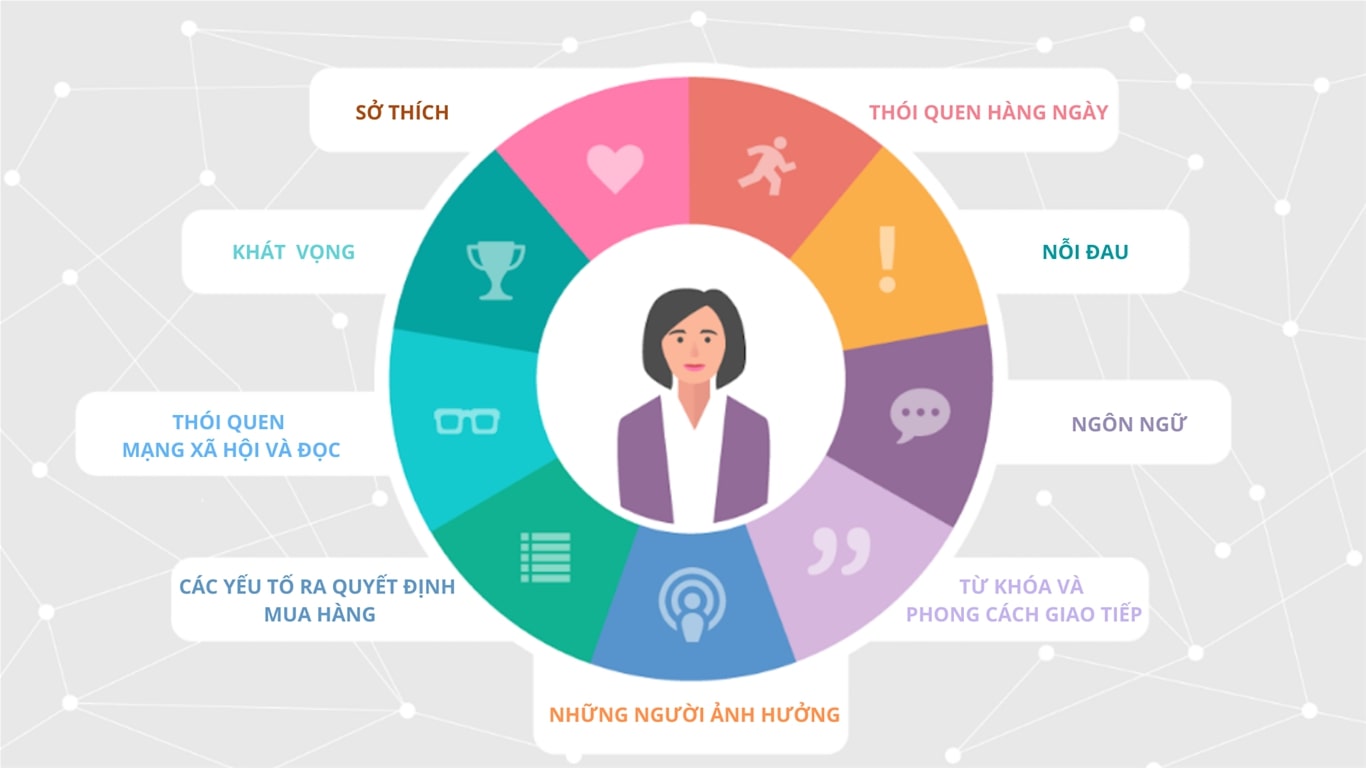
The next step is to picture who your target customers are: which segment they belong to, which of your products suits them, their buying motivations and needs, and the challenges and difficulties involved in choosing this customer segment.
To do that, you need to outline your target customers’ information, such as name, age, gender, location, occupation, interests, personality and lifestyle.
Collect Customer Data
This is the key step for finding out what your customer insight is. You can collect material from many sources, mainly from existing sources or from the market and competitors:
Collecting from existing sources
Data is collected from the many channels the business manages, such as:
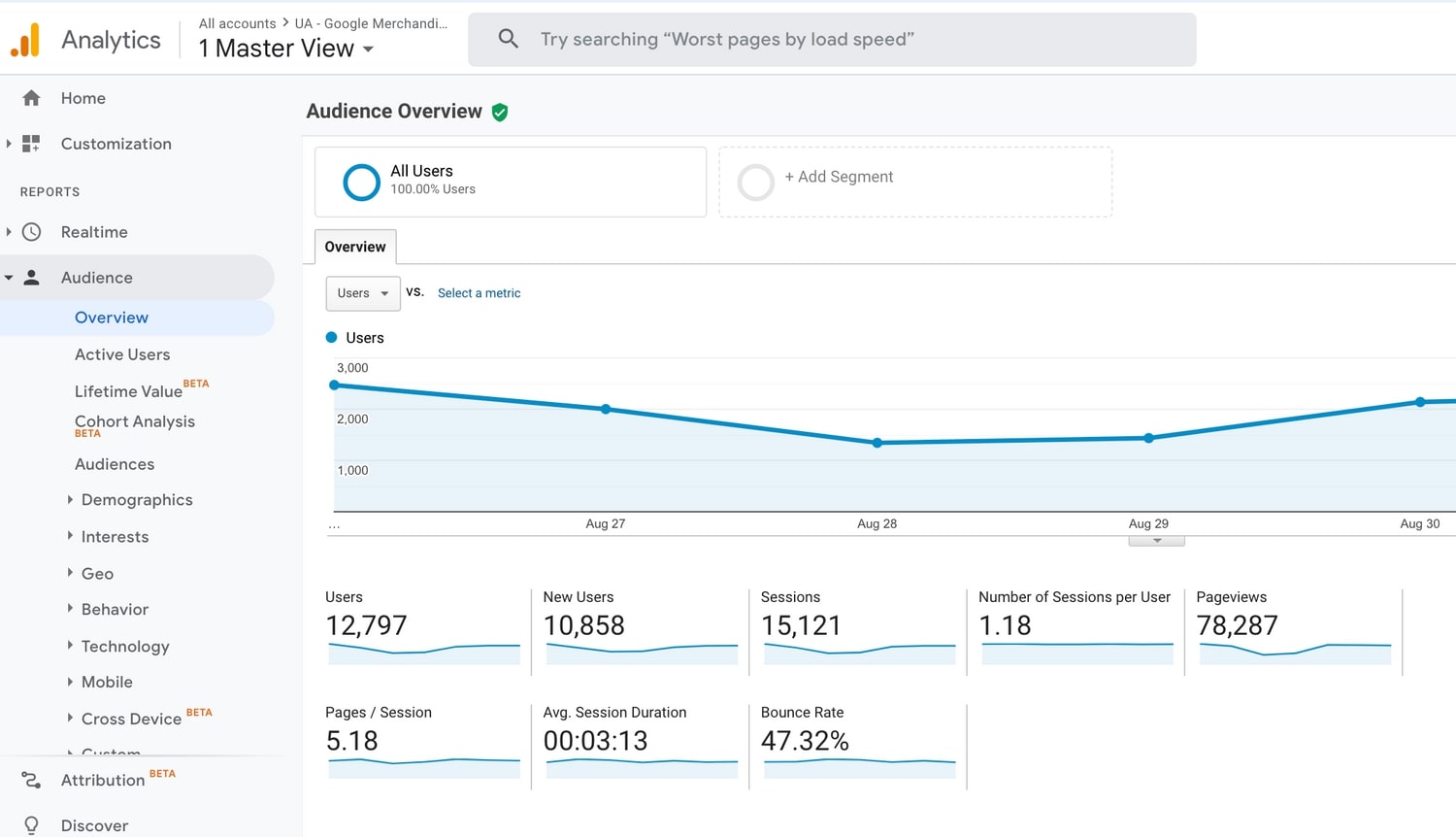
- On your website: Website metrics such as time on site, sessions, bounce rate and more.
- On social media: Followers, likes, shares, comments and more.
- In apps: Number of downloads, screen views, time on screen and more.
- By email: Number of people who open emails, click links in emails, abuse/spam reports and more.
- By SMS: Number of messages sent, link open rate, phone number lists and more.
- From search/display ads: Impressions, clicks, conversions, CTR, CR and more.
- Sales channels: Information from CRM software, order tracking data, lists of best-selling items and more.
- Customer care: Lists of customers who call the hotline, chat on the website, interact on social media and more.
- POS: Data from in-person points of sale.
- Reviews/Feedback: Customer responses and reviews about products, services and more.

Collecting from the market and competitors
Besides your own sources, information from the market and from competitors in your industry also helps you study the market closely and quickly update your business strategy to match. At the same time, low-quality and duplicated data is becoming more and more common, so businesses need to pay extra attention to this if they want to use data effectively.
Analyze Customer Data to Find Insights
Once you have the data, the next step is to analyze it to find valuable information and consolidate what you know about your users, which gives you your customer insights.
- Customer research: From a huge store of data, segment and filter out the high-quality data to find out why different customers choose to buy, what they have in common, and to predict their future buying behavior.
- Audience segmentation: Finding what customers have in common helps you divide your customer segments into suitable categories based on traits such as habits, spending level, needs and age. As a result, communication strategies can be built to fit and meet the exact needs of the target group.

Build a Strategy From the Insights You Collected
Planning every marketing activity in detail and taking action based on the insights you gathered helps you get closer to your original goals quickly.
Strategic actions will differ depending on each industry, company size, business timing, and market conditions and trends. A business can use customer insights to plan around messaging models such as:
The Truth – Tension – Motivation model:
- Truth: A truth that customers all recognize.
- Tension: A conflict that many users run into.
- Motivation: Stirring customers’ deepest drive and desire.
The 3C model:
- Category Truth: The nature of this product category.
- Company Truth (Brand Truth): What makes the product stand out in the market, from an industry insider’s point of view.
- Consumer Truth: Solving the customer’s problem with that standout feature.
Methods and Tools That Help You Identify Customer Insights
To work out what your insight is, you need the help of several tools, including:
Methods for Identifying Customer Insights
There are many methods you can choose from to find customer insights. You can also combine several methods to get the most complete results:
- Qualitative interviews to gather basic social demographic information, so you can quickly outline the audiences to focus on.
- In-depth interviews to understand customer psychology. Listen to what customers share and how they feel when using your service, and use that to identify users’ current needs and future behavior.
- Direct observation of customer behavior to get the most objective and authentic view of their emotions, how they use your product and which products they love. Use it to improve, develop or upgrade your services and products.
- Observing customer behavior on social media, on websites and in media coverage. This helps you assess customers’ interests, habits and needs for using your product.
- Surveys: Short surveys by email, media channels, social media and more help you connect with customers, stay in touch and receive their personal feedback and impressions.
- Presenting your product to customers at trade events to interact with them and understand them better. It also lets you observe competitors, along with their products and projects.
- Evaluating competitors in your industry in every respect to find their strengths and weaknesses compared with your business. From there, choose where to invest and grow, position your distribution channels and determine your standing in the market.

Tools for Identifying Customer Insights
Here are some tools that many organizations have used easily and successfully to find customer insights:
Google Analytics
This tool has a huge user base worldwide. It not only helps you analyze demographics but also automatically compares the content visitors reach on your website. Its user behavior reports also show you users’ favorite content, how long they view it, popular pages and the topics customers care about.
Querying Google Search Console
This tool reports in detail on impressions, clicks, click-through rate and position for the keywords users search for.
Buzzsumo, Ahrefs and Semrush
These tools help you collect data on trending keywords and content, as well as the questions users care about right now.
Google Trends
This is how you identify your target customers’ interests based on popular topics and the issues they care about, so you can create content that meets those needs.
YouTube Analytics
The metrics YouTube Analytics reports provide plenty of information, such as location, age, gender, click-through rate, traffic, watch time, likes, channel subscriptions and more.
Social Mention
This tool provides real-time analysis of social media. With it, you can track how many times customers mention your brand on every platform.
Facebook Audience Insights
This tool compiles a wide range of demographic information, such as age, gender, occupation, relationship status, lifestyle, Facebook usage behavior, likes, purchasing activity and more.
Using the methods and tools above correctly will make your business activities easier. However, to get the most out of what these tools offer, choose a professional team like The7 to help your business build the most effective and cost-efficient marketing strategy.
>>> You can also refer to these articles:
- What Is Marketing? The 13 Most Popular Types of Marketing in 2023
- Integrated Marketing: What It Is, Its Role and How to Plan It in 2023
- 5 Core Emotional Factors in Marketing
- What Is a Customer Profile? 5 Ways to Create One
- Growth Hacking and Growth Marketing
- What Is Word of Mouth Marketing? Benefits of WOM
-
Applying Psychology in Marketing
How to Identify a Good Insight Using the 4R Principle
The 4R principle is widely used in marketing as a yardstick for determining what an insight is and whether it fits your business.
Reality (the truth)
Truth comes first. The product you offer customers must meet their needs precisely, touch their desires and solve their problem from their own point of view. In addition, the insight needs to reflect their buying motivation and the reason they choose the product.
Resonate (strikes a chord)
This means hitting the right psychological note with customers, so that the first time they see it they are impressed and remember the product or brand. A good insight must make customers feel that “this product was made for me.”
The message needs to be subtle, creative and speak directly to customers’ hearts, moving them from remembering you to actually buying.
Relevant (connected)
The next principle is that the insight must be relevant to the business’s marketing goals, business goals and vision. In other words, the insight should lead customers to real actions that fit the core values the business has built.
Reaction (response)
This asks whether the insight is fresh, unique and compelling enough to give you a competitive edge over rivals. A good insight can also stay with customers and shape their mindset for a long time, which is the goal many people have when they look up what an insight is.
With that, this article from The7 has given you the information on insight and on why insight matters. We hope you now understand what insight means and how to find the customer insights that suit your business activities.
Don’t hesitate to contact us when you need marketing services:

Nguyễn Đình
Bảo




As CEO of The7, I am committed to sharing practical, useful knowledge with every reader. Every article on The7 is based on my 7 years of hands-on experience in marketing — Facebook advertising, LinkedIn advertising, Google advertising, and marketing strategy. I hope you take away plenty of insight from these posts and apply it successfully in practice.
Related Articles
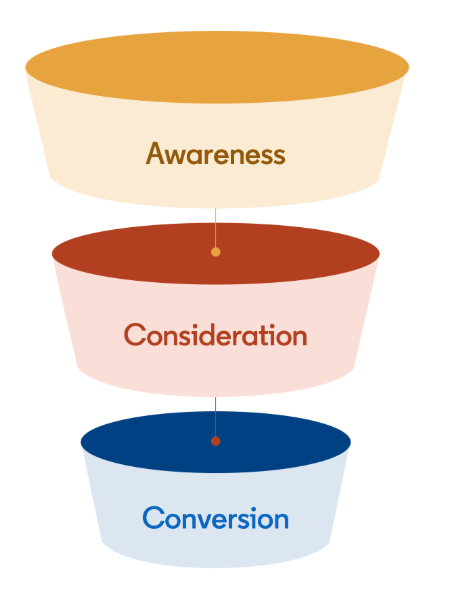
Building a Full-Funnel Content Marketing Strategy on LinkedIn
Table of Contents Toggle Why Build Content Marketing for the Full Marketing Funnel? (Why Full-Funnel Content Marketing?)Creating Your Strategy (Creating Your Strategy)Implementing Your Content Strategy (Rolling out your content strategy)Summary...
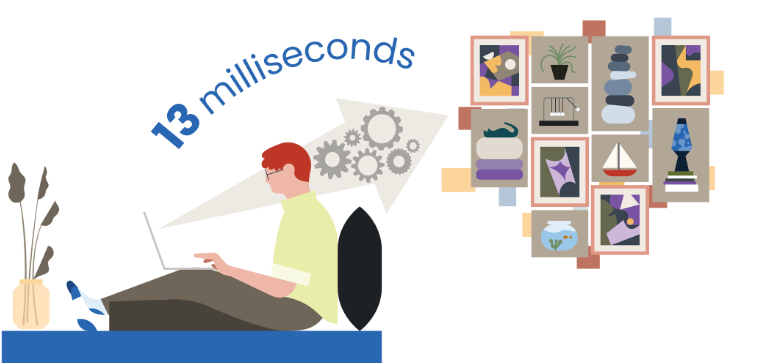
Designing Creative Content for LinkedIn
Table of Contents Toggle Why Is Good Creative Content So Important? (Why is Good Creative Important?)Key Components of Creative Design (the core elements of creative design)Summary (summary) Why Is Good...
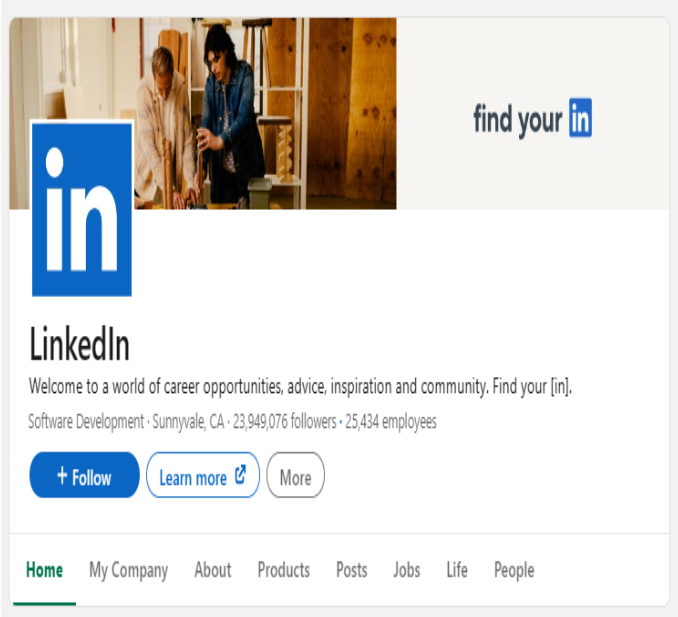
Building an Organic Business Presence on LinkedIn With a LinkedIn Page
Table of Contents Toggle Why Have a LinkedIn Page?Establishing Your LinkedIn PageKeeping Your LinkedIn Page ActiveThe Measure of SuccessSummary About LinkedIn Page (Summary) Why Have a LinkedIn Page? For a...
6 Best LinkedIn Marketing Strategies for B2B in 2026
Table of Contents Toggle LinkedIn 2026: Where B2B Decisions Get MadeStrategy #1 – Why Is LinkedIn the Best B2B Marketing Channel Today?1. Decision-makers are concentrated here2. Users are in work...
7 Social Media Trends for 2026: The Era of Real Value, Real Conversion, and Real People
Table of Contents Toggle Social media is entering the biggest restructuring of the decadeTrend 1: Why is buying directly in-app becoming the new standard for 2026? (On-Platform Conversion)What should businesses...
What Is TikTok Marketing? Effective TikTok Marketing Strategies
TikTok has been topping the global rankings of the most downloaded and most visited apps. That makes it a gold mine for marketers who love creativity. In this article, The7...